Treatment: Telepsychiatry
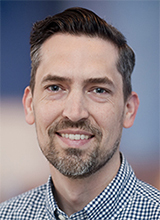
Douglas Russell
Dr. Russell’s professional interests include ADHD, integrated/collaborative care, prevention and complementary/integrative approaches to child and adolescent mental health. He takes a holistic approach to psychiatric well-being that extends beyond medications and psychotherapy to include other evidence-based practices shown to improve brain health including regular exercise, time in nature, supportive social interactions, mind-body activities, good nutrition and sleep hygiene.
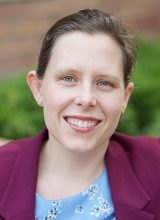
Julia Ruark
Personal Statement
I am a board certified psychiatrist and work at Fred Hutchinson Cancer Center. I am a Clinical Assistant Professor of Psychiatry and Behavioral Sciences at the University of Washington. I obtained a fellowship in consultation-liaison psychiatry, a specialty that focuses on providing psychiatric care for people with complex medical conditions. My primary clinical focus is people with cancer. I love my work. Being ill is a vulnerable time and my goal is to ease suffering and provide a sense of connection and understanding for all I work with. I believe in working collaboratively with patients and families. We work together to identify what the goals of treatment are. I have expertise in diagnosis, psychopharmacology and psychotherapy and adapt my recommendations to best serve the goals of the person before me. I am also passionate about education. I am the site director at Fred Hutch Cancer Center for our Psycho-oncology Fellowship Program. I supervise Cl fellows, addiction fellows, psychiatry residents and provide education to social workers and psychology trainees.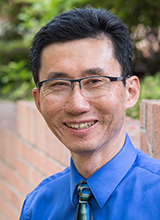
Jesse Fann
Personal Statement
I am a consultation-liaison psychiatrist and health services researcher in the Department of Psychiatry and Behavioral Sciences and Adjunct Professor in the Departments of Rehabilitation Medicine and Epidemiology. I am also Medical Director of the Department of Psychosocial Oncology at Fred Hutchinson Cancer Center. My research interests are in psychiatric epidemiology, health services research, psychiatric oncology, and neuropsychiatry. In my clinical practice, I use a comprehensive, multifaceted approach that may include medications or counseling to help patients achieve their goals. My primary interest is helping people who are coping with medical illness. I am particularly interested in developing better approaches to delivering person-centered psychiatric care to these populations.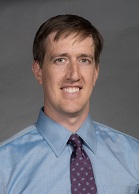
Mark Duncan
Personal Statement
I have pursued a career at the intersection of mental health and primary care, training in both family medicine and addiction psychiatry. I currently practice in various integrated care settings as a consulting psychiatrist and in the outpatient adult psychiatry clinic. I am the co-medical director for the University of Washington Psychiatry and Addiction Case Conference (UW PACC), a weekly online learning collaborative to help community providers across the state improve their psychiatric and addiction clinical skills. My area of interest is focused on improving addiction and psychiatric treatment to primary care settings. I also spend a significant amount of time training both family medicine and psychiatry trainees and fellows on integrated treatments for substance use disorders.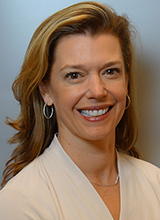
Emily H Trittschuh
Personal Statement
As a clinical neuropsychologist who has specialized in aging, I have over 20 years of experience in the field of geriatrics. My clinical work and research has been focused on the full continuum of cognitive aging – from neurodegenerative disease of varied etiologies to healthy brain aging into the 90s and beyond. I have been based at the VA Puget Health Care System since 2008. In this time, I have developed additional and complementary interests in the older adult Veteran who has PTSD, especially how this disorder can interfere with cognition and might contribute to decline and also in the area of reducing disparities in neuropsychological care for individuals who are transgender and gender diverse. Currently, I am the Associate Director for Education and Evaluation for the VISN 20 Geriatric Research Education and Clinical Center (GRECC) at VA Puget Sound. I am a Professor in the Department of Psychiatry. Provision of training for future geriatric care providers (MD, PhD, RN, SW, etc) is an important part of my personal mission. I also enjoy connecting with the older adult community through various events and at local senior centers.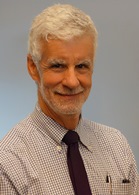
Mark Sullivan
Personal Statement
My clinical service and research focuses on the interaction of mental and physical illness, especially in patients with chronic pain. Much of my research in recent decades has focused on the risks of treating chronic pain with opioids. I have developed educational programs and outcome tracking tools to assist with opioid treatment of chronic pain. I have published a book about patient empowerment in chronic disease care, The Patient as Agent of Health and Health Care (Oxford, 2017). I have another book written with Jane Ballantyne forthcoming, The Right to Pain Relief and other deep roots of the opioid epidemic (Oxford, 2022).
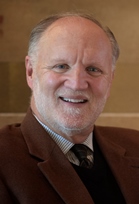
Richard C. Veith
Personal Statement
| I am a Seattle native who has spent my entire academic career at the University of Washington School of Medicine. I joined the faculty of the UW Department of Psychiatry and Behavioral Sciences in 1977 and was based at the Seattle VA Puget Sound Health Care System. I joined the Seattle-American Lake Geriatric Research, Education and Clinical Center (GRECC) in 1977 as a clinical investigator and later served as GRECC Director from 1987-1998. In 1998, I was appointed Chair of the Department of Psychiatry and Behavioral Sciences and held this position until February, 2014. I am certified by the American Board of Psychiatry and Neurology with Added Qualifications in Geriatric Psychiatry and am listed in America’s Top Doctors and Best Doctors in America. I am recipient of the 2005 American Academy of Child & Adolescent Psychiatry, Robert Cancro Academic Leadership Award: Best Chair. I have conducted extensive research on the treatment of depression in patients with heart disease and stroke and has published more than 140 scientific publications. I am active in community efforts to improve the quality of care for the seriously mentally ill and with my faculty colleagues am implementing regionally, nationally, and internationally innovative and highly effective models of care that integrate mental health care into primary care settings. I am working with medical schools and the health ministries in Vietnam and Cambodia to strengthen psychiatric education, expand the mental health workforce, and develop delivery systems for psychiatric care in those countries. |
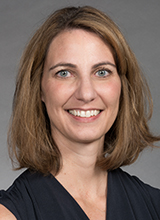
Jennifer Piel
Personal Statement
As a clinical and forensic psychiatrist, my professional roles include being the Director of the UW Center for Mental Health, Policy, and the Law; Associate Professor in the Department of Psychiatry; and a Staff Psychiatrist at the VA Puget Sound. I hold multiple board certifications: Psychiatry, Forensic Psychiatry, Brain Injury Medicine, and Sports and Performance Psychiatry. In addition to my medical training, I earned my law degree from the University of Washington. As a member of the American Academy of Psychiatry and the Law (AAPL), I serve on the Ethics, Research, and Resident Education Committees and I twice earned AAPL’s Young Investigator Award. I am the Legal Digest Editor for the Journal of the American Academy of Psychiatry and the Law. I have served as an expert witness or consultant in legal cases involving criminal and civil competencies; criminal responsibility; malpractice; personal injury; sexual and gender harassment; and fitness for duty, among others. I teach courses in forensic mental health at the University of Washington and speak locally and nationally on topics related to psychiatry and the law.