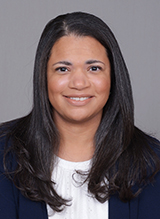
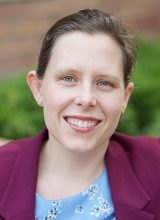
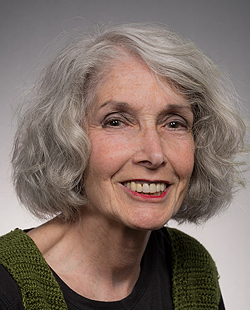
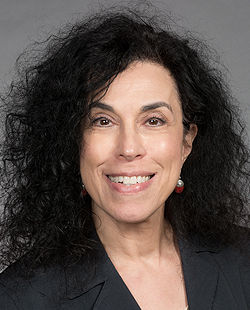
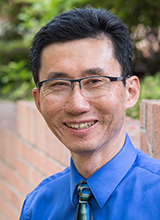
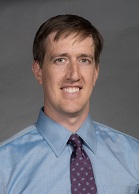
I am a clinical psychologist with the Veterans Health Administration (VHA). I research, teach, and practice telemedicine to expand access to evidence based care, particularly to underserved populations.
As a board-certified clinical health psychologist, I have primarily focused my clinical work on preventive medicine with special expertise in diabetes, weight management, and tobacco use cessation. I train clinicians in motivational interviewing and health coaching, and am currently a co-investigator on a research study examining an intervention with peer health coaches in the Veterans Health Administration (VHA). After nearly two decades of working in complex healthcare settings, like the VHA and serving in several leadership roles within and external to the VHA, I have grown a passion for supporting those who serve others and improving workplace well-being. I am an Associate Certified Coach and am enrolled in a Masters program in Leadership and Organizational Development. I coach leaders and individual contributors on their professional and personal goals, help teams work better together, engage clinics in identifying and implementing meaningful changes to improve workplace satisfaction.
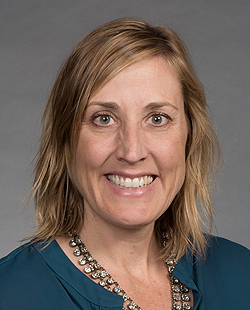
Alysha Thompson, PhD is the Clinical Director and attending psychologist on the Psychiatry and Behavioral Medicine Unit at Seattle Children’s Hospital and Associate Professor in the Department of Psychiatry and Behavioral Sciences at University of Washington. Prior to joining the staff and faculty at Seattle Children’s/UW, she was a staff psychologist on the Adolescent Inpatient Unit at Bradley Hospital and Clinical Assistant Professor in the Department of Psychiatry and Human Behavior at Brown University. She is an active participant in training future psychiatrists and psychologists and currently serves as Chair-Elect of the Acute, Intensive, and Residential Services Special Interest Group of Division 53 of the American Psychological Association, a national group of psychologists.
Dr. Thompson has authored multiple publications regarding inpatient psychiatric treatment for youth and has forged collaborations with psychiatrists and psychologists working in inpatient psychiatry and acute care around the country. Recently, she co-edited the Handbook of Evidence-Based Inpatient Mental Health Programs for Children and Adolescents. In addition, she is actively engaged in advocacy efforts regarding improvement the mental health care system for youth. She is passionate about providing quality services to youth experiencing severe mental health crises and has specific areas of expertise in working with youth with trauma histories and suicidality.
Dr. Thompson completed her graduate education at Suffolk University in Boston in clinical psychology with an emphasis in child and adolescent clinical psychology. She completed residency in pediatric psychology at Rush University Medical Center in Chicago and went on to complete a fellowship in clinical psychology with an emphasis in trauma in children and adolescents at the Trauma Center at Justice Resource Institute.
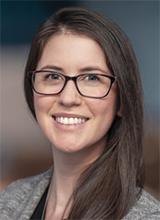
My clinical work and research are focused on helping youth with ADHD and their families be resilient and successful. Specifically, I am interested in creating and disseminating behavioral treatments for ADHD and disruptive behavior that are accessible and engaging for families. I enjoy consulting and training with providers in a variety of settings, including integrated primary care, to offer treatments that provide immediate help to their patients. My current research focuses on improving family relationships and health outcomes for youth with ADHD, including preventing risk behaviors and improving active and healthy lifestyles.
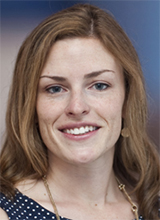
I am a board certified psychiatrist and work at Fred Hutchinson Cancer Center. I am a Clinical Assistant Professor of Psychiatry and Behavioral Sciences at the University of Washington. I obtained a fellowship in consultation-liaison psychiatry, a specialty that focuses on providing psychiatric care for people with complex medical conditions. My primary clinical focus is people with cancer.
I love my work. Being ill is a vulnerable time and my goal is to ease suffering and provide a sense of connection and understanding for all I work with. I believe in working collaboratively with patients and families. We work together to identify what the goals of treatment are. I have expertise in diagnosis, psychopharmacology and psychotherapy and adapt my recommendations to best serve the goals of the person before me.
I am also passionate about education. I am the site director at Fred Hutch Cancer Center for our Psycho-oncology Fellowship Program. I supervise Cl fellows, addiction fellows, psychiatry residents and provide education to social workers and psychology trainees.
My professional interests are in the area of behavioral medicine and health psychology, with particular interests in psychological aspects of chronic pain and illness. I also have a strong interest in psychology training and served as Training Director of the Psychology Internship Program at the UW Dept of Psychiatry and Behavioral Sciences from 2003-2013. I have also served as Secretary and member of the Executive Board of the American Pain Society.
I am a consultation-liaison psychiatrist and health services researcher in the Department of Psychiatry and Behavioral Sciences and Adjunct Professor in the Departments of Rehabilitation Medicine and Epidemiology. I am also Medical Director of the Department of Psychosocial Oncology at Fred Hutchinson Cancer Center.
My research interests are in psychiatric epidemiology, health services research, psychiatric oncology, and neuropsychiatry. In my clinical practice, I use a comprehensive, multifaceted approach that may include medications or counseling to help patients achieve their goals. My primary interest is helping people who are coping with medical illness. I am particularly interested in developing better approaches to delivering person-centered psychiatric care to these populations.
I have pursued a career at the intersection of mental health and primary care, training in both family medicine and addiction psychiatry. I currently practice in various integrated care settings as a consulting psychiatrist and in the outpatient adult psychiatry clinic. I am the co-medical director for the University of Washington Psychiatry and Addiction Case Conference (UW PACC), a weekly online learning collaborative to help community providers across the state improve their psychiatric and addiction clinical skills. My area of interest is focused on improving addiction and psychiatric treatment to primary care settings. I also spend a significant amount of time training both family medicine and psychiatry trainees and fellows on integrated treatments for substance use disorders.