Scholarly Expertise: Trauma
Jane Luterek
Personal Statement
Jane Luterek, PhD is a psychologist in the PTSD Outpatient Clinic and the Addictions Treatment Center focused primarily on serving women Veterans at the VA Puget Sound Healthcare System, Seattle Division. She is a Clinical Assistant Professor in the Department of Psychiatry and Behavioral Sciences at the University of Washington and is licensed in the State of Washington. Dr. Luterek’s research has focused on understanding the psychological sequelae of trauma and mechanisms of change in therapy associated with Alcohol Dependence and PTSD. She has advanced clinical training in the treatment of Veterans with trauma related psychological sequelae (e.g. substance use disorders, PTSD, mood disorders, borderline personality disorder) and draws from a contextual behavioral theoretical background. Dr. Luterek has expertise in Acceptance and Commitment Therapy, Prolonged Exposure, Dialectical Behavior Therapy, and Motivational Interviewing, which heavily inform her clinical practices.

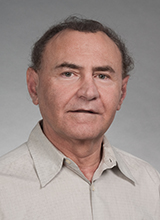
Douglas Zatzick
Personal Statement
Douglas Zatzick, M.D. is currently a professor in the Department of Psychiatry and Behavioral Sciences at University of Washington School of Medicine. Over the past two decades, he has developed a public health approach to trauma-focused research and clinical work that has emphasized clinical epidemiologic, functional outcome, and early intervention studies of posttraumatic stress disorder (PTSD) and related co-morbid conditions. From 2009-2012, he served as Chairperson of the National Institute of Mental Health, Services in Non-specialty settings (NIMH, SRNS) Study Section. He served on the congressionally mandated United States Institute of Medicine four-year ongoing assessment of PTSD treatment, and the World Health Organization PTSD Guideline Development Group. He has participated in disaster relief and early intervention efforts after Hurricane Katrina and the January 2010 Haiti earthquake. He was medical director of the University of Washington’s Harborview Level 1 Trauma Center Psychiatric Consultation Liaison Service, and in this capacity provided front-line clinical services to ethno-culturally diverse acutely injured trauma survivors. As a part of multidisciplinary collaborative group that includes empiricist trauma surgical policy makers, he is working to use clinical trial results to influence policy for PTSD screening and intervention at trauma centers throughout the United States.

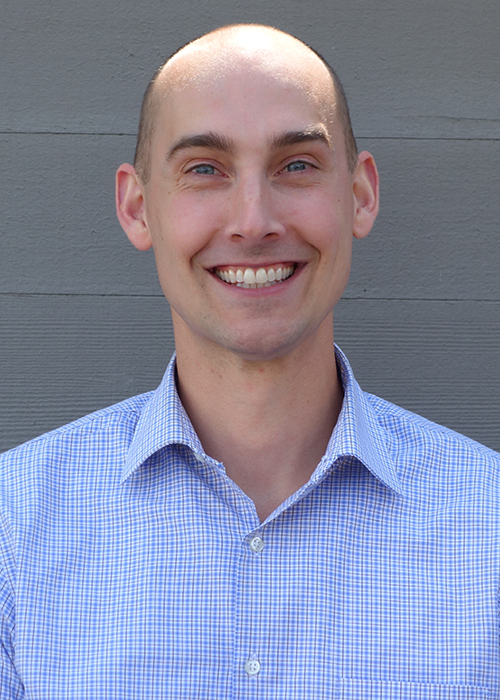
Alysha Thompson
Alysha Thompson, PhD is the Clinical Director and attending psychologist on the Psychiatry and Behavioral Medicine Unit at Seattle Children’s Hospital and Associate Professor in the Department of Psychiatry and Behavioral Sciences at University of Washington. Prior to joining the staff and faculty at Seattle Children’s/UW, she was a staff psychologist on the Adolescent Inpatient Unit at Bradley Hospital and Clinical Assistant Professor in the Department of Psychiatry and Human Behavior at Brown University. She is an active participant in training future psychiatrists and psychologists and currently serves as Chair-Elect of the Acute, Intensive, and Residential Services Special Interest Group of Division 53 of the American Psychological Association, a national group of psychologists.
Dr. Thompson has authored multiple publications regarding inpatient psychiatric treatment for youth and has forged collaborations with psychiatrists and psychologists working in inpatient psychiatry and acute care around the country. Recently, she co-edited the Handbook of Evidence-Based Inpatient Mental Health Programs for Children and Adolescents. In addition, she is actively engaged in advocacy efforts regarding improvement the mental health care system for youth. She is passionate about providing quality services to youth experiencing severe mental health crises and has specific areas of expertise in working with youth with trauma histories and suicidality.
Dr. Thompson completed her graduate education at Suffolk University in Boston in clinical psychology with an emphasis in child and adolescent clinical psychology. She completed residency in pediatric psychology at Rush University Medical Center in Chicago and went on to complete a fellowship in clinical psychology with an emphasis in trauma in children and adolescents at the Trauma Center at Justice Resource Institute.
Georganna Sedlar

Andrew Saxon
Personal Statement
My area of expertise is addiction psychiatry.
Doyanne Darnell
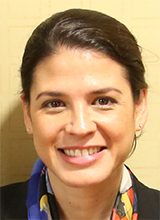
Personal Statement
My research aims to improve the public health impact of evidence-based behavioral health interventions for addressing comorbidities common among ethnoculturally diverse and underserved victims of trauma, including PTSD, depression, suicidal ideation, and risky substance use. I study the integration of behavioral interventions into general medical settings, with an emphasis on provider-centered training methods to support the delivery of patient-centered interventions. My current interest is in harnessing technologic innovations in machine learning and artificial intelligence, along with user-centered design, to enhance suicide prevention training scalability and sustainability. https://darnell.psychiatry.uw.edu/
Greg Reger
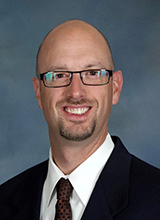
I am a Professor in the Department of Psychiatry and Behavioral Sciences and I work as the Deputy Associate Chief of Staff for Mental Health at the VA Puget Sound Health Care System. I am a licensed clinical psychologist. My research is focused on studying mental health technologies to support Veterans, Service Members, their families, and the health care staff that treat them. I research mobile applications, virtual reality, virtual standardized patients, and other innovative approaches to improve mental health education and services. I have conducted DoD and VA funded research and focus on applied interventions that may have promise to make a difference in the lives of those we serve. I am an Army Veteran and current behavioral health officer in the Washington State Army National Guard.
Patrick Sylvers
Personal Statement
Dr. Sylvers serves as the Director of Psychology Training at the Veterans Affairs Puget Sound Health Care System, American Lake Division. His primary research interests include personality and its relation to treatment outcomes, treatment outcomes related to trauma and anxiety related disorders, and the etiology and treatment of aggressive behavior. Dr. Sylvers also serves as a consultant for the Department of Veterans Affairs Acceptance and Commitment Therapy for Depression training initiative.