Scholarly Expertise: Psychiatric problems
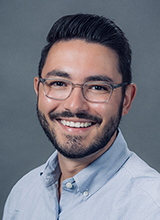
Antoine Lebeaut
Dr. Antoine Lebeaut is a licensed clinical psychologist and an Acting Assistant Professor in the Department of Psychiatry and Behavioral Sciences at the University of Washington. He specializes in the treatment of posttraumatic stress and anxiety, with a particular focus on co-occurring conditions. His research centers on identifying risk and maintenance factors for posttraumatic stress and problematic alcohol use among adults and first responder populations, as well as developing and adapting trauma-informed strategies to improve the accessibility and efficacy of evidence-based behavioral health approaches.
Dr. Lebeaut’s work has been presented at national and international conferences, published in several peer-reviewed journals, and funded by the American Psychological Association, National Institute on Alcohol Abuse and Alcoholism, American Psychological Foundation, and the National Register of Health Service Psychologists.
He aims to advance community-driven, trauma-informed, and scalable behavioral health approaches through collaborations with local, state, and federal partners to support applied research, training, and clinical service delivery for first responders. Dr. Lebeaut also provides psychotherapy to patients at the University of Washington’s Outpatient Psychiatry Clinic and provides clinical supervision and training in CBT to psychiatry residents.
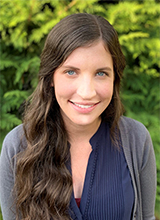
Madeline Frost
I am a health services researcher and implementation scientist focused on improving care for substance use disorders. My work seeks to increase access to this care through telehealth and implementation outside of traditional substance use treatment settings, as well as to improve care quality and patient-centeredness. I am an investigator at VA Puget Sound Health Care System and a VA Career Development Awardee.
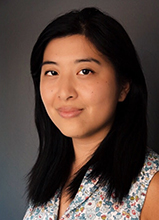
Xian Zhang
I am a licensed clinical psychologist in the University of Washington’s Department of Psychiatry and Behavioral Sciences, working in adult inpatient care within the Center for Behavioral Health & Learning. I bring specialized training in serious mental illness, inpatient psychiatric care, serving populations with comorbid substance use and/or medical complexity, and enjoy working collaboratively within multidisciplinary teams to optimize patient-centered care. I also bring a global public health background in improving service delivery and access in low-resource settings across Africa and Asia.
I graduated with a PsyD in clinical psychology from the University of Denver, after completing my pre-doctoral internship at Mt. Sinai/Elmhurst Hospital in New York. During this internship, I completed rotations in the adult inpatient unit, the child partial hospitalization program, psychiatric emergency room services, and the consultation-liaison psychiatric service, serving a patient population that is among the most ethnically and culturally diverse in the world. I am dedicated to providing high quality, empathetic, and innovative interventions to our inpatient population.

Katherine Seldin
Dr. Katherine Seldin is a faculty member and licensed clinical psychologist in the University of Washington’s Department of Psychiatry and Behavioral Sciences. Before joining this department, Dr. Seldin completed her PhD in Clinical Psychology at the University of Washington, residency at Northwestern University Feinberg School of Medicine, and fellowship at the University of Ilinois Chicago.
Dr. Seldin specializes in delivering evidence-based cognitive behavioral therapies (CBTs), including mindfulness-based and exposure-based psychotherapies such as Acceptance and Commitment Therapy (ACT) and Exposure and Response Prevention (ERP). Her research interests include mood disorders, sleep, digital intervention, emotional impulsivity, and ecological momentary assessment methodology.
Josh Walther
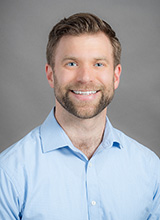
I am an Acting Assistant Professor in the Department of Psychiatry and Behavioral Sciences at the University of Washington, primarily working clinically at Harborview Medical Center. I work with the Recovery Clinic, Intake and Brief Intervention Services (IBIS), the Behavioral Health Integration Program (BHIP), and Addiction Consult Service.
I am fellowship-trained in Addiction Psychiatry, and board certified in both general and addiction psychiatry by the American Board of Psychiatry and Neurology. My passion is providing excellent, compassionate and comprehensive psychiatric care to my patients regardless of background or resources. I believe quality healthcare is a human right for all people and am excited help make that a reality as part of the Harborview system.

Jonathan Bricker
My lab based at Fred Hutch Cancer Center develops and tests acceptance-based therapies delivered in digital and telehealth platforms. The most preventable causes of premature death and human suffering are cigarette smoking and obesity. To this end, my research team focuses on designing, developing, and testing AI-based chatbot, smartphone app-delivered, and telephone coach-delivered contextual behavioral interventions for smoking cessation and for weight loss. Research aims include main outcome comparisons, mediators, moderators, intervention engagement, and therapeutic process predictors of outcome. This research is currently supported by multiple NIH R01-level grants. Our lab’s latest grant focuses on testing a smartphone app for helping American Indians and Alaska Natives stop smoking commercial cigarettes.
See links for further information:
https://research.fredhutch.org/habit/en/habit-group-members.html
https://en.wikipedia.org/wiki/Jonathan_Bricker
Justin Tauscher
David Reed
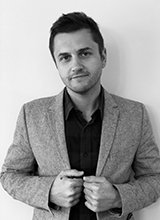
I am a clinical psychologist by training and an Assistant Professor at the University of Washington, Department of Psychiatry and Behavioral Sciences. I am also a Health Service Research Scientist at the Seattle-Denver HSR&D Center of Innovation for Veteran-Centered and Value-Driven Care at the VA Puget Sound Health Care System. My research program broadly focuses on bringing a more holistic approach to healthcare (i.e., mind, body, and spirit) and centers around two interconnected areas of investigation: 1) meaning-making and meaning in life among individuals with chronic pain and psychological distress (in particular, PTSD) and 2) developing and testing mind-body interventions that improve physical and emotional health and well-being. I am particularly interested in improving health for those in rural settings. My work has been supported by the National Center for Complementary and Integrative Health and the U.S. Department of Veterans Affairs.
Lupita Santillan
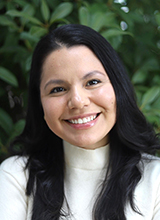
Lupita Santillan, PhD, is an Acting Assistant Professor in the department of Psychiatry and Behavioral Sciences. Dr. Santillan is an attending psychologist for the Early Childhood Clinic and the CALMA Clinic at Seattle Children’s Hospital. She is passionate about increasing access to evidence-based early childhood interventions and the provision of mental and behavioral health in Spanish. Her clinical training has focused on providing care to families and children with developmental delays and neurodevelopmental disabilities. Dr. Santillan’s research focuses on the development, implementation, and efficacy of evidence-based behavioral treatments to support children with developmental delays and neurodevelopmental disabilities.