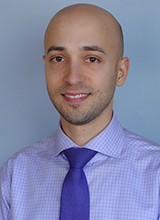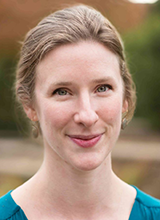
My research broadly seeks to understand the ways in which our social and romantic relationships intersect with physical and mental health. Additionally, I work in treatment development and evaluation with the aim of improving and harnessing social relationships to increase physical and mental wellbeing. I was recently funded by a 5-year Career Development Award through VA HSR&D. This award aims to both improve clinicians’ measurement of social relationships in the context of mental health care and modify and test brief, Primary Care-based interventions for PTSD and social support. In this line of research, I am PI of an HSR&D and VAPS R&D-funded nationwide survey of veterans both with and without PTSD that seeks to collect psychometric and acceptability data on social support instruments for future use in measurement-based care. I am also collaborating with colleagues in HSR&D to develop and test a dyadic intervention for improving health behavior. I am lucky to provide clinical care as a staff psychologist in the PTSD Outpatient Clinic at VA Puget Sound, where I deliver individual, group, and couples treatments for PTSD and provide psychoeducation on trauma and related conditions to loved ones of veterans with PTSD.
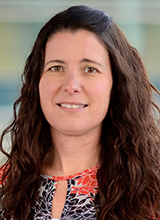
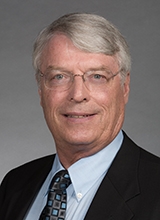
I am a Psychologist and the Coordinator of the DBT Program at the VA Puget Sound Health Care System as well as an Associate Professor in the Department of Psychiatry and Behavioral Sciences and Adjunct Associate Professor in the Department of Psychology at the University of Washington. I previously worked as the Research Director of Dr. Marsha Linehan’s Behavioral Research and Therapy Clinics at the University of Washington (2006-2018), Director of Research and Development for Behavioral Tech, LLC (2014-2017), and Director of Behavioral Tech Research, Inc. (2013-2016). My research focuses on the development and evaluation of the DBT Prolonged Exposure protocol for PTSD as well as methods of disseminating and implementing this and other evidence-based treatments into clinical practice. I regularly provide training and consultation nationally and internationally in DBT and DBT PE and have published extensively on these treatments. I am a certified DBT therapist, a certified PE therapist and supervisor, am board certified in Behavioral and Cognitive therapy, and am licensed as a psychologist in the state of Washington.

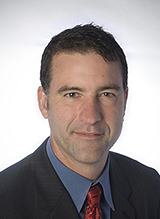
I am a child and adolescent psychiatrist at Seattle Children’s Hospital and faculty member at the University of Washington Medicine. My SCH practice locations include the Gender Clinic (Adolescent Medicine), Outpatient Psychiatry Clinic, Autism Center, and the inpatient unit- Psychiatry and Behavioral Medicine Unit (PBMU). I believe in delivering compassionate, evidence-based care in supporting patients and their families. My approach is both comprehensive and patient-centered, as it is important to consider the needs of the individual while also appreciating societal and cultural context. I specialize in working with diverse patient populations with various marginalized identities, such as those who identify as LGBTQ, gender diverse, and/or neurodiverse. I also work closely with the Adolescent Medicine Gender Clinic in supporting any mental health needs of transgender/gender diverse youth and their families. I also collaborate with colleagues in specialty medical clinics to coordinate care of medically complex patients. Additionally, I serve as a consultant with various school programs to support mental health initiatives and advocacy efforts.
Academically, I am involved with several initiatives both locally and nationally, particularly those that work to promote diversity and equity. I serve on committees supporting the SCH/UW CAP Fellowship Program, educating trainees and students through direct clinical supervision as well as with lectures and discussions. On a national level, I serve on the Sexual Orientation and Gender Identity Issues Committee (SOGIIC) for the American Academy of Child and Adolescent Psychiatry (AACAP). My clinical research focuses on finding strategies to better support the mental health and well-being of patients and families who are LGBTQ+. Additionally, I work on studies that explore the intersection between gender diversity and neuro diversity/autism spectrum.
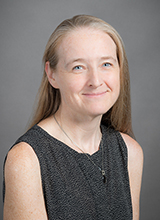
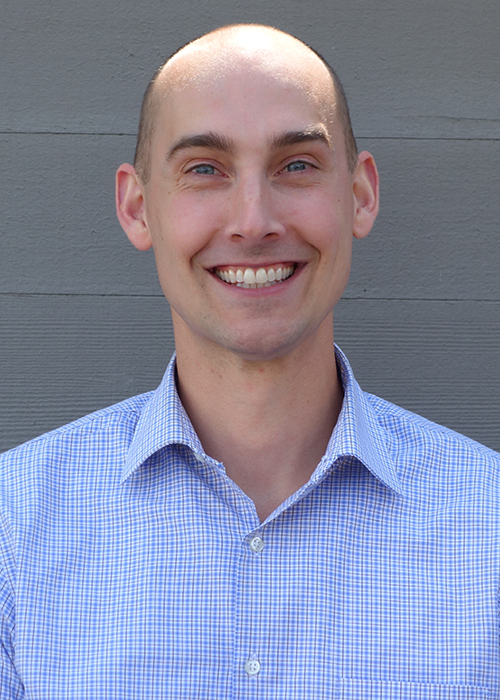
The Hendrickson research group explores underlying biological mechanisms related to the development and maintenance of posttraumatic stress disorder (PTSD) and related conditions, including mild traumatic brain injury, as well as the potential for interaction between different types of stress and trauma. Through the design and implementation of translational clinical studies, we apply this work directly to the pursuit of new treatment options for people who have experienced a traumatic stress.
A primary goal of our team is to understand broadly the ways traumatic stress interferes with people’s lives, and to prioritize the areas of greatest clinical need. We look for ways to prevent persistent symptoms after trauma, to match patients more quickly to the treatment options that will be most effective for them as individuals, and to develop new treatment options for those for whom current options are simply not adequate.
In addition to my research work, I am a staff psychiatrist in the VA PTSD Outpatient Clinic and a member of the VA Dialectical Behavioral Therapy (DBT) Team, and provide teaching and mentorship for residents in the UW Psychiatry Training Program.
Personal Statement
I am a Professor of Psychiatry and Director of the Addictions Division in the Department of Psychiatry and Behavioral Sciences at the University of Washington School of Medicine in Seattle, Washington. I am also the clinical director of addictions treatment services at Harborview Medical Center, and work in the psychiatric rehabilitation and recovery services.
I am board-certified in Psychiatry by the American Board of Psychiatry and Neurology with Added Qualifications in Addiction Psychiatry, and the American Board of Addiction Medicine. A Distinguished Fellow of the American Psychiatric Association and a Fellow of the American Society of Addiction Medicine, I am on the editorial board and a reviewer for several scientific journals and holds a number of research grants from the National Institute of Health.
Personal Statement
I am a board certified child and adolescent psychiatrist in the Pediatric Clinic at Harborview, Seattle Children’s Hospital, and Odessa Brown Children’s Clinic in the Division of Psychiatry and Behavioral Medicine.
In my clinical work, I strive to create active partnerships with my patients and their families to achieve the best possible outcomes regardless of their needs and circumstances. I am lucky to have great behavioral health and primary care partners across the different clinics I work in, who are invaluable collaborators in caring for our patients and families.
I am involved in the child and adolescent training program and supervises trainees at several outpatient clinics. My clinical and research interests include integrating mental healthcare into primary care settings, ADHD, disruptive behaviors, aggression, trauma-related disorders, and improving clinical supervision of child and adolescent psychiatry trainees.
Personal Statement
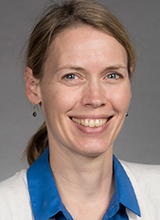
I am a Professor and Licensed Clinical Psychologist in the University of Washington’s Department of Psychiatry and Behavioral Sciences and am Board Certified in Cognitive and Behavioral Psychology. I received my Ph.D. in clinical psychology from the UW in 2006 and returned to UW as a faculty member in 2010.
My research interests include problematic substance use (including alcohol and marijuana), posttraumatic stress disorder (PTSD), identity and self-concept, and resilience. My work focuses on investigating implicit (i.e., non-conscious or automatic) cognitive processes and processes related to self-concept and identity that contribute to the development and maintenance of maladaptive behavior and psychopathology. A second line of my work focuses on developing and increasing access to briefer, effective interventions for individuals who are trauma-exposed. Support for my work has been provided by the National Institute on Alcohol Abuse and Alcoholism, the National Institute on Drug Abuse, and the University of Washington’s Garvey Institute for Brain Health Solutions and the Addictions, Drug & Alcohol Institute. I also serve as a consultant for dissemination projects aimed at training community-based mental health workers in Cognitive Processing Therapy and other evidence-based treatment for PTSD in locally, nationally, and internationally.
Personal Statement
Jane Luterek, PhD is a psychologist in the PTSD Outpatient Clinic and the Addictions Treatment Center focused primarily on serving women Veterans at the VA Puget Sound Healthcare System, Seattle Division. She is a Clinical Assistant Professor in the Department of Psychiatry and Behavioral Sciences at the University of Washington and is licensed in the State of Washington. Dr. Luterek’s research has focused on understanding the psychological sequelae of trauma and mechanisms of change in therapy associated with Alcohol Dependence and PTSD. She has advanced clinical training in the treatment of Veterans with trauma related psychological sequelae (e.g. substance use disorders, PTSD, mood disorders, borderline personality disorder) and draws from a contextual behavioral theoretical background. Dr. Luterek has expertise in Acceptance and Commitment Therapy, Prolonged Exposure, Dialectical Behavior Therapy, and Motivational Interviewing, which heavily inform her clinical practices.