Personal Statement
I am a Professor of Psychiatry and Director of the Addictions Division in the Department of Psychiatry and Behavioral Sciences at the University of Washington School of Medicine in Seattle, Washington. I am also the clinical director of addictions treatment services at Harborview Medical Center, and work in the psychiatric rehabilitation and recovery services.
I am board-certified in Psychiatry by the American Board of Psychiatry and Neurology with Added Qualifications in Addiction Psychiatry, and the American Board of Addiction Medicine. A Distinguished Fellow of the American Psychiatric Association and a Fellow of the American Society of Addiction Medicine, I am on the editorial board and a reviewer for several scientific journals and holds a number of research grants from the National Institute of Health.
Personal Statement
My research is focused on (1) developing innovative mHealth assessments and interventions for schizophrenia-spectrum disorders and cross-diagnostic persecutory ideation, as well as (2) “engagement mHealth,” or the development of mobile health interventions that increase the likelihood that underserved populations present to and receive evidence-based treatment, with a particular focus on young adults at risk for psychosis and their families. My research is supported by a NARSAD Young Investigator Award from the Brain and Behavior Research Foundation and multiple grants from NIMH including a K23 Mentored Patient-Oriented Research Career Development Award.
Prior to my faculty position at UW, I was an Advanced Fellow in VA Health Services Research and Development and the Department of Health Services at UW. I completed my clinical psychology internship at the VA Puget Sound Health Care System, where I was awarded the APA Division 18 Outstanding VA Trainee Award. Prior to internship, I completed my undergraduate and doctoral training at the University of North Carolina at Chapel Hill. Throughout my training, I have been dedicated to services for individual with serious mental illness, with experience in an inpatient state hospital, VA psychosocial rehabilitation, intensive outpatient and dual-diagnosis clinics, and in coordinated specialty care for young people with early psychosis.
In addition to my program of research and clinical work, I am committed to clinical supervision and training. I currently lead the development of one of the first clinical training sequences designed for frontline clinicians integrating mHealth into community mental health. I was the first-ever graduate student to win UNC’s David Galinsky Award, an honor recognizing excellence in clinical supervision that had previously only ever been won by faculty. I am currently active in providing supervision in CBT to third-year psychiatry residents at UW.
Personal Statement
My primary interest is on determining how behavioral technologies can be used to improve alcohol and drug abuse outcomes for those suffering from addiction health disparities. Behavioral technologies are non-talk therapy approaches to addiction treatment, such as motivational incentives where we provide rewards for people who abstain from or reduce their drinking. This low-cost, strength based approach to addiction can be implemented in low-resources settings by non clinicians. In fact, our group is investigating how smartphones might be used to implement this treatment, allowing us to reach the millions of individuals suffering from alcohol problems worldwide.
My second research interest in evaluating the accuracy of alcohol biomarkers in addiction treatment settings. These include alcohol urine tests, such as ethyl glucuronide (EtG) and mobile phone linked Bluetooth breathalyzers. These tools allow us to accurately assess the success of alcohol treatments, as well as provide valuable research tools.
Importantly all of my research studies are conducted in collaboration with two communities that suffer disproportionately high rates of alcohol and drug misuse, 1) adults with severe mental illnesses, like schizophrenia and bipolar disorder and 2) American Indians and Alaska Natives. My research team and I work closely with community partners who are providing addiction treatment to these populations with the goal of reducing the burden of alcohol and drug use in these communities.
Personal Statement
I am a Professor in the Division of Child Psychiatry, Department of Psychiatry and Behavioral Sciences, at the University of Washington, and the Medical Director of Child Study and Treatment Center, the State Hospital for children and adolescents in Washington State. My primary research focus addresses the genetics of neuropsychiatric disorders. Our research supports that a substantial portion of neuropsychiatric disease, including schizophrenia and autism, stems from individually rare deleterious mutations in genes important for brain development. My clinical research addresses the diagnosis and treatment of early-onset psychotic illnesses. I authored the American Academy of Child and Adolescent Psychiatry’s diagnostic and treatment guidelines for schizophrenia and bipolar disorder.
Personal Statement
I am a clinical psychologist with specialized training in serious mental illness and forensic psychology. I specialize in evidence-based treatments for schizophrenia spectrum and other psychotic disorders. My clinical work and research converges on individual-, family-, and systems-level supports to optimize mental health care in both community and residential settings and reduce the likelihood of criminal justice system engagement among individuals with serious mental illness.
Personal Statement
I am the Psychiatry Chief of Service for both campuses of the University of Washington Medical Center. I also direct our Psychiatric Consultation and Telepsychiatry Program. My clinical focus is on patients who are hospitalized with simultaneous psychiatric and medical issues. Academically, I most often teach psychiatry trainees about psychopharmacology for refractory mood, anxiety, and psychotic disorders.
Personal Statement
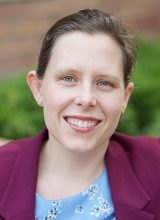
I am a board certified psychiatrist and work at Fred Hutchinson Cancer Center. I am a Clinical Assistant Professor of Psychiatry and Behavioral Sciences at the University of Washington. I obtained a fellowship in consultation-liaison psychiatry, a specialty that focuses on providing psychiatric care for people with complex medical conditions. My primary clinical focus is people with cancer.
I love my work. Being ill is a vulnerable time and my goal is to ease suffering and provide a sense of connection and understanding for all I work with. I believe in working collaboratively with patients and families. We work together to identify what the goals of treatment are. I have expertise in diagnosis, psychopharmacology and psychotherapy and adapt my recommendations to best serve the goals of the person before me.
I am also passionate about education. I am the site director at Fred Hutch Cancer Center for our Psycho-oncology Fellowship Program. I supervise Cl fellows, addiction fellows, psychiatry residents and provide education to social workers and psychology trainees.
Personal Statement
I completed my Residency in Psychiatry with the UW in 1982 and since then have worked at Harborview Medical Center in the Psychiatry Department. I am a Clinical Associate Professor and provide weekend and on-call coverage for 5MB on the Intensive Psychiatric Unit.