Scholarly Expertise: Alcohol Use Disorder (AUD)
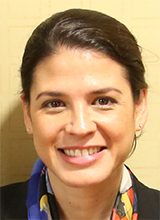
Doyanne Darnell
Personal Statement
My research aims to improve the public health impact of evidence-based behavioral health interventions for addressing comorbidities common among ethnoculturally diverse and underserved victims of trauma, including PTSD, depression, suicidal ideation, and risky substance use. I study the integration of behavioral interventions into general medical settings, with an emphasis on provider-centered training methods to support the delivery of patient-centered interventions. My current interest is in harnessing technologic innovations in machine learning and artificial intelligence, along with user-centered design, to enhance suicide prevention training scalability and sustainability. https://darnell.psychiatry.uw.edu/
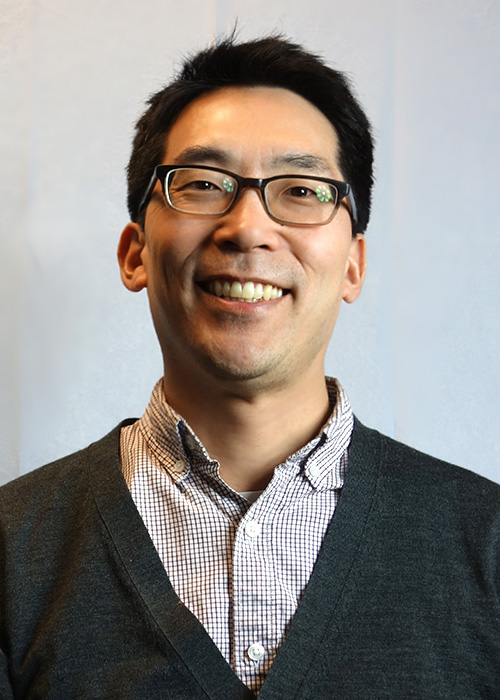
Isaac Rhew
Personal Statement
I am a psychiatric epidemiologist with interests in the etiology and prevention of substance use, internalizing mental health problems, and their co-occurrence. My research explores these phenomena across multiple levels of influence–from within-individual factors that can vary over time to broader neighborhood- and other area-level contextual factors. I am also interested in the application of innovative epidemiologic and statistical methods.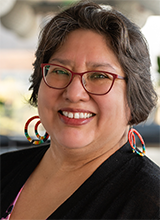
Myra Parker
Personal Statement
Myra Parker, JD, PhD is an Associate Professor of Psychiatry and Behavioral Sciences, and Director of Seven Directions: A Center for Indigenous Public Health, based within the Center for the Study of Health and Risk Behaviors, University of Washington. She received her doctorate in Health Services at UW School of Public Health, and has been a member of the faculty since 2014.
Dr. Parker’s research and clinical interests include: (1) cultural adaptation of alcohol and drug interventions among American Indians and Alaska Natives (with a particular focus on tribal college drinking harm reduction), (2) development and testing of parenting interventions to support early childhood development in American Indian and Alaska Native communities, (3) co-morbidity of substance use with depression, suicide, trauma, and PTSD, (4) research capacity development, including ethical aspects of research, for tribal and urban Indian communities; and, (5) dissemination and translation of evidence-based prevention and intervention approaches at the individual, institutional, and community level, including policy development. She has worked with tribal and urban Indian communities across the United States on these topics.
Ty Lostutter
Personal Statement
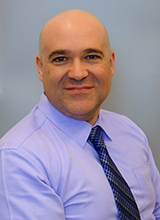
I am a licensed clinical psychologist in Washington State. I am the Director of the University of Washington School of Medicine’s Psychology Internship Program which is accredited by the American Psychological Association’s Office of Program Consultation and Accreditation. And, I conduct research on health and risk behaviors across the lifespan. Specifically, I have conducted research in the areas of college student alcohol use, young adult gambling behavior, and co-morbidity of substance use and mental health/risk behaviors (i.e. risky sexual behaviors). I have extensive experience working with college students/young adults, military/veteran, and minority/diverse populations. I am also interested in mental health issues including depression, anxiety, and PTSD. I maintain an active clinical practice in the areas of mental health issues with patients diagnosed with hematological and oncological illness and have clinical responsibilities at the Fred Hutchinson Cancer Center. I also provide clinical supervision for psychology residents and psychology practicum students at Fred Hutchinson Cancer Center as well. Overall, my professional aspirations are to improve the public health through empirically-supported psychological interventions and providing mentorship to diverse trainees to expand the reach of psychology.