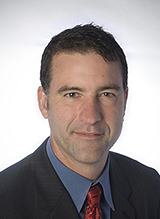
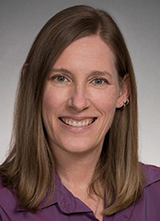
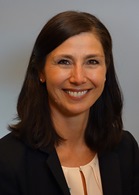
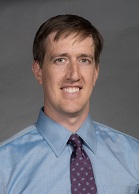
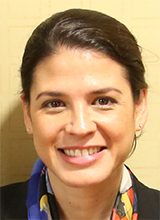
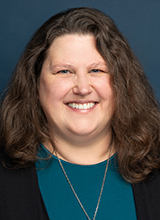
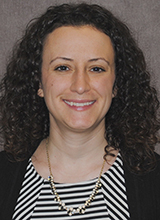
I am a Psychologist and the Coordinator of the DBT Program at the VA Puget Sound Health Care System as well as an Associate Professor in the Department of Psychiatry and Behavioral Sciences and Adjunct Associate Professor in the Department of Psychology at the University of Washington. I previously worked as the Research Director of Dr. Marsha Linehan’s Behavioral Research and Therapy Clinics at the University of Washington (2006-2018), Director of Research and Development for Behavioral Tech, LLC (2014-2017), and Director of Behavioral Tech Research, Inc. (2013-2016). My research focuses on the development and evaluation of the DBT Prolonged Exposure protocol for PTSD as well as methods of disseminating and implementing this and other evidence-based treatments into clinical practice. I regularly provide training and consultation nationally and internationally in DBT and DBT PE and have published extensively on these treatments. I am a certified DBT therapist, a certified PE therapist and supervisor, am board certified in Behavioral and Cognitive therapy, and am licensed as a psychologist in the state of Washington.
I am a child and adolescent psychiatrist at Seattle Children’s Hospital and faculty member at the University of Washington Medicine. My SCH practice locations include the Gender Clinic (Adolescent Medicine), Outpatient Psychiatry Clinic, Autism Center, and the inpatient unit- Psychiatry and Behavioral Medicine Unit (PBMU). I believe in delivering compassionate, evidence-based care in supporting patients and their families. My approach is both comprehensive and patient-centered, as it is important to consider the needs of the individual while also appreciating societal and cultural context. I specialize in working with diverse patient populations with various marginalized identities, such as those who identify as LGBTQ, gender diverse, and/or neurodiverse. I also work closely with the Adolescent Medicine Gender Clinic in supporting any mental health needs of transgender/gender diverse youth and their families. I also collaborate with colleagues in specialty medical clinics to coordinate care of medically complex patients. Additionally, I serve as a consultant with various school programs to support mental health initiatives and advocacy efforts.
Academically, I am involved with several initiatives both locally and nationally, particularly those that work to promote diversity and equity. I serve on committees supporting the SCH/UW CAP Fellowship Program, educating trainees and students through direct clinical supervision as well as with lectures and discussions. On a national level, I serve on the Sexual Orientation and Gender Identity Issues Committee (SOGIIC) for the American Academy of Child and Adolescent Psychiatry (AACAP). My clinical research focuses on finding strategies to better support the mental health and well-being of patients and families who are LGBTQ+. Additionally, I work on studies that explore the intersection between gender diversity and neuro diversity/autism spectrum.
Personal Statement
I work full-time at the VA, with half my time allotted in the specialty mental health clinic and the other half in the women’s primary care clinic. My current areas of interest are education, forensic psychiatry, and women’s mental health.
Personal Statement
I am a board certified child and adolescent psychiatrist in the Pediatric Clinic at Harborview, Seattle Children’s Hospital, and Odessa Brown Children’s Clinic in the Division of Psychiatry and Behavioral Medicine.
In my clinical work, I strive to create active partnerships with my patients and their families to achieve the best possible outcomes regardless of their needs and circumstances. I am lucky to have great behavioral health and primary care partners across the different clinics I work in, who are invaluable collaborators in caring for our patients and families.
I am involved in the child and adolescent training program and supervises trainees at several outpatient clinics. My clinical and research interests include integrating mental healthcare into primary care settings, ADHD, disruptive behaviors, aggression, trauma-related disorders, and improving clinical supervision of child and adolescent psychiatry trainees.
Personal Statement
As a practicing psychiatrist and health services researcher, I seek to improve mental health services in medical settings, especially among underserved populations. I work with colleagues in a wide array of disciplines (medical, public health, engineering and others) to develop new ways to increase the reach of evidence-based mental health services using technology-enabled service models to leverage limited specialty mental health expertise. I have a strong interest in using consumer technologies to empower patients, improve communication with providers, and provide targeted treatment.
Personal Statement
I have pursued a career at the intersection of mental health and primary care, training in both family medicine and addiction psychiatry. I currently practice in various integrated care settings as a consulting psychiatrist and in the outpatient adult psychiatry clinic. I am the co-medical director for the University of Washington Psychiatry and Addiction Case Conference (UW PACC), a weekly online learning collaborative to help community providers across the state improve their psychiatric and addiction clinical skills. My area of interest is focused on improving addiction and psychiatric treatment to primary care settings. I also spend a significant amount of time training both family medicine and psychiatry trainees and fellows on integrated treatments for substance use disorders.
Personal Statement
My research aims to improve the public health impact of evidence-based behavioral health interventions for addressing comorbidities common among ethnoculturally diverse and underserved victims of trauma, including PTSD, depression, suicidal ideation, and risky substance use. I study the integration of behavioral interventions into general medical settings, with an emphasis on provider-centered training methods to support the delivery of patient-centered interventions. My current interest is in harnessing technologic innovations in machine learning and artificial intelligence, along with user-centered design, to enhance suicide prevention training scalability and sustainability. https://darnell.psychiatry.uw.edu/
Personal Statement
My career goal is to give suicidal clients and their clinicians the best chance to succeed. I have been working in the area of health services, treatment development, and clinical trials research to prevent suicide for over 20 years. My graduate training was in community/clinical psychology and focused on achieving clinical ends through prevention and other systemic interventions in socio-culturally diverse populations. I have brought these perspectives into health services research. I have developed or adapted interventions to improve care and clinician willingness to work with suicidal patients including Caring Contacts, Dialectical Behavior Therapy (DBT), Collaborative Assessment and Management of Suicidality (CAMS), and Preventing Addiction Related Suicide (PARS). I have developed an adaptation of DBT, Accepting the Challenges of Employment and Self-Sufficiency (DBT-ACES), a program to assist psychiatrically disabled individuals find and maintain living wage employment. My research has been funded by NIMH, NIDA, the Department of Defense, American Foundation for Suicide Prevention, the Department of Veteran Health Affairs, and the State of Washington.
I am the director of the Center for Suicide Prevention and Recovery (CSPAR) whose mission is to promote the recovery of suicidal individuals and the effectiveness and well-being the clinicians and families who care for them by conducting rigorous and ecologically valid research, developing innovative interventions, improving policies, systems and environments of care, and providing expert training and consultation. CSPAR faculty and staff seek a deep understanding of the cultures and settings in which we work that leads to meaningful and effective interventions ready for implementation.
In addition to clinical research, I founded the Society for Implementation Research Collaboration (SIRC) and am the PI and Director of the Military Suicide Research Consortium Dissemination and Implementation core. These organizations focus on disseminating and implementing innovative, evidence-based interventions in the systems that need them. Beyond my research, I directed the Harborview Dialectical Behavior Therapy program at Harborview Medical Center 1996-2019, co-lead the UW DBT Training Program and have a long history of training and mentoring junior faculty, fellows, psychiatry residents, pre-doctoral psychology interns, undergraduate students, and post-baccalaureate trainees. I provide psychotherapy and consultation at the UWMC Outpatient Psychiatry Clinic.
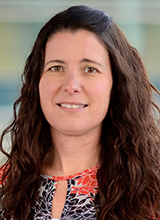
Personal Statement
I am a psychiatrist at the UW Outpatient Psychiatry Clinic (OPC) on Roosevelt, where I see patients for consultation, medication management, and psychotherapy, both individually and with psychiatry residents. I see patients with mood disorders, anxiety disorders, trauma, and complex trauma. I also help answer a consultation line for providers in the state of Washington who have questions about psychiatric medications during the perinatal period.
I serve as an Associate Program Director in the Psychiatry residency, where I help oversee the curriculum. My areas of interests are resident education, psychodynamic psychotherapy, outpatient psychiatry, perinatal psychiatry, and diversity, equity, and inclusion.