Scholarly Expertise: Psychiatric specialties
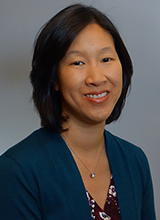
Christine Lee
Personal Statement
The transition to adulthood is the developmental period when alcohol use, marijuana use, and their associated consequences reach their lifetime peak. My scholarly interests focus on the etiology and prevention of substance use behaviors and consequences during adolescence and young/early adulthood. I have developed a highly successful portfolio of work bridging developmental, social, and motivational theory with applied prevention and intervention techniques to strategically address high-risk behaviors during the transition to adulthood. My research addresses important questions regarding how recent marijuana legislation in Washington State impacts young adult marijuana use and consequences; what motivates young adults to engage in alcohol and marijuana use; how alcohol expectancies, alcohol use and consequences are linked in a natural feed-forward process that maintains high-risk behaviors; how developmental transitions and event timing influence use; and what are efficacious prevention and intervention strategies and for whom and under what conditions are these most effective.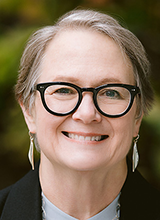
Barbara McCann
Personal Statement
I am interested in mood and anxiety disorders and the intersection of these with chronic medical illnesses. My approach to treatment is integrative. Working within a cognitive-behavioral framework, I use many traditional CBT methods, including hypnosis, mindfulness training, and concepts from third-generation cognitive and behavioral methods.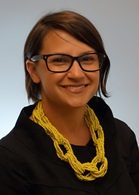
Sarah Kopelovich
Personal Statement
I am a clinical psychologist with specialized training in serious mental illness and forensic psychology. I specialize in evidence-based treatments for schizophrenia spectrum and other psychotic disorders. My clinical work and research converges on individual-, family-, and systems-level supports to optimize mental health care in both community and residential settings and reduce the likelihood of criminal justice system engagement among individuals with serious mental illness.
Aaron Lyon
Personal Statement
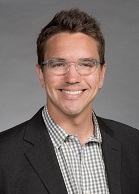
My research focuses on increasing the accessibility, efficiency, and effectiveness of community- and school-based interventions for children, adolescents, and families. I am particularly interested in (1) the identification and implementation of low-cost, high-yield practices – such as the use of measurement-based care – to reduce the gap between typical and optimal practice in schools; (2) development of individual- and organization-level implementation strategies to promote adoption and sustainment of evidence-based psychosocial interventions within a multi-tier systems of support (MTSS) framework; and (3) human-centered design (and redesign) of psychosocial and digital technologies to improve their implementability, accessibility, and effectiveness. I am the founder and Director of the School Mental Health Assessment, Research, and Training (SMART) Center, dually housed in UW’s School of Medicine and College of Education.
Jane Luterek
Personal Statement
Jane Luterek, PhD is a psychologist in the PTSD Outpatient Clinic and the Addictions Treatment Center focused primarily on serving women Veterans at the VA Puget Sound Healthcare System, Seattle Division. She is a Clinical Assistant Professor in the Department of Psychiatry and Behavioral Sciences at the University of Washington and is licensed in the State of Washington. Dr. Luterek’s research has focused on understanding the psychological sequelae of trauma and mechanisms of change in therapy associated with Alcohol Dependence and PTSD. She has advanced clinical training in the treatment of Veterans with trauma related psychological sequelae (e.g. substance use disorders, PTSD, mood disorders, borderline personality disorder) and draws from a contextual behavioral theoretical background. Dr. Luterek has expertise in Acceptance and Commitment Therapy, Prolonged Exposure, Dialectical Behavior Therapy, and Motivational Interviewing, which heavily inform her clinical practices.
Roberto Montenegro
Personal Statement
I am a child and adolescent psychiatrist at Seattle Children’s Hospital and UW Medicine and the director of mental health services at Echo Glen Children’s Center. I specialize in cross cultural psychiatry, transgender mental health and mental health for the deaf and hard of hearing. I strive to create active partnerships with his patients and their families to achieve the best possible outcomes.
Suzanne Murray
Personal Statement
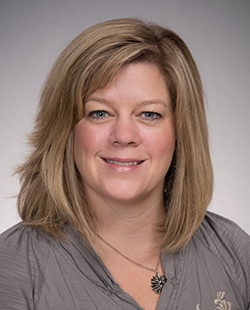
My passion for patient care is the core of who I am as a physician. As a consultation-liaison (C-L) psychiatrist, I have unique and broad teaching opportunities. The C-L role lets me teach non-psychiatrist peers, trainees from other specialties, and professionals from other disciplines. I particularly like helping providers to understand their patients’ psychiatric ailments, the complex interplay among psychiatric conditions and general medical problems, and the goals for recovery. Furthermore, I provide active support to patients and their families as they navigate our highly complex medical system with their illnesses and fears. Since the beginning of my tenure, I have been involved in the administrative aspects of medical student, resident and fellow training and curricular development. Education is the common thread that unites all of my academic activities. I have served as an Associate Program Director for 13 years at UWMC, Program Director of the Adult Psychiatry Residency program for 5 years and now work in CL psychiatry at the VA Puget Sound Health Care System. I am currently the Associate Program Director (APD) for the site and a core APD for Evaluation of our residency program.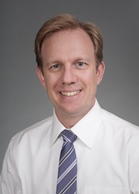
Ryan Kimmel
Personal Statement
I am the Psychiatry Chief of Service for both campuses of the University of Washington Medical Center. I also direct our Psychiatric Consultation and Telepsychiatry Program. My clinical focus is on patients who are hospitalized with simultaneous psychiatric and medical issues. Academically, I most often teach psychiatry trainees about psychopharmacology for refractory mood, anxiety, and psychotic disorders.