Personal Statement
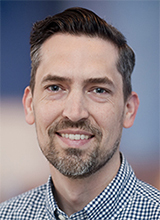
I am a licensed psychologist and Assistant Professor in the Department of Psychiatry and Behavioral Sciences at the University of Washington. I received my Ph.D. from the University of Missouri, completed clinical psychology internship at the University of Washington, and subsequently was awarded an NIH-funded postdoctoral fellowship focused on brief interventions for reducing young adult alcohol use. I joined the University of Washington faculty in 2019.
My research centers on developing and testing brief prevention and intervention programs for adolescent and young adult substance misuse (including alcohol and cannabis), and co-occurring mental health concerns such as depression, PTSD, loneliness, using substances to cope with negative affect. These programs are delivered across a variety of platforms (text message, web-based, web-conferencing, in-person face-to-face) to facilitate accessibility. To inform intervention development, my work also examines etiological and contextual factors related to substance misuse and mental health, including loneliness, depression, coping motives, and barriers to accessing mental health services.
I have served as Principal Investigator on research funded by the National Institute of Alcohol Abuse and Alcoholism, as well as other grants from the University of Washington. Clinically, I work with children and adolescents presenting with depression and suicidality at Seattle Children’s Hospital in the Behavioral Health Crisis Care Clinic and in the Mood and Anxiety Program.
- Recent Grants:
- We are currently enrolling young adults ages 21-29 in Project MAX: https://sites.uw.edu/projectmax/
- Development of a behavioral economic intervention with personalized resource allocation feedback to reduce young adult alcohol misuse (PI: Cadigan, NIH/NIAAA1R34AA029478)
- Development of an interactive, we-based drinking to cope intervention and tools to assess coping skill utilization (PI: Cadigan, NIH/NIAAA R34AA028074)
Personal Statement
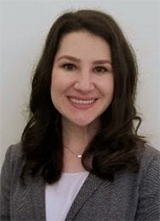
The transition to adulthood is the developmental period when alcohol use, marijuana use, and their associated consequences reach their lifetime peak. My scholarly interests focus on the etiology and prevention of substance use behaviors and consequences during adolescence and young/early adulthood. I have developed a highly successful portfolio of work bridging developmental, social, and motivational theory with applied prevention and intervention techniques to strategically address high-risk behaviors during the transition to adulthood.
My research addresses important questions regarding how recent marijuana legislation in Washington State impacts young adult marijuana use and consequences; what motivates young adults to engage in alcohol and marijuana use; how alcohol expectancies, alcohol use and consequences are linked in a natural feed-forward process that maintains high-risk behaviors; how developmental transitions and event timing influence use; and what are efficacious prevention and intervention strategies and for whom and under what conditions are these most effective.
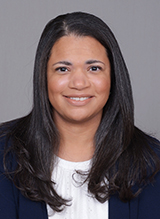
As a board-certified clinical health psychologist, I have primarily focused my clinical work on preventive medicine with special expertise in diabetes, weight management, and tobacco use cessation. I train clinicians in motivational interviewing and health coaching, and am currently a co-investigator on a research study examining an intervention with peer health coaches in the Veterans Health Administration (VHA). After nearly two decades of working in complex healthcare settings, like the VHA and serving in several leadership roles within and external to the VHA, I have grown a passion for supporting those who serve others and improving workplace well-being. I am an Associate Certified Coach and am enrolled in a Masters program in Leadership and Organizational Development. I coach leaders and individual contributors on their professional and personal goals, help teams work better together, engage clinics in identifying and implementing meaningful changes to improve workplace satisfaction.
Dr. Russell’s professional interests include ADHD, integrated/collaborative care, prevention and complementary/integrative approaches to child and adolescent mental health. He takes a holistic approach to psychiatric well-being that extends beyond medications and psychotherapy to include other evidence-based practices shown to improve brain health including regular exercise, time in nature, supportive social interactions, mind-body activities, good nutrition and sleep hygiene.
Personal Statement
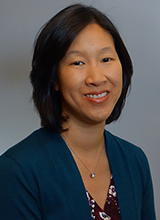
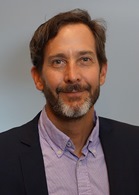
I am a clinical psychologist and mental health services researcher. My overarching research aim is to produce and promote use of research, evaluation, and continuous quality improvement that aids high-quality implementation of effective models of care in real world service settings, such as in schools, public mental health systems, and family-and youth-run organizations. My research can be summarized as falling into three categories: (1) Care coordination models for youth with the most complex behavioral health needs; (2) school mental health; and (3) public sector implementation of research-based practices. In each area, I co-direct national training and TA centers. For example the National Wraparound Implementation Center (www.nwic.org), provides support to dozens of states and localities internationally on Wraparound. The National Wraparound Initiative (www.pdx.edu) serves to mobilize our research and policy activities. Our Wraparound fidelity tools and data systems can be found at www.wrapinfo.org. With respect to school mental health, our interdisciplinary UW School Mental Health Assessment, Research, and Training (SMART) Center — www.smartcenter.uw.edu — currently has over a dozen federal grants as well as state, local, and foundation funding focused on how best to ensure that evidence for effective mental health intervention and prevention is translated into effective programming in schools. The SMART Center also hosts the school mental health supplement of the UW Department of Psychiatry’s SAMHSA-funded Northwest Mental Health Training and Technical Assistance Center (MHTTC). Check out our extraordinary array of resources at https://mhttcnetwork.org/centers/northwest-mhttc/northwest-mhttc-school-mental-health.
Personal Statement
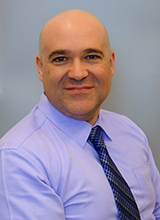
I am a licensed clinical psychologist in Washington State. I am the Director of the University of Washington School of Medicine’s Psychology Internship Program which is accredited by the American Psychological Association’s Office of Program Consultation and Accreditation. And, I conduct research on health and risk behaviors across the lifespan. Specifically, I have conducted research in the areas of college student alcohol use, young adult gambling behavior, and co-morbidity of substance use and mental health/risk behaviors (i.e. risky sexual behaviors). I have extensive experience working with college students/young adults, military/veteran, and minority/diverse populations. I am also interested in mental health issues including depression, anxiety, and PTSD. I maintain an active clinical practice in the areas of mental health issues with patients diagnosed with hematological and oncological illness and have clinical responsibilities at the Fred Hutchinson Cancer Center. I also provide clinical supervision for psychology residents and psychology practicum students at Fred Hutchinson Cancer Center as well. Overall, my professional aspirations are to improve the public health through empirically-supported psychological interventions and providing mentorship to diverse trainees to expand the reach of psychology.