Dr. Banta-Green studies substance use involving opioids and stimulants and interventions to support recovery and reduce substance-related harms. He is particularly interested in developing interventions that are accessible to all people, including those who are most marginalized, such as those who are unhoused, utilizing services syringe service programs, and/or in the criminal legal system. He provides technical assistance and evaluation services for public health and safety interventions including the website http://stopoverdose.org, and information for the general public and professionals about effective treatments at http://learnabouttreatment.org. As an epidemiologist he develops innovative approaches to measuring the use and impacts of substances as well as service utilization. His health services research involves clinical trials, implementation research, and secondary data analyses. He serves on local, state, and federal workgroups and committees related to epidemiology, policy, and interventions for illicit substance-related problems. He is a member of the U.S. Health and Human Service’s Interdepartmental Substance Use Disorders Coordinating Committee.
I am a perinatal and addiction psychiatrist and Acting Assistant Professor in the Department of Psychiatry and Behavioral Sciences. My main area of interest and expertise is substance use disorders in the perinatal period as well as women’s mental health more generally. I am also passionate about doing my part to address inequities in healthcare.
Personal Statement
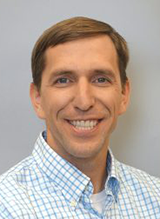
I am a clinical psychologist with research interests in the treatment of alcohol and substance use disorders and co-occurring mental health conditions.
My research focuses on understanding how to improve access to evidence-based treatments and understanding why and how patients benefit from treatment. I am particularly interested in research measurement-based care — i.e., the use of standardized measures to monitor treatment progress and inform clinical decision-making.
Broad areas of interest include:
- Alcohol and drug use disorder treatment, including the effectiveness of digital and behavioral interventions, mechanisms of behavioral change, and social and environmental determinants of change.
- Technology to support behavioral change, including patient- and clinician-facing tools that support clinical decision-making, treatment adherence, and treatment progress monitoring.
- Applied statistical analysis, including methods for analyzing longitudinal data, clinical trials data, multilevel data, missing data, psychometric analysis, and data visualization.
Personal Statement
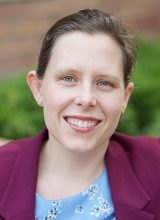
I am a board certified psychiatrist and work at Fred Hutchinson Cancer Center. I am a Clinical Assistant Professor of Psychiatry and Behavioral Sciences at the University of Washington. I obtained a fellowship in consultation-liaison psychiatry, a specialty that focuses on providing psychiatric care for people with complex medical conditions. My primary clinical focus is people with cancer.
I love my work. Being ill is a vulnerable time and my goal is to ease suffering and provide a sense of connection and understanding for all I work with. I believe in working collaboratively with patients and families. We work together to identify what the goals of treatment are. I have expertise in diagnosis, psychopharmacology and psychotherapy and adapt my recommendations to best serve the goals of the person before me.
I am also passionate about education. I am the site director at Fred Hutch Cancer Center for our Psycho-oncology Fellowship Program. I supervise Cl fellows, addiction fellows, psychiatry residents and provide education to social workers and psychology trainees.
Personal Statement
I have pursued a career at the intersection of mental health and primary care, training in both family medicine and addiction psychiatry. I currently practice in various integrated care settings as a consulting psychiatrist and in the outpatient adult psychiatry clinic. I am the co-medical director for the University of Washington Psychiatry and Addiction Case Conference (UW PACC), a weekly online learning collaborative to help community providers across the state improve their psychiatric and addiction clinical skills. My area of interest is focused on improving addiction and psychiatric treatment to primary care settings. I also spend a significant amount of time training both family medicine and psychiatry trainees and fellows on integrated treatments for substance use disorders.
I am grateful to be a lifelong University of Washington Husky. Training at the UW has afforded me the chance to learn from world class educators, clinicians, and researchers. I’ve learned from excellent mentorship that focusing on what you are passionate about is critical to professional satisfaction and success. For me, working with individuals experiencing co-occurring mental health and substance use disorders reminds me of the amazing resiliency that lies within us all. As a clinician educator at the VA Puget Sound, I am humbled at the trust both patients and trainees place in me everyday. It is a privilege to be part of this amazing place.
Personal Statement
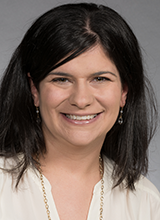
Dr. Bedard-Gilligan is a Professor in the Department of Psychiatry and Behavioral Sciences and a licensed clinical psychologist in the state of Washington. She currently serves as the co-director of the Trauma Recovery & Resilience Innovations (TRI) group and the associate director of the UW Center for Anxiety and Traumatic Stress (UWCATS). She leads or co-leads several research projects that are funded by the National Institute of Mental Health Disparities, the National Institute of Alcohol Abuse and Alcoholism, and the National Institute of Drug Abuse.
Her research is applied in nature and predominantly focuses on posttraumatic stress disorder (PTSD), with specific emphases on the co-occurrence of PTSD and substance use disorders and on mechanisms of treatment and recovery. She has presented her research at national conferences and has published numerous articles in peer-reviewed journals. She also maintains an active clinical practice specializing in using empirically supported treatments for PTSD and other anxiety disorders at the University of Washington Outpatient Psychiatry Clinic. Additionally, Dr. Bedard-Gilligan is involved in training and supervising psychology graduate students, psychology residents, and psychiatry residents in the use of empirically supported cognitive behavioral treatments.