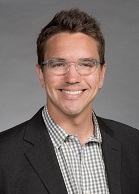
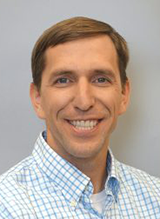
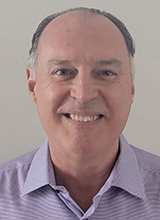
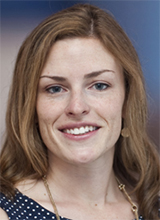
My research broadly seeks to understand the ways in which our social and romantic relationships intersect with physical and mental health. Additionally, I work in treatment development and evaluation with the aim of improving and harnessing social relationships to increase physical and mental wellbeing. I was recently funded by a 5-year Career Development Award through VA HSR&D. This award aims to both improve clinicians’ measurement of social relationships in the context of mental health care and modify and test brief, Primary Care-based interventions for PTSD and social support. In this line of research, I am PI of an HSR&D and VAPS R&D-funded nationwide survey of veterans both with and without PTSD that seeks to collect psychometric and acceptability data on social support instruments for future use in measurement-based care. I am also collaborating with colleagues in HSR&D to develop and test a dyadic intervention for improving health behavior. I am lucky to provide clinical care as a staff psychologist in the PTSD Outpatient Clinic at VA Puget Sound, where I deliver individual, group, and couples treatments for PTSD and provide psychoeducation on trauma and related conditions to loved ones of veterans with PTSD.
I am a board certified child and adolescent psychiatrist in the Pediatric Clinic at Harborview, Seattle Children’s Hospital, and Odessa Brown Children’s Clinic in the Division of Psychiatry and Behavioral Medicine.
In my clinical work, I strive to create active partnerships with my patients and their families to achieve the best possible outcomes regardless of their needs and circumstances. I am lucky to have great behavioral health and primary care partners across the different clinics I work in, who are invaluable collaborators in caring for our patients and families.
I am involved in the child and adolescent training program and supervises trainees at several outpatient clinics. My clinical and research interests include integrating mental healthcare into primary care settings, ADHD, disruptive behaviors, aggression, trauma-related disorders, and improving clinical supervision of child and adolescent psychiatry trainees.
As a practicing psychiatrist and health services researcher, I seek to improve mental health services in medical settings, especially among underserved populations. I work with colleagues in a wide array of disciplines (medical, public health, engineering and others) to develop new ways to increase the reach of evidence-based mental health services using technology-enabled service models to leverage limited specialty mental health expertise. I have a strong interest in using consumer technologies to empower patients, improve communication with providers, and provide targeted treatment.
I am a mixed methods health services researcher and health economist with a PhD in population health and background in community-based participatory research and community-engaged research. I enjoy working with partners in clinic and community settings to develop scalable programs to improve mental health services and community well-being. Such programs may involve a diverse workforce with varying levels of mental health training and experience, including lay health workers. My interest in technology focuses on finding efficiencies and the appropriate balance of technology and face-to-face encounters to support patient care and staff training/support in such programs.
My research focuses on increasing the accessibility, efficiency, and effectiveness of community- and school-based interventions for children, adolescents, and families. I am particularly interested in (1) the identification and implementation of low-cost, high-yield practices – such as the use of measurement-based care – to reduce the gap between typical and optimal practice in schools; (2) development of individual- and organization-level implementation strategies to promote adoption and sustainment of evidence-based psychosocial interventions within a multi-tier systems of support (MTSS) framework; and (3) human-centered design (and redesign) of psychosocial and digital technologies to improve their implementability, accessibility, and effectiveness. I am the founder and Director of the School Mental Health Assessment, Research, and Training (SMART) Center, dually housed in UW’s School of Medicine and College of Education.
I am a clinical psychologist with research interests in the treatment of alcohol and substance use disorders and co-occurring mental health conditions.
My research focuses on understanding how to improve access to evidence-based treatments and understanding why and how patients benefit from treatment. I am particularly interested in research measurement-based care — i.e., the use of standardized measures to monitor treatment progress and inform clinical decision-making.
Broad areas of interest include:
Alcohol and drug use disorder treatment, including the effectiveness of digital and behavioral interventions, mechanisms of behavioral change, and social and environmental determinants of change.
Technology to support behavioral change, including patient- and clinician-facing tools that support clinical decision-making, treatment adherence, and treatment progress monitoring.
Applied statistical analysis, including methods for analyzing longitudinal data, clinical trials data, multilevel data, missing data, psychometric analysis, and data visualization.
I am a Professor in the Department of Psychiatry and Behavioral Sciences at the University of Washington School of Medicine, and the Director of the Division of Population Health. I am also a Core Investigator at the HSR&D Center for Innovation for Veteran-Centered and Value-Driven Care at the VA Puget Sound Health Care System, and the Director of the VA Virtual Care QUERI Program.
For the last 35 years, my research has focused on access to care. I have published a framework for conceptualizing access to care in the digital age that incorporates virtual care technologies. I have conducted clinical trials to test the effectiveness of virtual care technologies to facilitate the delivery of evidence-based mental health services in rural primary care clinics. I have also conducted implementation trials to test the effectiveness of strategies to promote the uptake of virtual care technologies by primary care patients and providers. My research has been supported by NIMH, NIAAA, PCORI, and VA HSR/QUERI.
My clinical work and research are focused on helping youth with ADHD and their families be resilient and successful. Specifically, I am interested in creating and disseminating behavioral treatments for ADHD and disruptive behavior that are accessible and engaging for families. I enjoy consulting and training with providers in a variety of settings, including integrated primary care, to offer treatments that provide immediate help to their patients. My current research focuses on improving family relationships and health outcomes for youth with ADHD, including preventing risk behaviors and improving active and healthy lifestyles.
I am a board certified psychiatrist and work at Fred Hutchinson Cancer Center. I am a Clinical Assistant Professor of Psychiatry and Behavioral Sciences at the University of Washington. I obtained a fellowship in consultation-liaison psychiatry, a specialty that focuses on providing psychiatric care for people with complex medical conditions. My primary clinical focus is people with cancer.
I love my work. Being ill is a vulnerable time and my goal is to ease suffering and provide a sense of connection and understanding for all I work with. I believe in working collaboratively with patients and families. We work together to identify what the goals of treatment are. I have expertise in diagnosis, psychopharmacology and psychotherapy and adapt my recommendations to best serve the goals of the person before me.
I am also passionate about education. I am the site director at Fred Hutch Cancer Center for our Psycho-oncology Fellowship Program. I supervise Cl fellows, addiction fellows, psychiatry residents and provide education to social workers and psychology trainees.
I am a consultation-liaison psychiatrist and health services researcher in the Department of Psychiatry and Behavioral Sciences and Adjunct Professor in the Departments of Rehabilitation Medicine and Epidemiology. I am also Medical Director of the Department of Psychosocial Oncology at Fred Hutchinson Cancer Center.
My research interests are in psychiatric epidemiology, health services research, psychiatric oncology, and neuropsychiatry. In my clinical practice, I use a comprehensive, multifaceted approach that may include medications or counseling to help patients achieve their goals. My primary interest is helping people who are coping with medical illness. I am particularly interested in developing better approaches to delivering person-centered psychiatric care to these populations.