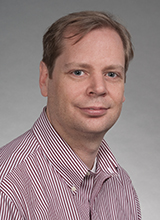
Personal Statement
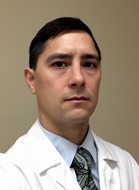
My lab’s focus is reward processing, how it differs under behavior phenotypes that are more vulnerable or resilient to mental illness and how it is changed by psychiatric pathology. Our primary focus is dopamine transmission and the circuits in which is participates.
We developed tools that allow us to track dopamine with sub-second resolution in animals over the course of months (Clark et al, Nat Methods, 2010). This approach allows us to study trajectories of precise neurochemical encoding of behaviors over the course of the development of symptomology and subsequent treatment in animal models of disease. We also have adapted this technology for intraoperative recording in humans (Kishida et al, PLoS One, 2011).
Our research highlights include contributions in the area of dopamine’s role in learning (Flagel et al, Nature, 2012), decision making (Gan et al, Nat Neurosci, 2010) and goal navigation (Howe et al, Nature, 2013). We have gleaned information on how stress impacts appetitive motivation (Wanat et al, Nat Neurosci, 2013), how adolescent alcohol use produces enhanced risk taking later in life (Clark et al, PLoS One, 2012), and identified biological mechanisms for the motivational shift in stress-induced depressive disorders (Lemos et al, Nature, 2012) and the switch to excessive drug intake in substance abuse (Willuhn et al, Nat Neurosci, 2014).
These approaches have attracted a large number of collaborations, including National Academy members Akil, Palmiter, Graybiel and Kandel.
Personal Statement
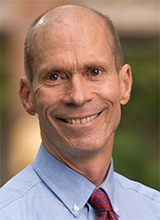
I completed my Residency in Psychiatry with the UW in 1982 and since then have worked at Harborview Medical Center in the Psychiatry Department. I am a Clinical Associate Professor and provide weekend and on-call coverage for 5MB on the Intensive Psychiatric Unit.
I am a clinical psychologist at Seattle Children’s Hospital and UW Medicine, where my work primarily consists of clinical care and teaching. My two areas of focus are the provision of effective, trauma-informed treatment for youth and families in suicidal crises and the promotion of equitable access to behavioral healthcare.
Personal Statement
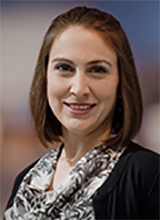
I am an Assistant Professor in the Department of Psychiatry & Behavioral Sciences at the University of Washington Medical Center. In addition to general psychiatry, I am an expert in Consultation Liaison Psychiatry. My primary clinical roles are in the inpatient psychiatry consultation service at the University of Washington Medical Center and Harborview Medical Center.
I earned my bachelor’s degree from the University of California, Berkeley and his M.D. from Loma Linda University in California. I first came to the UW as a psychiatry resident, and then continued on for my fellowship in Psychosomatic Medicine.
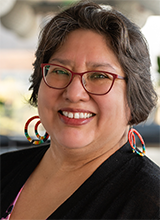
Personal Statement
Myra Parker, JD, PhD is an Associate Professor of Psychiatry and Behavioral Sciences, and Director of Seven Directions: A Center for Indigenous Public Health, based within the Center for the Study of Health and Risk Behaviors, University of Washington. She received her doctorate in Health Services at UW School of Public Health, and has been a member of the faculty since 2014.
Dr. Parker’s research and clinical interests include: (1) cultural adaptation of alcohol and drug interventions among American Indians and Alaska Natives (with a particular focus on tribal college drinking harm reduction), (2) development and testing of parenting interventions to support early childhood development in American Indian and Alaska Native communities, (3) co-morbidity of substance use with depression, suicide, trauma, and PTSD, (4) research capacity development, including ethical aspects of research, for tribal and urban Indian communities; and, (5) dissemination and translation of evidence-based prevention and intervention approaches at the individual, institutional, and community level, including policy development. She has worked with tribal and urban Indian communities across the United States on these topics.
Personal Statement
I bring a practical approach to mental health research, working to break down barriers between research and real-world health care.
Personal Statement
I am Medical Director of Inpatient and Acute Mental Health Services at Seattle Children’s Hospital, where I provide clinical leadership and clinical care to patients with a broad range of diagnoses and presenting concerns in the Psychiatry and Behavioral Medicine Unit, Partial Hospitalization Program, and Emergency Department Mental Health program. I aim to provide high quality, family-focused, evidence-based care as part of a multidisciplinary team. I am highly involved in educating residents, fellows, and medical students, and serve as Associate Training Director for Inpatient Psychiatry for the child psychiatry fellowship program.

Personal Statement
I am a Professor in the Department of Psychiatry and Behavioral Sciences at the University of Washington and licensed Clinical Psychologist who specializes in development and evaluation of technology-based approaches in the study, assessment, treatment, and prevention of mental illness. This work includes development of illness self-management apps for people with schizophrenia, texting interventions, behavioral sensing/digital phenotyping, computational psychiatry/predictive modelling, applications of Natural Language Processing (NLP), and development of culturally-relevant digital mental health resources for communities in low-and-middle-income countries.
My research has been supported by grants and awards from the National Institutes of Health (NIH), National Science Foundation (NSF), Center for Medicare and Medicaid Innovation (CMMI) Patient Centered Outcomes Research Institute (PCORI), SYNERGY Clinical and Translational Science Institute, Myrtlewood Foundation, and John Sloan Dickey Center for International Understanding. I publish extensively in scientific journals and am a regular speaker at national and international scientific meetings including invited presentations at the White House and National Institute of Mental Health Director’s Innovation Speaker series. I have written editorials and commentaries on the use of technology-based interventions for Psychiatric Services, the BMJ, and the New York Times, and my research has been covered by Public Radio, Nature, Wired Magazine, Slate, and The Economist. I served on the Editorial Board of Schizophrenia Bulletin and am the Inaugural Editor of the “Technology in Mental Health” Column for Psychiatric Services (APA journal).
Personal Statement
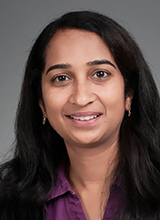
I am a perinatal psychiatrist and Associate Professor in the Department of Psychiatry and Behavioral Sciences.
I earned my medical degree from Bangalore Medical College, India, and completed a psychiatry residency in St. John’s Medical College, India. I completed a second residency in Psychiatry with a focus on women’s mental health and integrated care from the University of Washington, and a fellowship in Primary Care in Psychiatry.
I also earned a Master’s in Public Health from the University of Washington School of Public Health. I am board certified with the American Board of Psychiatry and Neurology.
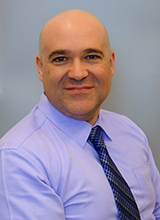
Personal Statement
I am a licensed clinical psychologist in Washington State. I am the Director of the University of Washington School of Medicine’s Psychology Internship Program which is accredited by the American Psychological Association’s Office of Program Consultation and Accreditation. And, I conduct research on health and risk behaviors across the lifespan. Specifically, I have conducted research in the areas of college student alcohol use, young adult gambling behavior, and co-morbidity of substance use and mental health/risk behaviors (i.e. risky sexual behaviors). I have extensive experience working with college students/young adults, military/veteran, and minority/diverse populations. I am also interested in mental health issues including depression, anxiety, and PTSD. I maintain an active clinical practice in the areas of mental health issues with patients diagnosed with hematological and oncological illness and have clinical responsibilities at the Fred Hutchinson Cancer Center. I also provide clinical supervision for psychology residents and psychology practicum students at Fred Hutchinson Cancer Center as well. Overall, my professional aspirations are to improve the public health through empirically-supported psychological interventions and providing mentorship to diverse trainees to expand the reach of psychology.