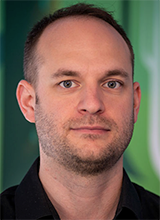
Dr. Connor Gallik, PhD, is the attending psychologist for the Adolescent Program on the Psychiatry and Behavioral Medicine Unit at Seattle Children’s Hospital and Acting Assistant Professor in the Department of Psychiatry and Behavioral Sciences at University of Washington.
Prior to joining the staff and faculty at Seattle Children’s/UW, Dr. Gallik completed his graduate education at the University of Connecticut with an emphasis in child and adolescent clinical psychology. He completed his clinical internship at Pacific University’s Psychology and Comprehensive Health Clinic and went on to complete a postdoctoral fellowship in clinical psychology at Seattle Children’s Hospital with an emphasis in DBT and inpatient care.
His research focuses on understanding factors related to the mental health and wellbeing of transgender and gender diverse (TGD) TGD youth and evidence-based practice on inpatient units. Clinically, he is interested in working with children, adolescents, and their families, with a focus on TGD youth. Dr. Gallik also provides training in TGD affirming care for mental health and medical professionals and speaks to community audiences about supporting transgender youth.
I am a bilingual, bicultural psychiatrist with interests in cultural psychiatry, psychotherapy, trauma-informed care, and improving quality of care and safety for our patients/families that receive care in a language other than English and other underserved communities.
I joined the Child and Adolescent Psychiatry faculty at the University of Washington in Fall of 2022 after completing my Child and Adolescent Psychiatry training here at the University of Washington at Seattle Children’s Hospital and General Psychiatry SUNY Upstate Medical University, with emphasis in Dialectical Behavioral Therapy and Trauma Focused- Cognitive Behavioral Therapy.
My clinical and research interests are strongly anchored in efforts to improve the quality of life and coping of children and adolescents with chronic illness. As a pediatric psychologist at Seattle Children’s Hospital, I provide assessment and intervention services to patients within the Heart Failure and Heart Transplant Program. My role involves assisting with issues such as adherence to medical regimens, teaching long-term stress reduction strategies to families, and empowering adolescents as they move toward adulthood and assume greater responsibility for their care. I am currently involved in QI projects including screening for psychological coping and risk factors as well as to help prepare our patients for transition to adult transplant programs.
I am a child and adolescent psychiatrist with interests in medical education, infant and early childhood mental health, and psychotherapy. I direct psychotherapy training for child and adolescent psychiatry (CAP) fellows, co-lead the CAP fellows’ didactic curriculum, and coordinate the CAP training experiences of general psychiatry residents.
My clinical work includes treatment in the outpatient setting for young children through adolescents, working closely with their families. I am passionate about psychiatrists supporting families comprehensively. I seek to use not only medications (if appropriate) but also behavioral/psychotherapeutic approaches.
I have done research on expanding behavioral treatments for young children by involving peer supports—caregivers who have previously participated in the programs for their own children—as members of the care team.
Dr. Neuhaus has a broad research focus on social-emotional processes in individuals with neurodevelopmental disorders, particularly children with autism spectrum disorder (ASD), attention-deficit/hyperactivity disorder (ADHD), or inherited or de novo genetic events. Dr. Neuhaus’s research is informed by a number of methodological approaches, including clinical/behavioral assessment and physiological measures such as EEG and autonomic biomarkers. Dr. Neuhaus is particularly interested in how social and emotional processes relate to brain function and development, and in how they interact with one another to influence diagnostic outcomes (e.g., phenotypes within autism) and psychiatric trajectories over the course of development. Clinically, Dr. Neuhaus specializes in diagnostic assessment of ASD.
I completed my adult psychiatry residency at the University of California, Davis and went on to complete my child & adolescent psychiatry fellowship at Seattle Children’s. My clinical work is focused on inpatient psychiatry and psychopharmacology. I have a particular interest in working with families and children in management of disruptive behavior disorders.
I am a clinical psychologist and researcher. My research focuses on pediatric psychology, intervention science, and leveraging digital technologies to disseminate and implement evidence-based psychosocial interventions for children, teens, and young adults with serious medical conditions and co-occurring anxiety, stress, and depression. Digital mental health care initiatives have the potential to scale-up interventions and overcome structural barriers and unequal access to psychosocial care. Current and future research investigations aim to help improve patient and family coping skills, psychosocial well-being, and quality of life by developing and implementing evidence-based mental health interventions.
Dr. Megan Goldenshteyn works as a licensed psychologist at the Institute on Human Development and Disability (IHDD) in the Child Development Clinic, Cardiac Neurodevelopment Clinic, Down Syndrome Specialty Clinic, and the Infant Development Follow-up Clinic. Dr. Goldenshteyn conducts psychological and developmental evaluations and supervises the psychology trainees, including the postdoctoral fellow and residents.