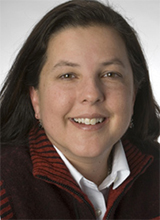
I am a child and adolescent psychiatrist with experience in delivering evidence based care for youth with psychiatric disorders. My clinical work is primarily in the outpatient setting and I have experience with telehealth, community mental health, consultation to primary care and developing integrated care systems with pediatricians. I am a psychiatrist on the Partnership Access Line, which provides phone consultation regarding diagnosis and treatment to pediatricians and other primary care physicians throughout Washington, Wyoming and Alaska. I have worked as part of an integrated care team by providing consultation in person at Kent-Des Moines and Roosevelt clinics. I have expertise in the treatment of common childhood psychiatric disorders and I am particularly interested in treating anxiety and ADHD. I am also trained in cognitive behavioral therapy (CBT) and dialectical behavioral therapy (DBT) and incorporate this background in my work. I value working collaboratively with patients and their families to make a decision about treatment options based on the best evidence we have for safe and effective treatment.
Academically, I have enjoyed being part of the fellowship training program teaching about Integrated Care and currently co-chair the child and adolescent curriculum for the University of Washington Integrated Care Fellowship.
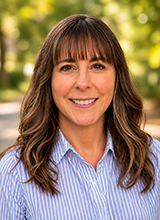
Dr. Jenness is a clinical child psychologist and Associate Professor in the Department of Psychiatry and Behavioral Sciences at the University of Washington. She earned her Ph.D. in Clinical Psychology from the University of Denver in 2015. Her past research includes NIMH-funded studies on the neural and behavioral changes that predict treatment response to behavioral activation for depressed adolescents (K23/NARSAD). As the director of the Adolescent Depression and Intervention Innovations (ADII) lab, her recent work focuses on innovative digital treatment approaches to improve adolescent depression care. Current projects include 1) adapting behavioral activation to an online platform, ActivaTeen (R03, NIMH R34); 2) leveraging paraprofessional coaching of video-guided depression care (Garvey Innovation Grant); and 3) developing and testing a digital just-in-time adaptive intervention (Sidekick; NIMH R61) as a first-step adolescent depression treatment within primary care settings. In addition to research, Dr. Jenness is an Attending Psychologist in the Mood and Anxiety Disorders Program at Seattle Children’s Hospital where she primarily treats adolescent depression and suicide. She has also trained mental health professionals at various sites around the US in the use of behavioral activation with adolescents.
I am interested in assessing risky alcohol and substance use and related consequences in young adults, with a specific focus on impaired driving-related behaviors. My work has mostly utilized a behavioral decision-making approach to understand factors that influence young adults’ decisions to engage in risky behaviors. I am also interested in developing and adapting prevention and intervention programs to reduce alcohol and substance use and consequences.
I am a developmental psychologist with additional training and expertise in quantitative methods. I am an associate professor in the UW Department of Psychiatry and Behavioral Sciences, a core member of the Center for the Study of Health and Risk Behaviors (CSHRB), faculty affiliate of the Center for Studies in Demography and Ecology (CSDE), and adjunct faculty at the UW School of Social Work. My main collaborations at UW involve colleagues from CSHRB but I also maintain strong research collaborations with my colleagues from the Social Development Research Group (SDRG), School of Social Work, and other departments. In addition to research, I occasionally teach graduate-level classes on research methods and evaluation in social welfare (SOCW505, SOCW506, SOCW507) and research and theory (SOCWL599) at the School of Social Work. I am also actively involved in mentoring graduate students and postdoctoral fellows.
Personal Statement
I am a board certified child and adolescent psychiatrist in the Pediatric Clinic at Harborview, Seattle Children’s Hospital, and Odessa Brown Children’s Clinic in the Division of Psychiatry and Behavioral Medicine.
In my clinical work, I strive to create active partnerships with my patients and their families to achieve the best possible outcomes regardless of their needs and circumstances. I am lucky to have great behavioral health and primary care partners across the different clinics I work in, who are invaluable collaborators in caring for our patients and families.
I am involved in the child and adolescent training program and supervises trainees at several outpatient clinics. My clinical and research interests include integrating mental healthcare into primary care settings, ADHD, disruptive behaviors, aggression, trauma-related disorders, and improving clinical supervision of child and adolescent psychiatry trainees.
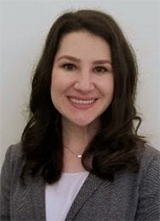
Personal Statement
I am a licensed psychologist and Assistant Professor in the Department of Psychiatry and Behavioral Sciences at the University of Washington. I received my Ph.D. from the University of Missouri, completed clinical psychology internship at the University of Washington, and subsequently was awarded an NIH-funded postdoctoral fellowship focused on brief interventions for reducing young adult alcohol use. I joined the University of Washington faculty in 2019.
My research centers on developing and testing brief prevention and intervention programs for adolescent and young adult substance misuse (including alcohol and cannabis), and co-occurring mental health concerns such as depression, PTSD, loneliness, using substances to cope with negative affect. These programs are delivered across a variety of platforms (text message, web-based, web-conferencing, in-person face-to-face) to facilitate accessibility. To inform intervention development, my work also examines etiological and contextual factors related to substance misuse and mental health, including loneliness, depression, coping motives, and barriers to accessing mental health services.
I have served as Principal Investigator on research funded by the National Institute of Alcohol Abuse and Alcoholism, as well as other grants from the University of Washington. Clinically, I work with children and adolescents presenting with depression and suicidality at Seattle Children’s Hospital in the Behavioral Health Crisis Care Clinic and in the Mood and Anxiety Program.
- Recent Grants:
- We are currently enrolling young adults ages 21-29 in Project MAX: https://sites.uw.edu/projectmax/
- Development of a behavioral economic intervention with personalized resource allocation feedback to reduce young adult alcohol misuse (PI: Cadigan, NIH/NIAAA1R34AA029478)
- Development of an interactive, we-based drinking to cope intervention and tools to assess coping skill utilization (PI: Cadigan, NIH/NIAAA R34AA028074)
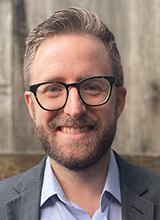
Personal Statement
My research is focused on (1) developing innovative mHealth assessments and interventions for schizophrenia-spectrum disorders and cross-diagnostic persecutory ideation, as well as (2) “engagement mHealth,” or the development of mobile health interventions that increase the likelihood that underserved populations present to and receive evidence-based treatment, with a particular focus on young adults at risk for psychosis and their families. My research is supported by a NARSAD Young Investigator Award from the Brain and Behavior Research Foundation and multiple grants from NIMH including a K23 Mentored Patient-Oriented Research Career Development Award.
Prior to my faculty position at UW, I was an Advanced Fellow in VA Health Services Research and Development and the Department of Health Services at UW. I completed my clinical psychology internship at the VA Puget Sound Health Care System, where I was awarded the APA Division 18 Outstanding VA Trainee Award. Prior to internship, I completed my undergraduate and doctoral training at the University of North Carolina at Chapel Hill. Throughout my training, I have been dedicated to services for individual with serious mental illness, with experience in an inpatient state hospital, VA psychosocial rehabilitation, intensive outpatient and dual-diagnosis clinics, and in coordinated specialty care for young people with early psychosis.
In addition to my program of research and clinical work, I am committed to clinical supervision and training. I currently lead the development of one of the first clinical training sequences designed for frontline clinicians integrating mHealth into community mental health. I was the first-ever graduate student to win UNC’s David Galinsky Award, an honor recognizing excellence in clinical supervision that had previously only ever been won by faculty. I am currently active in providing supervision in CBT to third-year psychiatry residents at UW.
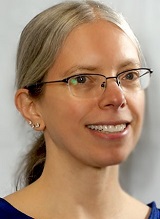
Personal Statement
My program of research focuses on understanding how psychological, social, and situational factors influence young adult substance use and also the development of brief interventions for young adults. In particular, my research investigates processes influencing substance use behaviors from day-to-day or moment-to-moment. I use different types of daily-level or ecological momentary assessment (EMA) designs to elucidate why and how substance use varies across different occasions for a given individual in relation to changes in cognitions and contextual characteristics. My program of research enhances our knowledge of the etiology of substance misuse to inform the refinement and development of brief personalized feedback interventions as well as real-time interventions.
I am currently Multiple Principal Investigator (MPI Fairlie/Ramirez) of a NIAAA-funded grant (R34AA027302) developing two versions of an online personalized feedback intervention that focuses on alcohol cue reactivity among young adult drinkers; the study includes a lab component with an alcohol cue reactivity session as well as an EMA component (daily surveys up to 4x/day over 17 days). In addition, I am the PI of a NIDA-funded grant (R21DA050131) that investigates marijuana-specific self-regulation processes in relation to marijuana use and consequences both across days and throughout the day to identify how psychological states and contextual factors influence these self-regulation processes using an EMA design (daily surveys 4x/day over 2 weeks). As PI, I completed data collection for a grant that examines unplanned heavy drinking, protective behavioral strategies, and alcohol-related consequences using daily surveys administered over eight consecutive weekends (NIAAA; R21AA024156).
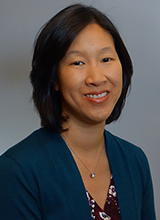
Personal Statement
The transition to adulthood is the developmental period when alcohol use, marijuana use, and their associated consequences reach their lifetime peak. My scholarly interests focus on the etiology and prevention of substance use behaviors and consequences during adolescence and young/early adulthood. I have developed a highly successful portfolio of work bridging developmental, social, and motivational theory with applied prevention and intervention techniques to strategically address high-risk behaviors during the transition to adulthood.
My research addresses important questions regarding how recent marijuana legislation in Washington State impacts young adult marijuana use and consequences; what motivates young adults to engage in alcohol and marijuana use; how alcohol expectancies, alcohol use and consequences are linked in a natural feed-forward process that maintains high-risk behaviors; how developmental transitions and event timing influence use; and what are efficacious prevention and intervention strategies and for whom and under what conditions are these most effective.