Anna Sunshine completed her medical school, graduate school and psychiatry training at the University of Washington. Her graduate training was completed in the Department of Genome Sciences where she used high-throughput sequencing approaches to study the biological effects of complex genetic changes in the model organism Saccharomyces cerevisiae.
Connecting her background in genomics with psychiatry, Dr. Sunshine’s research now focuses on identifying genetic risk factors for schizophrenia and characterizing the biological effects of these risk alleles using induced pluripotent stem cell (iPSC) systems. Dr. Sunshine engages individuals living with schizophrenia and their families in research to further our current understanding of schizophrenia biology and help lay groundwork for future treatment development.
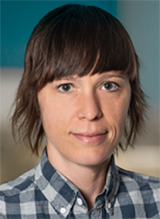
I am a child and adolescent psychiatrist at Seattle Children’s Hospital and faculty member at the University of Washington Medicine. My SCH practice locations include the Gender Clinic (Adolescent Medicine), Outpatient Psychiatry Clinic, Autism Center, and the inpatient unit- Psychiatry and Behavioral Medicine Unit (PBMU). I believe in delivering compassionate, evidence-based care in supporting patients and their families. My approach is both comprehensive and patient-centered, as it is important to consider the needs of the individual while also appreciating societal and cultural context. I specialize in working with diverse patient populations with various marginalized identities, such as those who identify as LGBTQ, gender diverse, and/or neurodiverse. I also work closely with the Adolescent Medicine Gender Clinic in supporting any mental health needs of transgender/gender diverse youth and their families. I also collaborate with colleagues in specialty medical clinics to coordinate care of medically complex patients. Additionally, I serve as a consultant with various school programs to support mental health initiatives and advocacy efforts.
Academically, I am involved with several initiatives both locally and nationally, particularly those that work to promote diversity and equity. I serve on committees supporting the SCH/UW CAP Fellowship Program, educating trainees and students through direct clinical supervision as well as with lectures and discussions. On a national level, I serve on the Sexual Orientation and Gender Identity Issues Committee (SOGIIC) for the American Academy of Child and Adolescent Psychiatry (AACAP). My clinical research focuses on finding strategies to better support the mental health and well-being of patients and families who are LGBTQ+. Additionally, I work on studies that explore the intersection between gender diversity and neuro diversity/autism spectrum.
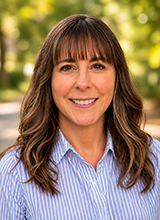
Dr. Jenness is a clinical child psychologist and Associate Professor in the Department of Psychiatry and Behavioral Sciences at the University of Washington. She earned her Ph.D. in Clinical Psychology from the University of Denver in 2015. Her past research includes NIMH-funded studies on the neural and behavioral changes that predict treatment response to behavioral activation for depressed adolescents (K23/NARSAD). As the director of the Adolescent Depression and Intervention Innovations (ADII) lab, her recent work focuses on innovative digital treatment approaches to improve adolescent depression care. Current projects include 1) adapting behavioral activation to an online platform, ActivaTeen (R03, NIMH R34); 2) leveraging paraprofessional coaching of video-guided depression care (Garvey Innovation Grant); and 3) developing and testing a digital just-in-time adaptive intervention (Sidekick; NIMH R61) as a first-step adolescent depression treatment within primary care settings. In addition to research, Dr. Jenness is an Attending Psychologist in the Mood and Anxiety Disorders Program at Seattle Children’s Hospital where she primarily treats adolescent depression and suicide. She has also trained mental health professionals at various sites around the US in the use of behavioral activation with adolescents.
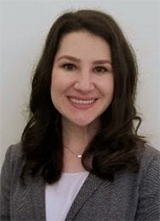
Personal Statement
I am a licensed psychologist and Assistant Professor in the Department of Psychiatry and Behavioral Sciences at the University of Washington. I received my Ph.D. from the University of Missouri, completed clinical psychology internship at the University of Washington, and subsequently was awarded an NIH-funded postdoctoral fellowship focused on brief interventions for reducing young adult alcohol use. I joined the University of Washington faculty in 2019.
My research centers on developing and testing brief prevention and intervention programs for adolescent and young adult substance misuse (including alcohol and cannabis), and co-occurring mental health concerns such as depression, PTSD, loneliness, using substances to cope with negative affect. These programs are delivered across a variety of platforms (text message, web-based, web-conferencing, in-person face-to-face) to facilitate accessibility. To inform intervention development, my work also examines etiological and contextual factors related to substance misuse and mental health, including loneliness, depression, coping motives, and barriers to accessing mental health services.
I have served as Principal Investigator on research funded by the National Institute of Alcohol Abuse and Alcoholism, as well as other grants from the University of Washington. Clinically, I work with children and adolescents presenting with depression and suicidality at Seattle Children’s Hospital in the Behavioral Health Crisis Care Clinic and in the Mood and Anxiety Program.
- Recent Grants:
- We are currently enrolling young adults ages 21-29 in Project MAX: https://sites.uw.edu/projectmax/
- Development of a behavioral economic intervention with personalized resource allocation feedback to reduce young adult alcohol misuse (PI: Cadigan, NIH/NIAAA1R34AA029478)
- Development of an interactive, we-based drinking to cope intervention and tools to assess coping skill utilization (PI: Cadigan, NIH/NIAAA R34AA028074)
Personal Statement
I am interested in mood and anxiety disorders and the intersection of these with chronic medical illnesses. My approach to treatment is integrative. Working within a cognitive-behavioral framework, I use many traditional CBT methods, including hypnosis, mindfulness training, and concepts from third-generation cognitive and behavioral methods.
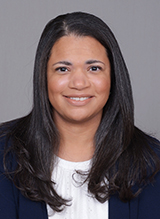
As a board-certified clinical health psychologist, I have primarily focused my clinical work on preventive medicine with special expertise in diabetes, weight management, and tobacco use cessation. I train clinicians in motivational interviewing and health coaching, and am currently a co-investigator on a research study examining an intervention with peer health coaches in the Veterans Health Administration (VHA). After nearly two decades of working in complex healthcare settings, like the VHA and serving in several leadership roles within and external to the VHA, I have grown a passion for supporting those who serve others and improving workplace well-being. I am an Associate Certified Coach and am enrolled in a Masters program in Leadership and Organizational Development. I coach leaders and individual contributors on their professional and personal goals, help teams work better together, engage clinics in identifying and implementing meaningful changes to improve workplace satisfaction.
Dr. Russell’s professional interests include ADHD, integrated/collaborative care, prevention and complementary/integrative approaches to child and adolescent mental health. He takes a holistic approach to psychiatric well-being that extends beyond medications and psychotherapy to include other evidence-based practices shown to improve brain health including regular exercise, time in nature, supportive social interactions, mind-body activities, good nutrition and sleep hygiene.
Personal Statement
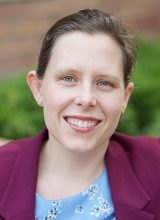
I am a board certified psychiatrist and work at Fred Hutchinson Cancer Center. I am a Clinical Assistant Professor of Psychiatry and Behavioral Sciences at the University of Washington. I obtained a fellowship in consultation-liaison psychiatry, a specialty that focuses on providing psychiatric care for people with complex medical conditions. My primary clinical focus is people with cancer.
I love my work. Being ill is a vulnerable time and my goal is to ease suffering and provide a sense of connection and understanding for all I work with. I believe in working collaboratively with patients and families. We work together to identify what the goals of treatment are. I have expertise in diagnosis, psychopharmacology and psychotherapy and adapt my recommendations to best serve the goals of the person before me.
I am also passionate about education. I am the site director at Fred Hutch Cancer Center for our Psycho-oncology Fellowship Program. I supervise Cl fellows, addiction fellows, psychiatry residents and provide education to social workers and psychology trainees.