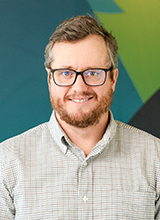
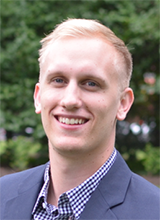
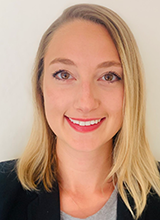
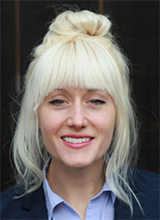
As a child and adolescent psychiatrist at the Child Study and Treatment Center, I am deeply inspired by the resilience of the youth we serve and by the collaborative spirit of our multidisciplinary teams. My work is grounded in curiosity, compassion, and respect for the complex systems that shape young people’s lives. My approach integrates evidence-based psychopharmacology with developmental and trauma-informed care, while always centering around the individual’s unique story and strengths. I value the relational and systemic dimensions of psychiatry: the interplay between family, community, and policy that influences recovery and growth. The multidisciplinary, relational model at CSTC reflects these values and continues to shape how I think about psychiatry: not only as a science, but as a deeply human endeavor.
My research focuses on how social influences shape individuals’ health behaviors in both constructive (e.g., physical activity) and risky ways (e.g., alcohol use). I take a translational approach to my research in that I aim to understand how social processes, such as normative influences, relate to behavior so that we can leverage these influences to reduce harm and improve health.
Specific areas of interest include alcohol and other substance use, mental health, and gambling/sports betting. My primary focus is helping young adults during the transition into adulthood.
I have a background in sport psychology, and am passionate about helping athletes navigate the unique stressors involved in high-level sport. In this domain, I serve as a fellow at the U.S. Center for Mental Health and Sport.
Dr. Walukevich-Dienst (hear my name) is a licensed clinical psychologist and an Assistant Professor at the University of Washington.
Her research is focused on identifying psychosocial and contextual factors associated with alcohol and cannabis misuse and co-use among young adults, including social influences (e.g., romantic partners, use partnerships), affect management motives, co-occurring mental health concerns, and high-risk substance use events and contexts.
Dr. Walukevich-Dienst aims to leverage this information to develop and test innovative, technology-informed prevention and intervention efforts to disseminate in real world settings.
She also provides psychotherapy to patients at the University of Washington’s Outpatient Psychiatry Clinic and provides supervision and training to psychology graduate students and psychiatry residents in Cognitive Behavioral Therapy.
Link to Dr. Walukevich-Dienst’s CV.
Dr. Blayney’s research aims to understand the risks for and consequences of sexual victimization. More specifically, this work centers around how social contexts influence sexual victimization risk as well as variation in post-victimization recovery, such as posttraumatic stress disorder, alcohol use, and sexual risk behaviors.

I am a child and adolescent psychiatrist at Seattle Children’s Hospital and faculty member at the University of Washington Medicine. My SCH practice locations include the Gender Clinic (Adolescent Medicine), Outpatient Psychiatry Clinic, Autism Center, and the inpatient unit- Psychiatry and Behavioral Medicine Unit (PBMU). I believe in delivering compassionate, evidence-based care in supporting patients and their families. My approach is both comprehensive and patient-centered, as it is important to consider the needs of the individual while also appreciating societal and cultural context. I specialize in working with diverse patient populations with various marginalized identities, such as those who identify as LGBTQ, gender diverse, and/or neurodiverse. I also work closely with the Adolescent Medicine Gender Clinic in supporting any mental health needs of transgender/gender diverse youth and their families. I also collaborate with colleagues in specialty medical clinics to coordinate care of medically complex patients. Additionally, I serve as a consultant with various school programs to support mental health initiatives and advocacy efforts.
Academically, I am involved with several initiatives both locally and nationally, particularly those that work to promote diversity and equity. I serve on committees supporting the SCH/UW CAP Fellowship Program, educating trainees and students through direct clinical supervision as well as with lectures and discussions. On a national level, I serve on the Sexual Orientation and Gender Identity Issues Committee (SOGIIC) for the American Academy of Child and Adolescent Psychiatry (AACAP). My clinical research focuses on finding strategies to better support the mental health and well-being of patients and families who are LGBTQ+. Additionally, I work on studies that explore the intersection between gender diversity and neuro diversity/autism spectrum.
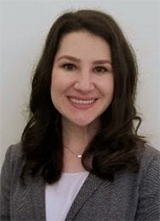
Personal Statement
I am a licensed psychologist and Assistant Professor in the Department of Psychiatry and Behavioral Sciences at the University of Washington. I received my Ph.D. from the University of Missouri, completed clinical psychology internship at the University of Washington, and subsequently was awarded an NIH-funded postdoctoral fellowship focused on brief interventions for reducing young adult alcohol use. I joined the University of Washington faculty in 2019.
My research centers on developing and testing brief prevention and intervention programs for adolescent and young adult substance misuse (including alcohol and cannabis), and co-occurring mental health concerns such as depression, PTSD, loneliness, using substances to cope with negative affect. These programs are delivered across a variety of platforms (text message, web-based, web-conferencing, in-person face-to-face) to facilitate accessibility. To inform intervention development, my work also examines etiological and contextual factors related to substance misuse and mental health, including loneliness, depression, coping motives, and barriers to accessing mental health services.
I have served as Principal Investigator on research funded by the National Institute of Alcohol Abuse and Alcoholism, as well as other grants from the University of Washington. Clinically, I work with children and adolescents presenting with depression and suicidality at Seattle Children’s Hospital in the Behavioral Health Crisis Care Clinic and in the Mood and Anxiety Program.
- Recent Grants:
- We are currently enrolling young adults ages 21-29 in Project MAX: https://sites.uw.edu/projectmax/
- Development of a behavioral economic intervention with personalized resource allocation feedback to reduce young adult alcohol misuse (PI: Cadigan, NIH/NIAAA1R34AA029478)
- Development of an interactive, we-based drinking to cope intervention and tools to assess coping skill utilization (PI: Cadigan, NIH/NIAAA R34AA028074)
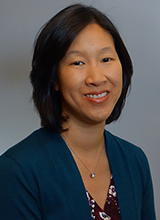
Personal Statement
The transition to adulthood is the developmental period when alcohol use, marijuana use, and their associated consequences reach their lifetime peak. My scholarly interests focus on the etiology and prevention of substance use behaviors and consequences during adolescence and young/early adulthood. I have developed a highly successful portfolio of work bridging developmental, social, and motivational theory with applied prevention and intervention techniques to strategically address high-risk behaviors during the transition to adulthood.
My research addresses important questions regarding how recent marijuana legislation in Washington State impacts young adult marijuana use and consequences; what motivates young adults to engage in alcohol and marijuana use; how alcohol expectancies, alcohol use and consequences are linked in a natural feed-forward process that maintains high-risk behaviors; how developmental transitions and event timing influence use; and what are efficacious prevention and intervention strategies and for whom and under what conditions are these most effective.
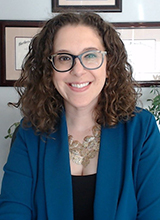
Thank you for your interest in learning more about me! My name is Dr. Ruth Varkovitzky (she/her) and I am a licensed clinical psychologist. I use a culturally sensitive evidence based approach in my clinical work; combining the best science while tailoring therapy to each individual. In the spirit of providing the highest quality of care possible, I am board certified in Behavioral and Cognitive Psychology by the American Board of Professional Psychology.
I specialize in providing therapy for trauma and sleep disorders, such as PTSD and insomnia. In addition, I offer a variety of treatments to address problems with depression, anxiety, and OCD. Supporting folks with these challenges is my passion; it’s an honor to work alongside my clients and see them heal and grow.
Public service has always been part of my journey, including collaboration with shelters for survivors of domestic violence, the Department of Veterans Affairs, the University of Washington Department of Psychiatry and Behavioral Sciences, and the Washington State Board of Psychologist Examiners. In addition to my passion for clinical work, I’ve enjoyed contributing to psychological science through academic and media publications. I established my private practice Renewal Psychology to offer my services to clients in Washington as well as the many state members of the Psychology Interjurisdictional Compact (PSYPACT).
I welcome being connected! Please reach out to me by email at: drruth@renewalpsych.com.
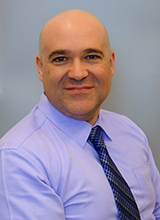
Personal Statement
I am a licensed clinical psychologist in Washington State. I am the Director of the University of Washington School of Medicine’s Psychology Internship Program which is accredited by the American Psychological Association’s Office of Program Consultation and Accreditation. And, I conduct research on health and risk behaviors across the lifespan. Specifically, I have conducted research in the areas of college student alcohol use, young adult gambling behavior, and co-morbidity of substance use and mental health/risk behaviors (i.e. risky sexual behaviors). I have extensive experience working with college students/young adults, military/veteran, and minority/diverse populations. I am also interested in mental health issues including depression, anxiety, and PTSD. I maintain an active clinical practice in the areas of mental health issues with patients diagnosed with hematological and oncological illness and have clinical responsibilities at the Fred Hutchinson Cancer Center. I also provide clinical supervision for psychology residents and psychology practicum students at Fred Hutchinson Cancer Center as well. Overall, my professional aspirations are to improve the public health through empirically-supported psychological interventions and providing mentorship to diverse trainees to expand the reach of psychology.