Treatment: Psychotherapies
Mary Hatch
Dr. Hatch is an Associate Professor at the Addictions, Drug & Alcohol Institute (ADAI), Department of Psychiatry & Behavioral Sciences, UW School of Medicine. Her research interests are in the development and testing of behavioral and pharmacologic interventions for substance use disorders and HIV prevention. In particular, her work has focused on the intersection of substance use and HIV-related sex and drug risk behaviors from both the consumer and workforce perspectives, and on implementation factors that affect uptake of interventions. She has held multiple and varied roles in research projects since 1994, and has long-standing experience developing, implementing, and overseeing large-scale multi-site clinical trials with community treatment providers. In addition to her work at the University of Washington, Dr. Hatch is a licensed clinical psychologist at UWMC Outpatient Psychiatry Clinic. Her clinical work specializes in the treatment of drug and alcohol addictions and co-occurring depression, anxiety and trauma.
Bryan Hartzler
In two decades at UW, Dr. Hartzler’s principal focus has been on the dissemination and implementation of empirically-supported health services for persons with substance use disorders. To date, this includes local, regional, national, and international collaborations, encompassing federally-funded work with diverse community-based settings (i.e., addiction care, mental health, primary and specialty medical care, criminal justice, HIV care, schools, faith-based organizations), including those affiliated with the NIDA Clinical Trials Network. As director of the UW Center for Advancing Addiction Health Services (CAAHS), he oversees a broad portfolio, including: 1) the SAMHSA-funded Northwest Addiction Technology Transfer Center (Northwest ATTC), which provides universal, targeted, and intensive technical assistance to the addiction workforce in Alaska, Idaho, Oregon, and Washington 2) regional contribution to SAMHSA’s national Opioid Response Network (ORN), 3) a host of externally-sponsored implementation projects with single-state authorities as well as other organizations, and 4) contribution to NIH-funded and intramural health services research. In professional endeavors that span a science-to-service continuum, Dr. Hartzler seeks to promote adoption and implementation of useful treatment and recovery practices in community settings where they may benefit persons with substance use disorders.
Caleb Banta-Green
Dr. Banta-Green studies substance use involving opioids and stimulants and interventions to support recovery and reduce substance-related harms. He is particularly interested in developing interventions that are accessible to all people, including those who are most marginalized, such as those who are unhoused, utilizing services syringe service programs, and/or in the criminal legal system. He provides technical assistance and evaluation services for public health and safety interventions including the website http://stopoverdose.org, and information for the general public and professionals about effective treatments at http://learnabouttreatment.org. As an epidemiologist he develops innovative approaches to measuring the use and impacts of substances as well as service utilization. His health services research involves clinical trials, implementation research, and secondary data analyses. He serves on local, state, and federal workgroups and committees related to epidemiology, policy, and interventions for illicit substance-related problems. He is a member of the U.S. Health and Human Service’s Interdepartmental Substance Use Disorders Coordinating Committee.
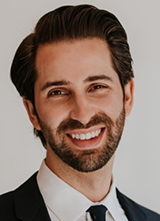
Wade Reiner
I have always been interested in the thoughts and feelings that drive us. This led me to major in Psychological and Brain Sciences at Johns Hopkins University and to later enroll in the psychiatry residency training program at Washington University in St. Louis. Since completing training, I have had an excellent experience working at UW/Harborview’s emergency and inpatient psychiatry services. My teaching interests include the psychiatric interview, documentation, and fundamentals of clinical decision-making. Clinically, I enjoy taking a holistic approach to care, utilizing interventions across behavioral changes, pharmacology, and psychotherapy.
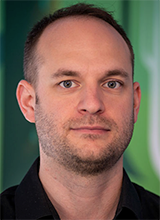
Kyrill Gurtovenko
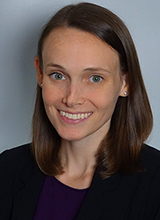
Anna Jaffe
Dr. Jaffe’s research is focused on responding to the public health problem of sexual assault and co-occurring alcohol misuse by improving understanding of survivors’ experiences and promoting recovery through novel interventions.
Taking an ecological perspective, Dr. Jaffe considers individual factors (e.g., cognitions, stress response), microsystems (e.g., interpersonal interactions, social networks), macrosystems (e.g., societal norms), and chronosystems (e.g., changes over time) that affect survivors’ recovery after sexual assault. Across these systems, she seeks to design and improve clinical interventions that support survivors’ recovery, mitigate post-assault alcohol misuse, and reduce distress.
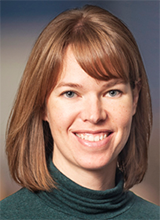
Jen Beighley
My primary research and clinical interests are in diagnosis and management of neurodevelopmental disorders, particularly, autism spectrum disorder. I am a psychologist at the Seattle Children’s Autism Center where I participate in team evaluations for children and teens with co-occurring medical or psychiatric complexity, and I also see patients through our Gender Clinic. I also work at the University of Washington’s Institute on Human Development and Disability (IHDD) where I see patients in the Infant Development Follow-up Clinic and in the Child Development Clinic. I love the interdisciplinary nature of CHDD and I am proud to be a faculty mentor for the LEND program (Leadership Education in Neurodevelopmental and Related Disabilities). Overarchingly, I am invested in learning more about how to support individuals and families, how to embrace the neurodiversity movement, encourage affirming care where strengths are celebrated, and work toward equitable treatment for the families I serve.
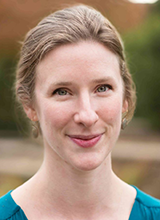
Sarah Campbell
My research broadly seeks to understand the ways in which our social and romantic relationships intersect with physical and mental health. Additionally, I work in treatment development and evaluation with the aim of improving and harnessing social relationships to increase physical and mental wellbeing. I was recently funded by a 5-year Career Development Award through VA HSR&D. This award aims to both improve clinicians’ measurement of social relationships in the context of mental health care and modify and test brief, Primary Care-based interventions for PTSD and social support. In this line of research, I am PI of an HSR&D and VAPS R&D-funded nationwide survey of veterans both with and without PTSD that seeks to collect psychometric and acceptability data on social support instruments for future use in measurement-based care. I am also collaborating with colleagues in HSR&D to develop and test a dyadic intervention for improving health behavior. I am lucky to provide clinical care as a staff psychologist in the PTSD Outpatient Clinic at VA Puget Sound, where I deliver individual, group, and couples treatments for PTSD and provide psychoeducation on trauma and related conditions to loved ones of veterans with PTSD.
Nancy Lau
I am a clinical psychologist and researcher. My research focuses on pediatric psychology, intervention science, and leveraging digital technologies to disseminate and implement evidence-based psychosocial interventions for children, teens, and young adults with serious medical conditions and co-occurring anxiety, stress, and depression. Digital mental health care initiatives have the potential to scale-up interventions and overcome structural barriers and unequal access to psychosocial care. Current and future research investigations aim to help improve patient and family coping skills, psychosocial well-being, and quality of life by developing and implementing evidence-based mental health interventions.