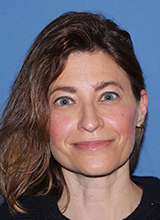
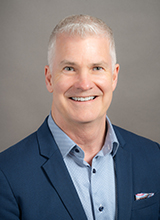
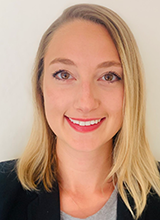
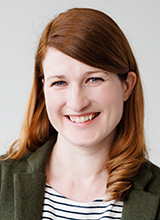
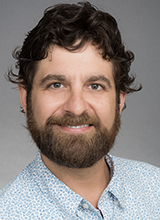
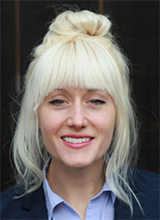
My clinical and research interests are strongly anchored in efforts to improve the quality of life and coping of children and adolescents with chronic illness. As a pediatric psychologist at Seattle Children’s Hospital, I provide assessment and intervention services to patients within the Heart Failure and Heart Transplant Program. My role involves assisting with issues such as adherence to medical regimens, teaching long-term stress reduction strategies to families, and empowering adolescents as they move toward adulthood and assume greater responsibility for their care. I am currently involved in QI projects including screening for psychological coping and risk factors as well as to help prepare our patients for transition to adult transplant programs.
My clinical and research work focus on ways to improve care for children with complex neurodevelopmental and behavioral concerns, especially in the context of prenatal substance exposures and fetal alcohol spectrum disorders (FASD).
Current projects include developing training to reduce stigma and improve accurate retrospective screening for prenatal alcohol exposure; examining factors influencing response to the Families Moving Forward Program for FASD; and, evaluating the clinical utility of the proposed diagnosis ND-PAE.
Dr. Walukevich-Dienst (hear my name) is a licensed clinical psychologist and an Assistant Professor at the University of Washington.
Her research is focused on identifying psychosocial and contextual factors associated with alcohol and cannabis misuse and co-use among young adults, including social influences (e.g., romantic partners, use partnerships), affect management motives, co-occurring mental health concerns, and high-risk substance use events and contexts.
Dr. Walukevich-Dienst aims to leverage this information to develop and test innovative, technology-informed prevention and intervention efforts to disseminate in real world settings.
She also provides psychotherapy to patients at the University of Washington’s Outpatient Psychiatry Clinic and provides supervision and training to psychology graduate students and psychiatry residents in Cognitive Behavioral Therapy.
Link to Dr. Walukevich-Dienst’s CV.
Koriann Cox, Ph.D. graduated from Northeastern University and is licensed in the state of Washington. She completed a postdoctoral fellowship in co-occurring addiction and mental health and has a range of clinical experience with a variety of concerns including depression, anxiety, trauma, reproductive mental health, and substance and behavioral addictions. Dr. Cox’s strengths-focused approach emphasizes the mutual development of goals for therapy and ongoing collaboration between herself, the patient, and the care team. Dr. Cox uses a number of therapeutic modalities including but not limited to Cognitive Behavioral Therapy, Acceptance and Commitment Therapy, and Cognitive Processing Therapy.
I am a child and adolescent psychiatrist with interests in medical education, infant and early childhood mental health, and psychotherapy. I direct psychotherapy training for child and adolescent psychiatry (CAP) fellows, co-lead the CAP fellows’ didactic curriculum, and coordinate the CAP training experiences of general psychiatry residents.
My clinical work includes treatment in the outpatient setting for young children through adolescents, working closely with their families. I am passionate about psychiatrists supporting families comprehensively. I seek to use not only medications (if appropriate) but also behavioral/psychotherapeutic approaches.
I have done research on expanding behavioral treatments for young children by involving peer supports—caregivers who have previously participated in the programs for their own children—as members of the care team.
Nathan Sackett, MD, MS is trained as an addiction psychiatrist, focusing on the intersection between substance use and psychiatric disorders. He attended medical school and nursing school at UCSF, graduate school at UC Berkeley and completed his adult psychiatry residency and addiction psychiatry fellowship at the University of Washington. He is now a junior faculty at the University of Washington in the Department of Psychiatry and Behavioral Sciences where he splits his time between seeing patients and research. Clinically, he works primarily outpatient seeing a range of patients with primary psychiatric issues and substance use disorders. His research focuses on the use of psychedelics to treat substance use disorders with a particular interest in how psychedelics can augment the psychotherapeutic process and facilitate behavioral change. When he is not working, he is spending time with his family and playing in the ocean.
Dr. Blayney’s research aims to understand the risks for and consequences of sexual victimization. More specifically, this work centers around how social contexts influence sexual victimization risk as well as variation in post-victimization recovery, such as posttraumatic stress disorder, alcohol use, and sexual risk behaviors.
I am a clinical psychologist with board certification in geriatric psychology. I am based in the Geriatrics and Extended Care Service of the VA Puget Sound Healthcare System.