Personal Statement
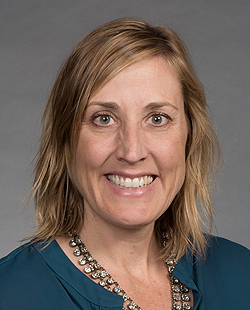
Dr. Gudmundsen works at Seattle Children’s with a focus on adolescents with mood disorders. She is based in the Mood and Anxiety Program and mostly works with adolescents with depression and suicidality, in addition to anxiety and bipolar spectrum disorders. This work almost always involves parents and families, in addition to other key players such as teachers or medical providers. She typically administers BA, CAMS, or CBT, but also does some IPSRT with youth with mania. In addition to serving as the Child Track Training Coordinator for the UW Psychology Internship, she is also an outpatient supervisor for Psychology Residents and Postdoctoral Fellows. She also provides consultation to the Child Psychiatry Fellows, Medical Students and to School-Based Mental Health Therapists in the Seattle Public Schools. She is involved with program development for trainees, as well as the Mood and Anxiety Specialty Program. Her research focuses on developing and tailoring interventions for adolescent depression, including the Adolescent Behavioral Activation Program (A-BAP).
Personal Statement
I am a clinical psychologist with the Veterans Health Administration (VHA). I research, teach, and practice telemedicine to expand access to evidence based care, particularly to underserved populations.
Personal Statement
My clinical work and research are focused on helping youth with ADHD and their families be resilient and successful. Specifically, I am interested in creating and disseminating behavioral treatments for ADHD and disruptive behavior that are accessible and engaging for families. I enjoy consulting and training with providers in a variety of settings, including integrated primary care, to offer treatments that provide immediate help to their patients. My current research focuses on improving family relationships and health outcomes for youth with ADHD, including preventing risk behaviors and improving active and healthy lifestyles.
I am a Professor in the Department of Psychiatry and Behavioral Sciences and I work as the Deputy Associate Chief of Staff for Mental Health at the VA Puget Sound Health Care System. I am a licensed clinical psychologist. My research is focused on studying mental health technologies to support Veterans, Service Members, their families, and the health care staff that treat them. I research mobile applications, virtual reality, virtual standardized patients, and other innovative approaches to improve mental health education and services. I have conducted DoD and VA funded research and focus on applied interventions that may have promise to make a difference in the lives of those we serve. I am an Army Veteran and current behavioral health officer in the Washington State Army National Guard.
Personal Statement
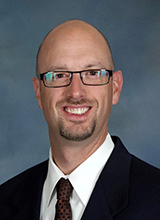
Dr. Sylvers serves as the Director of Psychology Training at the Veterans Affairs Puget Sound Health Care System, American Lake Division. His primary research interests include personality and its relation to treatment outcomes, treatment outcomes related to trauma and anxiety related disorders, and the etiology and treatment of aggressive behavior. Dr. Sylvers also serves as a consultant for the Department of Veterans Affairs Acceptance and Commitment Therapy for Depression training initiative.
Personal Statement
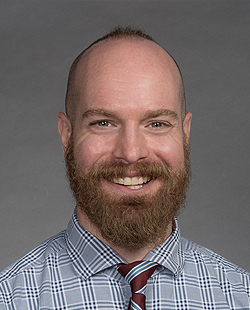
I am a basic neuroscientist, a board-certified practicing psychiatrist, and an Assistant Professor of Psychiatry and Behavioral Sciences at the University of Washington Medical School. The goal of my research is to investigate the neural circuitry of cognitive, emotional and memory processing, particularly as it relates to the cerebellum, and illnesses affecting cerebellum including cognitive disorders, PTSD, TBI and dementia through the implementation of techniques in mouse behavioral genetics. In my clinical practice, I primarily see veterans with PTSD, mild cognitive impairment, and various forms of dementia in an outpatient clinic at the VAMC Puget Sound Geriatric Research, Education, and Clinical Center (GRECC) in Seattle. I have over 15 years of experience in basic science research with most of that time dedicated to the use of mouse models of neuropsychiatric disorders.
Throughout my training prior to and during graduate school, I gained background in many contemporary molecular and biochemical lab techniques, such as molecular cloning, protein biochemistry, protein crystal production, fluorometric measurement of protein kinetics, in vivo NMR spectroscopy, gene targeting, microarray genomics, immunohistochemistry, and mammalian cell culture. I have a foundation in mouse genetics, neural development, and behavior which I developed in Michael Georgieff’s lab by investigating the role of iron in developing pyramidal neurons of the mouse hippocampus. During graduate training, I also received cross-training in child psychological development. In graduate school, I developed two mouse models of nonanemic neuron specific iron deficiency: 1) a conditional knockout of the Slc11a2 gene, encoding the iron transporter DMT-1 in forebrain neurons, including hippocampal pyramidal neurons, and 2) a transgenic mouse with a reversibly inducible dominant negative (nonfunctional) form of the transferrin receptor expressed only in hippocampal pyramidal neurons. I utilized and implemented different versions of the Morris Water Maze to study learning deficits in these mouse models of perinatal brain iron deficiency, a condition that is often a consequence of diabetes during pregnancy.
During my residency training, I expanded my knowledge of neuropsychiatric disorders by directly evaluating and treating patients with neuropsychiatric disorders including PTSD, schizophrenia, Alzheimer’s disease, autism, major depression, substance abuse disorders, and personality disorders. I learned numerous pharmacological, neuromodulatory, and psychotherapeutic interventions and participated in the internally funded Neuroscience Research Track. I then received a NIMH career development award (K08) mentored by Larry Zweifel, Ph.D. In that position, I investigated interactions between catecholamines and the cerebellum in decision making, emotional and cognitive processing. In the 5 years I was in Dr. Zweifel’s lab, I learned many additional new techniques including use of viral vectors, in vivo electrophysiology, and several operant- and threat-based behaviors, and moved forward in my goal of becoming a physician scientist isolating important circuits underlying etiology of specific domains of behavioral function. This work culminated in my receiving an RO1 independent investigator award, without any gap in funding.
My current research utilizes mouse behavior, in vivo electrophysiological recordings, gene targeting, viral vectors, translational profiling, chemo- and optogenetic tools, site-specific intracranial viral vector injection, and protein chemistry. I am now forging my path as an independent investigator, and my primary goal is to understand cerebellar circuits as they relate to psychiatric and neurodegenerative illnesses and utilize this knowledge to inform and improve current and novel psychiatric illnesses, primarily in cognitive and emotional domains. As such, I am pursuing a multidisciplinary approach combining genetic, electrophysiological, pharmacological, and behavioral techniques.
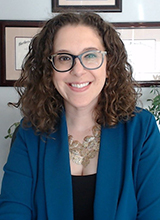
Thank you for your interest in learning more about me! My name is Dr. Ruth Varkovitzky (she/her) and I am a licensed clinical psychologist. I use a culturally sensitive evidence based approach in my clinical work; combining the best science while tailoring therapy to each individual. In the spirit of providing the highest quality of care possible, I am board certified in Behavioral and Cognitive Psychology by the American Board of Professional Psychology.
I specialize in providing therapy for trauma and sleep disorders, such as PTSD and insomnia. In addition, I offer a variety of treatments to address problems with depression, anxiety, and OCD. Supporting folks with these challenges is my passion; it’s an honor to work alongside my clients and see them heal and grow.
Public service has always been part of my journey, including collaboration with shelters for survivors of domestic violence, the Department of Veterans Affairs, the University of Washington Department of Psychiatry and Behavioral Sciences, and the Washington State Board of Psychologist Examiners. In addition to my passion for clinical work, I’ve enjoyed contributing to psychological science through academic and media publications. I established my private practice Renewal Psychology to offer my services to clients in Washington as well as the many state members of the Psychology Interjurisdictional Compact (PSYPACT).
I welcome being connected! Please reach out to me by email at: drruth@renewalpsych.com.
Personal Statement
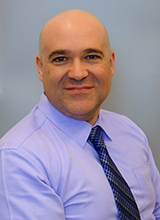
I am a licensed clinical psychologist in Washington State. I am the Director of the University of Washington School of Medicine’s Psychology Internship Program which is accredited by the American Psychological Association’s Office of Program Consultation and Accreditation. And, I conduct research on health and risk behaviors across the lifespan. Specifically, I have conducted research in the areas of college student alcohol use, young adult gambling behavior, and co-morbidity of substance use and mental health/risk behaviors (i.e. risky sexual behaviors). I have extensive experience working with college students/young adults, military/veteran, and minority/diverse populations. I am also interested in mental health issues including depression, anxiety, and PTSD. I maintain an active clinical practice in the areas of mental health issues with patients diagnosed with hematological and oncological illness and have clinical responsibilities at the Fred Hutchinson Cancer Center. I also provide clinical supervision for psychology residents and psychology practicum students at Fred Hutchinson Cancer Center as well. Overall, my professional aspirations are to improve the public health through empirically-supported psychological interventions and providing mentorship to diverse trainees to expand the reach of psychology.