I work at Fred Hutchinson Cancer Center in the outpatient clinic. I primarily practice from an Acceptance and Commitment Therapy (ACT) perspective. The cancer experience can be emotional. I find deep purpose in supporting patients to improve their quality of life and coping strategies as they face one of life’s most challenging experiences. I like to work with patients on identifying their values and then guide them towards action even when experiencing treatment challenges or uncertainty about the future. My research interests are in stress and health, particularly in the relation of cancer-related PTSD symptoms and pain on health outcomes among cancer survivors. I also have training in telepsychology, rural mental health, substance use, and mental health integration in primary care clinics through a HRSA funded grant in graduate school and internship training at a federally qualified health center (FQHC). On fellowship, I provided inpatient consultation liaison psychotherapy. My hobbies include running, swimming, yoga, and baking.
Treatment: Crisis intervention
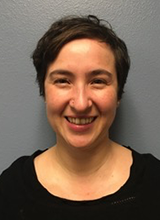
Rie Sharky
Rie Sharky, MD, is a board-certified child and adolescent psychiatrist at the Child Study and Treatment Center through the Behavioral Health Administration of the Washington State Department of Social and Health Services. There she provides inpatient psychiatric care across developmental stages, with particular interest in working with the youngest youth and extensive experience caring for older children, adolescents, and transitional-age youth. She enjoys working with individuals of all ages and their families, especially in the context of complex medication regimens and significant psychosocial and systemic challenges.
Dr. Sharky is committed to improving outcomes for young people facing complex mental health needs and structural barriers to care. Her clinical approach emphasizes the development of meaningful, collaborative therapeutic relationships with youth and the caregivers and systems that support them.

Dani Dahyeon Kang
Dr. Dahyeon Kang is an Assistant Professor at the University of Washington School of Medicine. She earned her doctoral degree from the University of Illinois at Urbana-Champaign, where her work focused on the etiology of alcohol and substance use disorders through multimodal research methods, including alcohol administration, neuroimaging, transdermal biosensors, and ecological momentary assessments. At the University of Washington’s Department of Psychiatry, Dr. Kang investigates how individual and social factors interact to influence alcohol and cannabis use behaviors.
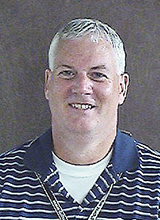
Scott Hansen
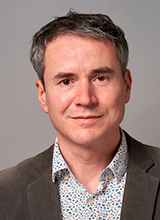
Robin Berger
I am a child and adolescent psychiatrist committed to improving outcomes for young people who face complex difficulties and systemic barriers. As a clinician, I aim to establish meaningful therapeutic relationships with young people and those supporting them, while also working to advocate for public policy and health systems that improve access to quality mental healthcare.
My main role includes providing inpatient care to older adolescents at the Child Study and Treatment Center through the Behavioral Health Administration, Washington State Department of Social and Health Services, and acting as training lead for psychiatry at this site. My clinical interests include the transition from adolescence to adulthood, the emergence of mood disorder and psychosis, early intervention for personality disorder, and developmental disabilities. I have academic interest in medical education, health service development, and the social determinants of mental health.
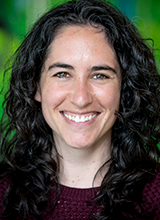
Miriam Rubenson
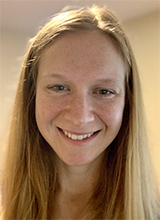
Sarah Danzo
My research broadly aims to better understand the etiology of depression and risk behaviors such as suicide and substance use across development, and translate findings to inform prevention and intervention strategies for youth and families. My work focuses on partnering with communities and primary care clinics to improve access to and use of effective mental health services.
My current projects include studies focused on adapting and evaluating suicide prevention intervention and implementation strategies for use with adolescents and their families in primary care and outpatient medical settings, including developing and adapting brief, just-in-time, and digital interventions to expand access to services.
In addition to research, I am also a clinical psychologist in the Mood and Anxiety Disorders Program and the Crisis Care Clinic at Seattle Children’s Hospital.
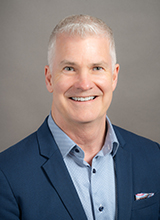
Bill O’Connell
As part of my faculty appointment, I am Director of the Behavioral Health Support Specialist (BHSS) Workforce Development Project. My responsibilities include oversight of curriculum development, practicum guidelines, development of community partnerships and advocacy for reimbursement pathways.
Behavioral Health Support Specialist Workforce Development Project
I am working with a talented project team to develop a competency framework and curriculum to prepare a bachelor level Behavioral Health Support Specialist (BHSS). A BHSS will deliver brief, culturally responsive, evidence-informed interventions for common mental and behavioral health conditions under supervision in a team-based setting. The BHSS will use a measurement-based care approach to ensure patients are receiving the right level of care at the right dose. Crisis services, integrated care and specialty behavioral healthcare are examples of work environments that will benefit from a BHSS. Our project goal is to support higher educational programs across the state implement the BHSS clinical training program in academic year 25-26. During my time working as a primary care behavioral health consultant, I frequently met with senior patients from diverse backgrounds who had never spoken with a behavioral health provider in their lifetime despite experiencing moderate to severe symptoms of a mental or behavioral health condition. One reason I found unacceptable was lack of access to services. The bachelor level Behavioral Health Support Specialist role is one solution of many to improving access to care and expanding the available workforce.
My current scholarship focuses on behavioral health workforce development and best practices in teaching and training bachelor level intervention specialists for behavioral health settings. In addition to my current role as BHSS project co-investigator, I served as principal investigator for a philanthropic gift from Robert Craves to expand access to school counseling services at Bailey Gatzert Elementary School in the Yesler Terrace neighborhood of Seattle. I also engaged in community-based research with Village Spirit Center for Community Change and Healing located in the Central District to produce a mental health needs assessment for residents who had experienced homelessness prior to obtaining secure housing. Previous peer reviewed publications focused on counselor preparation for employment in behavioral health agencies, best practices in counselor preparation and ethical dilemmas in counselor practice.
Certification and Licensure
I am a Licensed Mental Health Counselor (LMHC) in the State of Washington and a Licensed Professional Counselor (LPC) in Colorado. Additionally, I am a National Certified Counselor (NCC), and an Approved Clinical Supervisor (ACS) through the National Board of Certified Counselors and the Center for Credentialing and Education.
Career Roles
- Associate Professor (WOT), Psychiatry and Behavioral Sciences, University of Washington, Seattle, Washington (2022-Present)
- Regional Director of Behavioral Health and Primary Care Behavioral Health Consultant for One Medical Seniors, Washington and Colorado Markets (2018-2021)
- Founding Chair, Department of Leadership and Professional Studies, Seattle University, Seattle, Washington (2014-2017)
- Associate Professor with Tenure of Clinical Mental Health and School Counseling, Seattle University, Seattle, Washington (2010-2019)
- Associate Professor with Tenure of Clinical Mental Health and School Counseling at Xavier University in Ohio (2006-2010)
- Assistant Professor, Clinical Mental Health and School Counseling, Xavier University, Cincinnati, Ohio (2001-2006)
- Past President of the Ohio Counseling Association (2006-2009)
- Continuous Adjunct Instructor, Community and School Counseling at Xavier University, Cincinnati, Ohio (1994-2001)
- Founding Assistant Clinical Director for Talbert House Inc. (1998-2001)
- *Private Practice Therapist and Consultant, Cincinnati, Ohio (1997-2010)
- Adjunct Instructor, University of Cincinnati College of Evening and Continuing Education (1997-2000)
- Adult Therapist, Clermont Counseling Center in Milford, Ohio (1994-1997)
- Crisis Intervention Specialist for Talbert House Inc., Cincinnati, Ohio (1990-1993)
- Adult Therapist, Care Unit Chemical Dependency Hospital, Cincinnati, Ohio (1988-1990)
- Clinical Pastoral Education Intern, Children’s Hospital Medical Center, Cincinnati, Ohio (1988)
*I owned a private practice in the Greater Cincinnati Area for twelve years providing behavioral medicine consultation in an integrated pain management practice, clinical consultation to behavioral health organizations, and training and education on ethical and professional issues for mental health providers. Additionally, I provided individual, couple and family counseling in a group psychology practice with a special focus on serving the LGBTQI+ community and persons with trauma history.
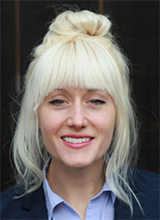
Jessica A. Blayney
Dr. Blayney’s research aims to understand the risks for and consequences of sexual victimization. More specifically, this work centers around how social contexts influence sexual victimization risk as well as variation in post-victimization recovery, such as posttraumatic stress disorder, alcohol use, and sexual risk behaviors.
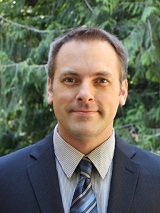
David D. Luxton
My primary areas of research include artificial intelligence, AI/machine ethics, behavioral health technologies, telemedicine, telehealth, forensic psychology, and military and Veteran population health. I’ve consulted widely on the topic of military and veteran health and technology in healthcare and have helped to develop national guidelines for telemental health, clinical best practices for technology-based treatments, and standards for human-AI interaction transparency. My vision is to build, and help others to build, technologies that help promote behavioral change and that improve the lives of people.