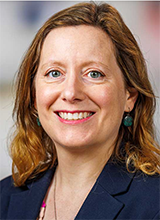
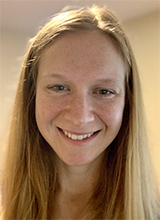
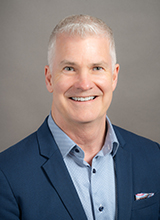
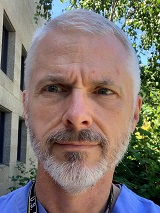
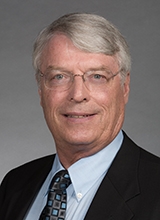
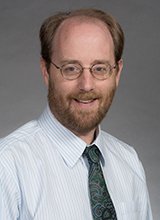
I am a consult psychiatrist and clinical instructor at the Fred Hutch Cancer Center. I work with people undergoing active cancer care. I previously practiced in the VA outpatient mental health clinic with veterans with mood disorders, anxiety, post-traumatic stress disorder, and chronic and serious mental illness. I recently worked as a consult psychiatrist with the Swedish Primary Care Clinics, address a wide variety of concerns in a collaborative behavioral health care setting. I enjoy being a part of medical education, both learning and teaching. However, patient care always comes first.
My research broadly aims to better understand the etiology of depression and risk behaviors such as suicide and substance use across development, and translate findings to inform prevention and intervention strategies for youth and families. My work focuses on partnering with communities and primary care clinics to improve access to and use of effective mental health services.
My current projects include studies focused on adapting and evaluating suicide prevention intervention and implementation strategies for use with adolescents and their families in primary care and outpatient medical settings, including developing and adapting brief, just-in-time, and digital interventions to expand access to services.
In addition to research, I am also a clinical psychologist in the Mood and Anxiety Disorders Program and the Crisis Care Clinic at Seattle Children’s Hospital.
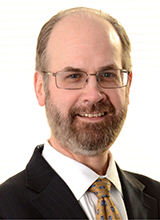
Dr. Charles Engel is Professor in the Department of Psychiatry and Behavioral Sciences at the University of Washington School of Medicine, Core VA HSR Investigator in the Seattle Center for Innovation, Co-Director of the Center’s Advanced Fellowship on Health Systems Research, and Adjunct Physician Policy Researcher at the RAND Corporation. Engel’s work focuses on trauma-informed health systems and strategies for improving the quality of primary care for chronic mental and physical health conditions. His research has covered traumatic injury and post-trauma syndromes ranging from blast injury, mild traumatic brain injury and Gulf War syndrome to PTSD and depression. Engel is experienced at mixed qualitative and quantitative methods and has led large pragmatic randomized trials, program evaluations, and implementation science studies. He has authored or coauthored nearly 200 scholarly papers, including in the New England Journal of Medicine, JAMA, and the American Journal of Psychiatry. Funding for his work has come from the National Institutes of Health, Centers for Disease Control, Department of Veterans Affairs, Department of Defense and other organizations. Before joining UW Psychiatry and the AIMS Center in 2021, Dr. Engel was Senior Physician Policy Researcher at the RAND Corporation from 2013 to 2020 and Associate Chair (Research) at Uniformed Services University’s Department of Psychiatry from 2001-2013. Engel has served on the board of directors of the International Society for Traumatic Stress Studies, has testified twice before Congress, received a number of awards, and delivered invited lectures in over 10 countries. He received both his MD and MPH from the University of Washington.
I am a clinical psychologist with board certification in geriatric psychology. I am based in the Geriatrics and Extended Care Service of the VA Puget Sound Healthcare System.
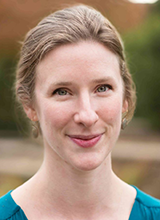
My research broadly seeks to understand the ways in which our social and romantic relationships intersect with physical and mental health. Additionally, I work in treatment development and evaluation with the aim of improving and harnessing social relationships to increase physical and mental wellbeing. I was recently funded by a 5-year Career Development Award through VA HSR&D. This award aims to both improve clinicians’ measurement of social relationships in the context of mental health care and modify and test brief, Primary Care-based interventions for PTSD and social support. In this line of research, I am PI of an HSR&D and VAPS R&D-funded nationwide survey of veterans both with and without PTSD that seeks to collect psychometric and acceptability data on social support instruments for future use in measurement-based care. I am also collaborating with colleagues in HSR&D to develop and test a dyadic intervention for improving health behavior. I am lucky to provide clinical care as a staff psychologist in the PTSD Outpatient Clinic at VA Puget Sound, where I deliver individual, group, and couples treatments for PTSD and provide psychoeducation on trauma and related conditions to loved ones of veterans with PTSD.

I am a child and adolescent psychiatrist at Seattle Children’s Hospital and faculty member at the University of Washington Medicine. My SCH practice locations include the Gender Clinic (Adolescent Medicine), Outpatient Psychiatry Clinic, Autism Center, and the inpatient unit- Psychiatry and Behavioral Medicine Unit (PBMU). I believe in delivering compassionate, evidence-based care in supporting patients and their families. My approach is both comprehensive and patient-centered, as it is important to consider the needs of the individual while also appreciating societal and cultural context. I specialize in working with diverse patient populations with various marginalized identities, such as those who identify as LGBTQ, gender diverse, and/or neurodiverse. I also work closely with the Adolescent Medicine Gender Clinic in supporting any mental health needs of transgender/gender diverse youth and their families. I also collaborate with colleagues in specialty medical clinics to coordinate care of medically complex patients. Additionally, I serve as a consultant with various school programs to support mental health initiatives and advocacy efforts.
Academically, I am involved with several initiatives both locally and nationally, particularly those that work to promote diversity and equity. I serve on committees supporting the SCH/UW CAP Fellowship Program, educating trainees and students through direct clinical supervision as well as with lectures and discussions. On a national level, I serve on the Sexual Orientation and Gender Identity Issues Committee (SOGIIC) for the American Academy of Child and Adolescent Psychiatry (AACAP). My clinical research focuses on finding strategies to better support the mental health and well-being of patients and families who are LGBTQ+. Additionally, I work on studies that explore the intersection between gender diversity and neuro diversity/autism spectrum.
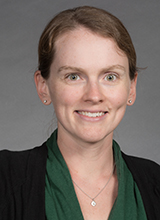
I am a child and adolescent psychiatrist with experience in delivering evidence based care for youth with psychiatric disorders. My clinical work is primarily in the outpatient setting and I have experience with telehealth, community mental health, consultation to primary care and developing integrated care systems with pediatricians. I am a psychiatrist on the Partnership Access Line, which provides phone consultation regarding diagnosis and treatment to pediatricians and other primary care physicians throughout Washington, Wyoming and Alaska. I have worked as part of an integrated care team by providing consultation in person at Kent-Des Moines and Roosevelt clinics. I have expertise in the treatment of common childhood psychiatric disorders and I am particularly interested in treating anxiety and ADHD. I am also trained in cognitive behavioral therapy (CBT) and dialectical behavioral therapy (DBT) and incorporate this background in my work. I value working collaboratively with patients and their families to make a decision about treatment options based on the best evidence we have for safe and effective treatment.
Academically, I have enjoyed being part of the fellowship training program teaching about Integrated Care and currently co-chair the child and adolescent curriculum for the University of Washington Integrated Care Fellowship.
Personal Statement
I am a Professor of Psychiatry and Director of the Addictions Division in the Department of Psychiatry and Behavioral Sciences at the University of Washington School of Medicine in Seattle, Washington. I am also the clinical director of addictions treatment services at Harborview Medical Center, and work in the psychiatric rehabilitation and recovery services.
I am board-certified in Psychiatry by the American Board of Psychiatry and Neurology with Added Qualifications in Addiction Psychiatry, and the American Board of Addiction Medicine. A Distinguished Fellow of the American Psychiatric Association and a Fellow of the American Society of Addiction Medicine, I am on the editorial board and a reviewer for several scientific journals and holds a number of research grants from the National Institute of Health.
Robert Hilt, MD is a Professor in the UW Department of Psychiatry and Behavioral Sciences and a psychiatrist at Seattle Children’s Hospital. He is the program director for the Partnership Access Line (PAL), a child mental health consultation service for primary care providers in Washington, Wyoming and Alaska. He is the Program Director for the Medicaid Medication Second Opinion Programs of Wyoming, Washington and Alaska, and Multidisciplinary Team (MDT) Psychiatric Consult Service in Wyoming for children in foster care. He has been involved in several collaborative care projects, in school support projects, and has helped to establish a statewide mental health referral service in Washington. Dr. Hilt’s primary interest is to increase professional collaboration between child psychiatrists and pediatric medical providers, and to increase access to high quality care.