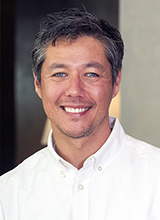
As a clinical and quantitative psychologist, my work bridges statistical practice and psychological theory to better identify for whom, under what conditions, and why substance-related health disparities are greatest across development. My substantive research seeks to understand how individual differences in stress and developing self-regulation shape substance use and disorder from adolescence through young adulthood, and how these associations explain substance use disparities among sexual and gender minoritized communities. Stemming from this work, my methodological research is centered on improving the analysis and interpretation of nonlinear effects spanning parametric and non-parametric methodologies.
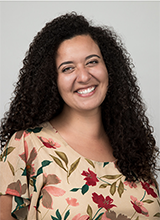
I am a faculty member and licensed clinical psychologist in the University of Washington’s Department of Psychiatry and Behavioral Sciences. Before joining this department, I completed my Ph.D. in clinical psychology at Purdue University, residency at the University of Washington, and fellowship at the University of Pennsylvania.
My research interests primarily center around romantic relationship functioning and personality disorder (PD) measurement. My line of PD research centers around how the use of a trait-based, dimensional approach to assessing and measuring PDs may increase construct validity, reliability, and diagnostic accuracy relating to PDs. My romantic relationship research centers around how romantic relationship functioning and interpersonal behaviors are associated with psychopathology diagnoses and symptoms.
As a clinician, I specialize in treating suicidality and self-harm using comprehensive Dialectical Behavior Therapy; in treating PTSD using Cognitive Processing Therapy and Prolonged Exposure; and in treating anxiety-related disorders using exposure therapies like Exposure and Response Prevention for OCD and Exposure for Social Anxiety. I am also passionate about providing couples’ therapy.
Dr. Blayney’s research aims to understand the risks for and consequences of sexual victimization. More specifically, this work centers around how social contexts influence sexual victimization risk as well as variation in post-victimization recovery, such as posttraumatic stress disorder, alcohol use, and sexual risk behaviors.

I am a child and adolescent psychiatrist at Seattle Children’s Hospital and faculty member at the University of Washington Medicine. My SCH practice locations include the Gender Clinic (Adolescent Medicine), Outpatient Psychiatry Clinic, Autism Center, and the inpatient unit- Psychiatry and Behavioral Medicine Unit (PBMU). I believe in delivering compassionate, evidence-based care in supporting patients and their families. My approach is both comprehensive and patient-centered, as it is important to consider the needs of the individual while also appreciating societal and cultural context. I specialize in working with diverse patient populations with various marginalized identities, such as those who identify as LGBTQ, gender diverse, and/or neurodiverse. I also work closely with the Adolescent Medicine Gender Clinic in supporting any mental health needs of transgender/gender diverse youth and their families. I also collaborate with colleagues in specialty medical clinics to coordinate care of medically complex patients. Additionally, I serve as a consultant with various school programs to support mental health initiatives and advocacy efforts.
Academically, I am involved with several initiatives both locally and nationally, particularly those that work to promote diversity and equity. I serve on committees supporting the SCH/UW CAP Fellowship Program, educating trainees and students through direct clinical supervision as well as with lectures and discussions. On a national level, I serve on the Sexual Orientation and Gender Identity Issues Committee (SOGIIC) for the American Academy of Child and Adolescent Psychiatry (AACAP). My clinical research focuses on finding strategies to better support the mental health and well-being of patients and families who are LGBTQ+. Additionally, I work on studies that explore the intersection between gender diversity and neuro diversity/autism spectrum.
Personal Statement
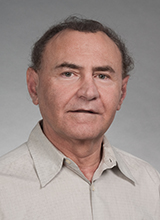
Over the last 25 years, my work has focused on relationships between stress and health in several risk groups (spouse caregivers of persons with Alzheimer’s disease, medical students, psychiatric/medical outpatients/inpatients, air traffic controllers, and camp counselors). We have developed and/or revised measures of medical student stress, caregiver burden, patient anger/dyscontrol, process coping, appraisal, neuropsychological function and physician awareness of patient problems. These measures have been used by university researchers, insurance companies, pharmaceutical companies in clinical trials, prisons, nursing homes/long term care, rehabilitation facilities, and public health organizations. These psychosocial and behavioral measures have been shown to predict and be predicted by physiological and cognitive measures. We have also focused on moderators of such relationships, such as gender, personality, and co-morbidities. We have used primarily multicohort long-term studies that allow for interactions between exposures to stressors, hard-wired vulnerabilities, and more temporal resources. We attempted to identify mechanisms that can be potentially altered to have long-term public health significance in persons under chronic stress. I have also attempted to isolate groups that are at high risk for negative outcomes. In a perfect world, interventions should be used to help all persons who have deleterious responses to stress, but society cannot afford this. For this reason, the identification of high risk groups is imperative for maximizing the effect of interventions.
My research program’s long range goal is to better understand the mechanisms by which chronic stress translates into physical, mental, or cognitive health problems. We are examining caregivers of spouses with AD and demographically-similar spouse non-caregivers across time and assessing the degree to which elevated depression, stress hormones, inflammation, and insulin resistance in caregivers predict cognitive decline in caregivers relative to non-caregivers. We are also attempting to replicate our earlier work that showed that chronic stress and chronic disease moderate each other’s physiological risks. For example, physiological dysregulation that is specific to a disease (e.g., metabolic syndrome with CHD, blood pressure reactivity with hypertension, and immune function with cancer history, HbA1c with diabetes) is exacerbated in caregivers with a chronic disease relative to non-caregivers with a chronic disease, but no such differences occur in caregivers versus non-caregivers without a chronic disease. Finally, we are examining a large cohort of older adults sampled from various U.S. communities in order to assess the influence of life stressors on long term cognitive function and potential mediators of such changes.
Personal Statement
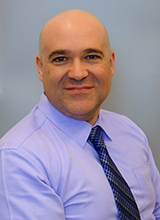
I am a licensed clinical psychologist in Washington State. I am the Director of the University of Washington School of Medicine’s Psychology Internship Program which is accredited by the American Psychological Association’s Office of Program Consultation and Accreditation. And, I conduct research on health and risk behaviors across the lifespan. Specifically, I have conducted research in the areas of college student alcohol use, young adult gambling behavior, and co-morbidity of substance use and mental health/risk behaviors (i.e. risky sexual behaviors). I have extensive experience working with college students/young adults, military/veteran, and minority/diverse populations. I am also interested in mental health issues including depression, anxiety, and PTSD. I maintain an active clinical practice in the areas of mental health issues with patients diagnosed with hematological and oncological illness and have clinical responsibilities at the Fred Hutchinson Cancer Center. I also provide clinical supervision for psychology residents and psychology practicum students at Fred Hutchinson Cancer Center as well. Overall, my professional aspirations are to improve the public health through empirically-supported psychological interventions and providing mentorship to diverse trainees to expand the reach of psychology.