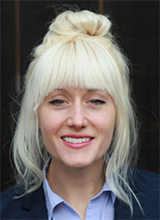
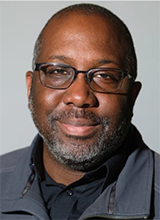
My lab based at Fred Hutch Cancer Center develops and tests acceptance-based therapies delivered in digital and telehealth platforms. The most preventable causes of premature death and human suffering are cigarette smoking and obesity. To this end, my research team focuses on designing, developing, and testing AI-based chatbot, smartphone app-delivered, and telephone coach-delivered contextual behavioral interventions for smoking cessation and for weight loss. Research aims include main outcome comparisons, mediators, moderators, intervention engagement, and therapeutic process predictors of outcome. This research is currently supported by multiple NIH R01-level grants. Our lab’s latest grant focuses on testing a smartphone app for helping American Indians and Alaska Natives stop smoking commercial cigarettes.
See links for further information:
https://research.fredhutch.org/habit/en/habit-group-members.html
https://en.wikipedia.org/wiki/Jonathan_Bricker
I am a trained Behavioral Scientist with a PhD in Health & Human Performance. The main goal of my work is to reduce substance-related harms and improve quality of life for people experiencing problems related to their substance use. I work closely with community members who use drugs to inform my line of research and address key needs identified. My primary appointment is at the Harm Reduction Research and Treatment (HaRRT) Center within the UW School of Medicine and hold an Affiliate Faculty appointment within the School of Public Health. My aim is to adapt, refine, and disseminate harm reduction programs through digital health interventions to empower individuals and ameliorate substance-related harms.
My scholarship is dedicated to reducing behavioral health disparities in Indigenous, immigrant and refugee communities. I have 13 years of experience and expertise in community-based participatory research (CBPR) science and practice, mixed-methods multi-level research design, cultural adaptation and translation of evidenced based interventions and culture-based practices, survey and measurement development, and dissemination and translation of findings. I am interested in examining culture-centered, land-based healing practices and mechanisms in addressing substance use, sexual health, and climate change impact.
Dr. Blayney’s research aims to understand the risks for and consequences of sexual victimization. More specifically, this work centers around how social contexts influence sexual victimization risk as well as variation in post-victimization recovery, such as posttraumatic stress disorder, alcohol use, and sexual risk behaviors.

Dr. Charles Engel is Professor in the Department of Psychiatry and Behavioral Sciences at the University of Washington School of Medicine, Core VA HSR Investigator in the Seattle Center for Innovation, Co-Director of the Center’s Advanced Fellowship on Health Systems Research, and Adjunct Physician Policy Researcher at the RAND Corporation. Engel’s work focuses on trauma-informed health systems and strategies for improving the quality of primary care for chronic mental and physical health conditions. His research has covered traumatic injury and post-trauma syndromes ranging from blast injury, mild traumatic brain injury and Gulf War syndrome to PTSD and depression. Engel is experienced at mixed qualitative and quantitative methods and has led large pragmatic randomized trials, program evaluations, and implementation science studies. He has authored or coauthored nearly 200 scholarly papers, including in the New England Journal of Medicine, JAMA, and the American Journal of Psychiatry. Funding for his work has come from the National Institutes of Health, Centers for Disease Control, Department of Veterans Affairs, Department of Defense and other organizations. Before joining UW Psychiatry and the AIMS Center in 2021, Dr. Engel was Senior Physician Policy Researcher at the RAND Corporation from 2013 to 2020 and Associate Chair (Research) at Uniformed Services University’s Department of Psychiatry from 2001-2013. Engel has served on the board of directors of the International Society for Traumatic Stress Studies, has testified twice before Congress, received a number of awards, and delivered invited lectures in over 10 countries. He received both his MD and MPH from the University of Washington.
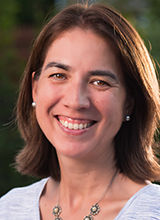
Dr. Hatch is an Associate Professor at the Addictions, Drug & Alcohol Institute (ADAI), Department of Psychiatry & Behavioral Sciences, UW School of Medicine. Her research interests are in the development and testing of behavioral and pharmacologic interventions for substance use disorders and HIV prevention. In particular, her work has focused on the intersection of substance use and HIV-related sex and drug risk behaviors from both the consumer and workforce perspectives, and on implementation factors that affect uptake of interventions. She has held multiple and varied roles in research projects since 1994, and has long-standing experience developing, implementing, and overseeing large-scale multi-site clinical trials with community treatment providers. In addition to her work at the University of Washington, Dr. Hatch is a licensed clinical psychologist at UWMC Outpatient Psychiatry Clinic. Her clinical work specializes in the treatment of drug and alcohol addictions and co-occurring depression, anxiety and trauma.
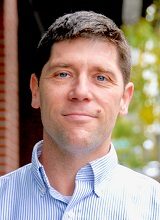
Dr. Banta-Green studies substance use involving opioids and stimulants and interventions to support recovery and reduce substance-related harms. He is particularly interested in developing interventions that are accessible to all people, including those who are most marginalized, such as those who are unhoused, utilizing services syringe service programs, and/or in the criminal legal system. He provides technical assistance and evaluation services for public health and safety interventions including the website http://stopoverdose.org, and information for the general public and professionals about effective treatments at http://learnabouttreatment.org. As an epidemiologist he develops innovative approaches to measuring the use and impacts of substances as well as service utilization. His health services research involves clinical trials, implementation research, and secondary data analyses. He serves on local, state, and federal workgroups and committees related to epidemiology, policy, and interventions for illicit substance-related problems. He is a member of the U.S. Health and Human Service’s Interdepartmental Substance Use Disorders Coordinating Committee.
Anthony is a Research Associate Professor, providing clinical trial and regulatory expertise in the treatment and prevention of substance use disorder, in particular opioid use disorder. He has directed numerous clinical trials and program evaluations in both community treatment and emergency department settings. Dr. Floyd has a secondary focus in firearm injury prevention research, which examines many of the same underlying public health concerns as substance use disorder. In addition, Anthony leads a team from Washington in a multi-site, multi-state study, examining the effectiveness of an opioid safety and education training program aimed at pharmacists in community-based settings.
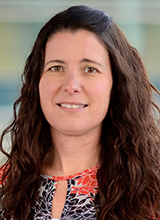
I am a Psychologist and the Coordinator of the DBT Program at the VA Puget Sound Health Care System as well as an Associate Professor in the Department of Psychiatry and Behavioral Sciences and Adjunct Associate Professor in the Department of Psychology at the University of Washington. I previously worked as the Research Director of Dr. Marsha Linehan’s Behavioral Research and Therapy Clinics at the University of Washington (2006-2018), Director of Research and Development for Behavioral Tech, LLC (2014-2017), and Director of Behavioral Tech Research, Inc. (2013-2016). My research focuses on the development and evaluation of the DBT Prolonged Exposure protocol for PTSD as well as methods of disseminating and implementing this and other evidence-based treatments into clinical practice. I regularly provide training and consultation nationally and internationally in DBT and DBT PE and have published extensively on these treatments. I am a certified DBT therapist, a certified PE therapist and supervisor, am board certified in Behavioral and Cognitive therapy, and am licensed as a psychologist in the state of Washington.
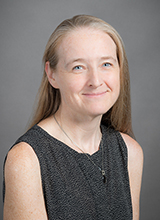
The Hendrickson research group explores underlying biological mechanisms related to the development and maintenance of posttraumatic stress disorder (PTSD) and related conditions, including mild traumatic brain injury, as well as the potential for interaction between different types of stress and trauma. Through the design and implementation of translational clinical studies, we apply this work directly to the pursuit of new treatment options for people who have experienced a traumatic stress.
A primary goal of our team is to understand broadly the ways traumatic stress interferes with people’s lives, and to prioritize the areas of greatest clinical need. We look for ways to prevent persistent symptoms after trauma, to match patients more quickly to the treatment options that will be most effective for them as individuals, and to develop new treatment options for those for whom current options are simply not adequate.
In addition to my research work, I am a staff psychiatrist in the VA PTSD Outpatient Clinic and a member of the VA Dialectical Behavioral Therapy (DBT) Team, and provide teaching and mentorship for residents in the UW Psychiatry Training Program.