I am a licensed clinical psychologist in the University of Washington’s Department of Psychiatry and Behavioral Sciences, working in adult inpatient care within the Center for Behavioral Health & Learning. I bring specialized training in serious mental illness, inpatient psychiatric care, serving populations with comorbid substance use and/or medical complexity, and enjoy working collaboratively within multidisciplinary teams to optimize patient-centered care. I also bring a global public health background in improving service delivery and access in low-resource settings across Africa and Asia.
I graduated with a PsyD in clinical psychology from the University of Denver, after completing my pre-doctoral internship at Mt. Sinai/Elmhurst Hospital in New York. During this internship, I completed rotations in the adult inpatient unit, the child partial hospitalization program, psychiatric emergency room services, and the consultation-liaison psychiatric service, serving a patient population that is among the most ethnically and culturally diverse in the world. I am dedicated to providing high quality, empathetic, and innovative interventions to our inpatient population.
My lab based at Fred Hutch Cancer Center develops and tests acceptance-based therapies delivered in digital and telehealth platforms. The most preventable causes of premature death and human suffering are cigarette smoking and obesity. To this end, my research team focuses on designing, developing, and testing AI-based chatbot, smartphone app-delivered, and telephone coach-delivered contextual behavioral interventions for smoking cessation and for weight loss. Research aims include main outcome comparisons, mediators, moderators, intervention engagement, and therapeutic process predictors of outcome. This research is currently supported by multiple NIH R01-level grants. Our lab’s latest grant focuses on testing a smartphone app for helping American Indians and Alaska Natives stop smoking commercial cigarettes.
See links for further information:
https://research.fredhutch.org/habit/en/habit-group-members.html
https://en.wikipedia.org/wiki/Jonathan_Bricker
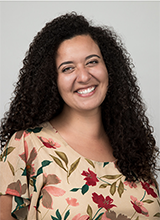
I am a faculty member and licensed clinical psychologist in the University of Washington’s Department of Psychiatry and Behavioral Sciences. Before joining this department, I completed my Ph.D. in clinical psychology at Purdue University, residency at the University of Washington, and fellowship at the University of Pennsylvania.
My research interests primarily center around romantic relationship functioning and personality disorder (PD) measurement. My line of PD research centers around how the use of a trait-based, dimensional approach to assessing and measuring PDs may increase construct validity, reliability, and diagnostic accuracy relating to PDs. My romantic relationship research centers around how romantic relationship functioning and interpersonal behaviors are associated with psychopathology diagnoses and symptoms.
As a clinician, I specialize in treating suicidality and self-harm using comprehensive Dialectical Behavior Therapy; in treating PTSD using Cognitive Processing Therapy and Prolonged Exposure; and in treating anxiety-related disorders using exposure therapies like Exposure and Response Prevention for OCD and Exposure for Social Anxiety. I am also passionate about providing couples’ therapy.
I am a psychiatrist at the UW. I primarily work at the Long-Term Civil Commitment Unit at Northwest and the consult service at University of Washington Montlake. I see patients with severe mental illness and chronic mental health problems. I also help with the treatment of patients with delirium and medical comorbidities that impact their mental health. I also help plan and give didactics for the Psychiatry residency at UW. My areas of interests are resident education, consult-liason, global mental health, perinatal psychiatry, and diversity, equity, and inclusion.
I am a bilingual, bicultural psychiatrist with interests in cultural psychiatry, psychotherapy, trauma-informed care, and improving quality of care and safety for our patients/families that receive care in a language other than English and other underserved communities.
I joined the Child and Adolescent Psychiatry faculty at the University of Washington in Fall of 2022 after completing my Child and Adolescent Psychiatry training here at the University of Washington at Seattle Children’s Hospital and General Psychiatry SUNY Upstate Medical University, with emphasis in Dialectical Behavioral Therapy and Trauma Focused- Cognitive Behavioral Therapy.
I am an Acting Assistant Professor and licensed clinical psychologist in the Department of Psychiatry & Behavioral Sciences at the University of Washington School of Medicine. I received my Ph.D. in clinical psychology from the University of California, Berkeley and completed by postdoctoral training at the University of Washington. I am also a consultant for multiple teaching and implementation projects aimed helping community mental health providers deliver effective evidence-based trauma-informed care.
My career goal is to help survivors of complex trauma learn to thrive. My research and clinical work explores how mobile technology, principles of evidence-based practice, and our sociocultural context can be used to help survivors of trauma and their communities recover faster. My work specifically emphasizes recovery from complex racial trauma and other forms of identity-based trauma.
My scholarship is dedicated to reducing behavioral health disparities in Indigenous, immigrant and refugee communities. I have 13 years of experience and expertise in community-based participatory research (CBPR) science and practice, mixed-methods multi-level research design, cultural adaptation and translation of evidenced based interventions and culture-based practices, survey and measurement development, and dissemination and translation of findings. I am interested in examining culture-centered, land-based healing practices and mechanisms in addressing substance use, sexual health, and climate change impact.
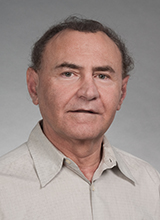
Personal Statement
Over the last 25 years, my work has focused on relationships between stress and health in several risk groups (spouse caregivers of persons with Alzheimer’s disease, medical students, psychiatric/medical outpatients/inpatients, air traffic controllers, and camp counselors). We have developed and/or revised measures of medical student stress, caregiver burden, patient anger/dyscontrol, process coping, appraisal, neuropsychological function and physician awareness of patient problems. These measures have been used by university researchers, insurance companies, pharmaceutical companies in clinical trials, prisons, nursing homes/long term care, rehabilitation facilities, and public health organizations. These psychosocial and behavioral measures have been shown to predict and be predicted by physiological and cognitive measures. We have also focused on moderators of such relationships, such as gender, personality, and co-morbidities. We have used primarily multicohort long-term studies that allow for interactions between exposures to stressors, hard-wired vulnerabilities, and more temporal resources. We attempted to identify mechanisms that can be potentially altered to have long-term public health significance in persons under chronic stress. I have also attempted to isolate groups that are at high risk for negative outcomes. In a perfect world, interventions should be used to help all persons who have deleterious responses to stress, but society cannot afford this. For this reason, the identification of high risk groups is imperative for maximizing the effect of interventions.
My research program’s long range goal is to better understand the mechanisms by which chronic stress translates into physical, mental, or cognitive health problems. We are examining caregivers of spouses with AD and demographically-similar spouse non-caregivers across time and assessing the degree to which elevated depression, stress hormones, inflammation, and insulin resistance in caregivers predict cognitive decline in caregivers relative to non-caregivers. We are also attempting to replicate our earlier work that showed that chronic stress and chronic disease moderate each other’s physiological risks. For example, physiological dysregulation that is specific to a disease (e.g., metabolic syndrome with CHD, blood pressure reactivity with hypertension, and immune function with cancer history, HbA1c with diabetes) is exacerbated in caregivers with a chronic disease relative to non-caregivers with a chronic disease, but no such differences occur in caregivers versus non-caregivers without a chronic disease. Finally, we are examining a large cohort of older adults sampled from various U.S. communities in order to assess the influence of life stressors on long term cognitive function and potential mediators of such changes.