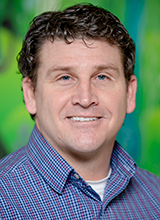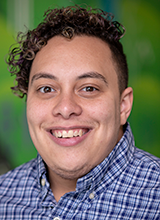
Dr. Connor Gallik, PhD, is the attending psychologist for the Adolescent Program on the Psychiatry and Behavioral Medicine Unit at Seattle Children’s Hospital and Acting Assistant Professor in the Department of Psychiatry and Behavioral Sciences at University of Washington.
Prior to joining the staff and faculty at Seattle Children’s/UW, Dr. Gallik completed his graduate education at the University of Connecticut with an emphasis in child and adolescent clinical psychology. He completed his clinical internship at Pacific University’s Psychology and Comprehensive Health Clinic and went on to complete a postdoctoral fellowship in clinical psychology at Seattle Children’s Hospital with an emphasis in DBT and inpatient care.
His research focuses on understanding factors related to the mental health and wellbeing of transgender and gender diverse (TGD) TGD youth and evidence-based practice on inpatient units. Clinically, he is interested in working with children, adolescents, and their families, with a focus on TGD youth. Dr. Gallik also provides training in TGD affirming care for mental health and medical professionals and speaks to community audiences about supporting transgender youth.
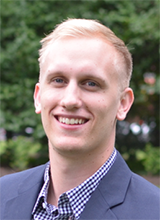
My clinical work focuses on the assessment and treatment of children and adolescents with intellectual and developmental disabilities (IDD) who engage in severe challenging behavior. My interest in this underserved population is in the development of a continuum of care, providing evidence-based care, and in the dissemination of best practices through research and training. At the University of Washington, I work on the Psychiatry and Behavioral Medicine Unit at Seattle Children’s and lead the sub-unit that specializes in patients with IDD.
I am a trained Behavioral Scientist with a PhD in Health & Human Performance. The main goal of my work is to reduce substance-related harms and improve quality of life for people experiencing problems related to their substance use. I work closely with community members who use drugs to inform my line of research and address key needs identified. My primary appointment is at the Harm Reduction Research and Treatment (HaRRT) Center within the UW School of Medicine and hold an Affiliate Faculty appointment within the School of Public Health. My aim is to adapt, refine, and disseminate harm reduction programs through digital health interventions to empower individuals and ameliorate substance-related harms.
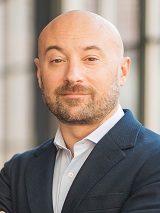
I am an Acting Assistant Professor and licensed clinical psychologist in the Department of Psychiatry & Behavioral Sciences at the University of Washington School of Medicine. I received my Ph.D. in clinical psychology from the University of California, Berkeley and completed by postdoctoral training at the University of Washington. I am also a consultant for multiple teaching and implementation projects aimed helping community mental health providers deliver effective evidence-based trauma-informed care.
My career goal is to help survivors of complex trauma learn to thrive. My research and clinical work explores how mobile technology, principles of evidence-based practice, and our sociocultural context can be used to help survivors of trauma and their communities recover faster. My work specifically emphasizes recovery from complex racial trauma and other forms of identity-based trauma.

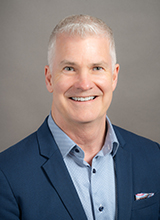
I am an Acting Assistant Professor in the Department of Psychiatry and Behavioral Sciences at the University of Washington. I received my MD, MPH from the University of Nebraska Medical Center and completed my adult residency at the University of Washington where I was chief resident. I then went on to complete a fellowship in Consultation-Liaison Psychiatry at the University of Washington. I am currently on faculty at Harborview Medical Center on the inpatient psychiatry unit and inpatient psychiatry consult service. I have a longstanding interest in the intersection between medicine and psychiatry and in working with people who suffer from serious mental illness and treatment-resistant conditions. I have clinical interests in ECT, psychopharmacology, co-morbid medical conditions, and adjunctive psychotherapies. I value caring for the whole person through thorough and accurate diagnosis, treating co-morbid medical conditions, and minimizing medications when possible. I have teaching interests in reducing stigma surrounding serious mental illness and educating residents and medical students about psychiatric care.
My research focuses on how social influences shape individuals’ health behaviors in both constructive (e.g., physical activity) and risky ways (e.g., alcohol use). I take a translational approach to my research in that I aim to understand how social processes, such as normative influences, relate to behavior so that we can leverage these influences to reduce harm and improve health.
Specific areas of interest include alcohol and other substance use, mental health, and gambling/sports betting. My primary focus is helping young adults during the transition into adulthood.
I have a background in sport psychology, and am passionate about helping athletes navigate the unique stressors involved in high-level sport. In this domain, I serve as a fellow at the U.S. Center for Mental Health and Sport.
My scholarship is dedicated to reducing behavioral health disparities in Indigenous, immigrant and refugee communities. I have 13 years of experience and expertise in community-based participatory research (CBPR) science and practice, mixed-methods multi-level research design, cultural adaptation and translation of evidenced based interventions and culture-based practices, survey and measurement development, and dissemination and translation of findings. I am interested in examining culture-centered, land-based healing practices and mechanisms in addressing substance use, sexual health, and climate change impact.
The Pravetoni group focuses on development and translation of medical interventions against substance use disorders (SUD) and other chemical and biological threats. Current efforts are: 1) vaccines, monoclonal antibodies (mAb), and small molecules to treat or prevent SUD, opioid use disorders (OUD) and overdose, 2) mechanisms and biomarkers underlying or predicting efficacy of immunotherapeutics and medications in pre-clinical models of SUD and OUD patients, 3) novel strategies to enhance vaccine or medication efficacy, including immunomodulators, small molecules, adjuvants, nanoparticles, polymers and other delivery platforms, 4) Vaccines, mAb, and clinical biomarkers against infectious diseases (e.g., Pseudomonas aeruginosa and novel coronavirus SARS-CoV-2), 5) biosensors for field detection or diagnosis.