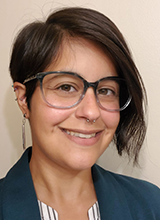
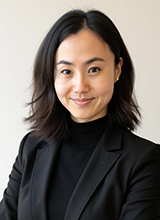
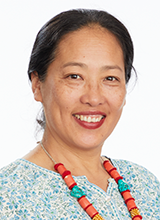
As a child and adolescent psychiatrist at the Child Study and Treatment Center, I am deeply inspired by the resilience of the youth we serve and by the collaborative spirit of our multidisciplinary teams. My work is grounded in curiosity, compassion, and respect for the complex systems that shape young people’s lives. My approach integrates evidence-based psychopharmacology with developmental and trauma-informed care, while always centering around the individual’s unique story and strengths. I value the relational and systemic dimensions of psychiatry: the interplay between family, community, and policy that influences recovery and growth. The multidisciplinary, relational model at CSTC reflects these values and continues to shape how I think about psychiatry: not only as a science, but as a deeply human endeavor.
I am an epidemiologist and Assistant Professor in the Department of Psychiatry and Behavioral Sciences at the University of Washington. My research primarily focuses on improving mental health outcomes throughout the life course to support family wellbeing and thriving in low- and middle-income settings, with emphasis on: 1. men’s/father’s mental health and parenting skills, 2. digital mental health interventions to support families affected by early psychosis, 3. integrating perinatal mental health services into maternal-child health care. Current projects are based in East and West Africa. My work utilizes methods ranging from user-centered design of digital mental health interventions to advanced epidemiologic and statistical methods.
I am a psychiatrist at the UW. I primarily work at the Long-Term Civil Commitment Unit at Northwest and the consult service at University of Washington Montlake. I see patients with severe mental illness and chronic mental health problems. I also help with the treatment of patients with delirium and medical comorbidities that impact their mental health. I also help plan and give didactics for the Psychiatry residency at UW. My areas of interests are resident education, consult-liason, global mental health, perinatal psychiatry, and diversity, equity, and inclusion.
I am a practicing psychiatrist and health services researcher whose research has focused on system-level strategies to deliver high-quality care in settings with few clinical resources or available specialists. I am board certified in general adult psychiatry and geriatric psychiatry and my clinical work has included provision of psychiatric outpatient, inpatient, and emergency services care. I am interested in leveraging existing community infrastructure and adapting evidence based clinical practices to suit community contexts to reduce treatment gaps.
I am a trained Behavioral Scientist with a PhD in Health & Human Performance. The main goal of my work is to reduce substance-related harms and improve quality of life for people experiencing problems related to their substance use. I work closely with community members who use drugs to inform my line of research and address key needs identified. My primary appointment is at the Harm Reduction Research and Treatment (HaRRT) Center within the UW School of Medicine and hold an Affiliate Faculty appointment within the School of Public Health. My aim is to adapt, refine, and disseminate harm reduction programs through digital health interventions to empower individuals and ameliorate substance-related harms.
My scholarship is dedicated to reducing behavioral health disparities in Indigenous, immigrant and refugee communities. I have 13 years of experience and expertise in community-based participatory research (CBPR) science and practice, mixed-methods multi-level research design, cultural adaptation and translation of evidenced based interventions and culture-based practices, survey and measurement development, and dissemination and translation of findings. I am interested in examining culture-centered, land-based healing practices and mechanisms in addressing substance use, sexual health, and climate change impact.
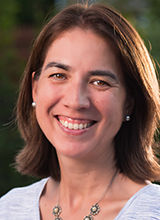
Dr. Hatch is an Associate Professor at the Addictions, Drug & Alcohol Institute (ADAI), Department of Psychiatry & Behavioral Sciences, UW School of Medicine. Her research interests are in the development and testing of behavioral and pharmacologic interventions for substance use disorders and HIV prevention. In particular, her work has focused on the intersection of substance use and HIV-related sex and drug risk behaviors from both the consumer and workforce perspectives, and on implementation factors that affect uptake of interventions. She has held multiple and varied roles in research projects since 1994, and has long-standing experience developing, implementing, and overseeing large-scale multi-site clinical trials with community treatment providers. In addition to her work at the University of Washington, Dr. Hatch is a licensed clinical psychologist at UWMC Outpatient Psychiatry Clinic. Her clinical work specializes in the treatment of drug and alcohol addictions and co-occurring depression, anxiety and trauma.
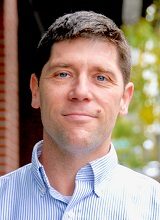
Dr. Banta-Green studies substance use involving opioids and stimulants and interventions to support recovery and reduce substance-related harms. He is particularly interested in developing interventions that are accessible to all people, including those who are most marginalized, such as those who are unhoused, utilizing services syringe service programs, and/or in the criminal legal system. He provides technical assistance and evaluation services for public health and safety interventions including the website http://stopoverdose.org, and information for the general public and professionals about effective treatments at http://learnabouttreatment.org. As an epidemiologist he develops innovative approaches to measuring the use and impacts of substances as well as service utilization. His health services research involves clinical trials, implementation research, and secondary data analyses. He serves on local, state, and federal workgroups and committees related to epidemiology, policy, and interventions for illicit substance-related problems. He is a member of the U.S. Health and Human Service’s Interdepartmental Substance Use Disorders Coordinating Committee.