Scholarly Expertise: Intellectual disability
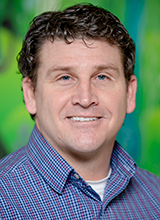
Eric Boelter
My clinical work focuses on the assessment and treatment of children and adolescents with intellectual and developmental disabilities (IDD) who engage in severe challenging behavior. My interest in this underserved population is in the development of a continuum of care, providing evidence-based care, and in the dissemination of best practices through research and training. At the University of Washington, I work on the Psychiatry and Behavioral Medicine Unit at Seattle Children’s and lead the sub-unit that specializes in patients with IDD.
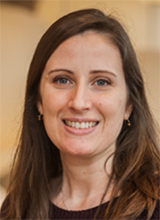
Emily Neuhaus
Dr. Neuhaus has a broad research focus on social-emotional processes in individuals with neurodevelopmental disorders, particularly children with autism spectrum disorder (ASD), attention-deficit/hyperactivity disorder (ADHD), or inherited or de novo genetic events. Dr. Neuhaus’s research is informed by a number of methodological approaches, including clinical/behavioral assessment and physiological measures such as EEG and autonomic biomarkers. Dr. Neuhaus is particularly interested in how social and emotional processes relate to brain function and development, and in how they interact with one another to influence diagnostic outcomes (e.g., phenotypes within autism) and psychiatric trajectories over the course of development. Clinically, Dr. Neuhaus specializes in diagnostic assessment of ASD.
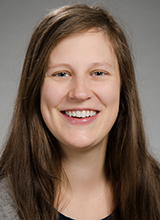
Megan Goldenshteyn
Dr. Megan Goldenshteyn works as a licensed psychologist at the Institute on Human Development and Disability (IHDD) in the Child Development Clinic, Cardiac Neurodevelopment Clinic, Down Syndrome Specialty Clinic, and the Infant Development Follow-up Clinic. Dr. Goldenshteyn conducts psychological and developmental evaluations and supervises the psychology trainees, including the postdoctoral fellow and residents.
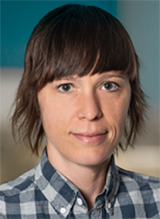
Amy Curtis
I am a child and adolescent psychiatrist at Seattle Children’s Hospital and faculty member at the University of Washington Medicine. My SCH practice locations include the Gender Clinic (Adolescent Medicine), Outpatient Psychiatry Clinic, Autism Center, and the inpatient unit- Psychiatry and Behavioral Medicine Unit (PBMU). I believe in delivering compassionate, evidence-based care in supporting patients and their families. My approach is both comprehensive and patient-centered, as it is important to consider the needs of the individual while also appreciating societal and cultural context. I specialize in working with diverse patient populations with various marginalized identities, such as those who identify as LGBTQ, gender diverse, and/or neurodiverse. I also work closely with the Adolescent Medicine Gender Clinic in supporting any mental health needs of transgender/gender diverse youth and their families. I also collaborate with colleagues in specialty medical clinics to coordinate care of medically complex patients. Additionally, I serve as a consultant with various school programs to support mental health initiatives and advocacy efforts.
Academically, I am involved with several initiatives both locally and nationally, particularly those that work to promote diversity and equity. I serve on committees supporting the SCH/UW CAP Fellowship Program, educating trainees and students through direct clinical supervision as well as with lectures and discussions. On a national level, I serve on the Sexual Orientation and Gender Identity Issues Committee (SOGIIC) for the American Academy of Child and Adolescent Psychiatry (AACAP). My clinical research focuses on finding strategies to better support the mental health and well-being of patients and families who are LGBTQ+. Additionally, I work on studies that explore the intersection between gender diversity and neuro diversity/autism spectrum.
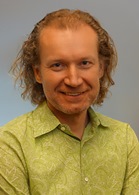
Zoran Brkanac
Personal Statement
My academic research background encompasses a variety of complex neurodevelopmental and neurodegenerative disorders. During postdoctoral training in San Antonio, I was examining phenotype/genotype correlations of Chromosome 18q- Syndrome. Chromosome 18q- Syndrome is a disorder in which variable size deletions are associated with a range of phenotypes including short stature; intellectual disability; poor muscle tone and developmental alterations of limbs and craniofacial region. Following clinical training in Psychiatry and Child and Adolescent Psychiatry, I continued with postdoctoral training in Seattle where I was researching Hereditary Ataxias and Dyslexia. During my time as a Principal Investigator, my lab focused on Autism and Alzheimer’s disorder. Our focus was on rare variants that play a role in familial as opposed to sporadic Autism and late-onset Alzheimer’s disease.
Currently, my focus is providing clinical care to individuals with Intellectual Disability and Autism Spectrum Disorder. In addition to working at Seattle Children’s Hospital Inpatient Psychiatry and Behavioral Medicine Unit, I provide diagnostic assessments and medication management at Seattle Children’s Autism Center and consult at Washington State Residential Habilitation Centers.