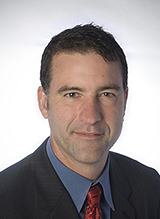
In two decades at UW, Dr. Hartzler’s principal focus has been on the dissemination and implementation of empirically-supported health services for persons with substance use disorders. To date, this includes local, regional, national, and international collaborations, encompassing federally-funded work with diverse community-based settings (i.e., addiction care, mental health, primary and specialty medical care, criminal justice, HIV care, schools, faith-based organizations), including those affiliated with the NIDA Clinical Trials Network. As director of the UW Center for Advancing Addiction Health Services (CAAHS), he oversees a broad portfolio, including: 1) the SAMHSA-funded Northwest Addiction Technology Transfer Center (Northwest ATTC), which provides universal, targeted, and intensive technical assistance to the addiction workforce in Alaska, Idaho, Oregon, and Washington 2) regional contribution to SAMHSA’s national Opioid Response Network (ORN), 3) a host of externally-sponsored implementation projects with single-state authorities as well as other organizations, and 4) contribution to NIH-funded and intramural health services research. In professional endeavors that span a science-to-service continuum, Dr. Hartzler seeks to promote adoption and implementation of useful treatment and recovery practices in community settings where they may benefit persons with substance use disorders.
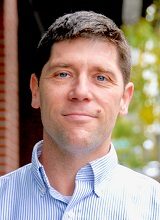
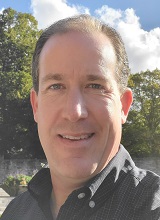
Dr. Banta-Green studies substance use involving opioids and stimulants and interventions to support recovery and reduce substance-related harms. He is particularly interested in developing interventions that are accessible to all people, including those who are most marginalized, such as those who are unhoused, utilizing services syringe service programs, and/or in the criminal legal system. He provides technical assistance and evaluation services for public health and safety interventions including the website http://stopoverdose.org, and information for the general public and professionals about effective treatments at http://learnabouttreatment.org. As an epidemiologist he develops innovative approaches to measuring the use and impacts of substances as well as service utilization. His health services research involves clinical trials, implementation research, and secondary data analyses. He serves on local, state, and federal workgroups and committees related to epidemiology, policy, and interventions for illicit substance-related problems. He is a member of the U.S. Health and Human Service’s Interdepartmental Substance Use Disorders Coordinating Committee.
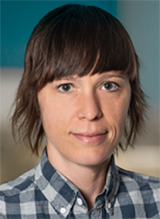
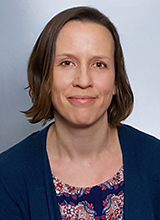
I am a child and adolescent psychiatrist at Seattle Children’s Hospital and faculty member at the University of Washington Medicine. My SCH practice locations include the Gender Clinic (Adolescent Medicine), Outpatient Psychiatry Clinic, Autism Center, and the inpatient unit- Psychiatry and Behavioral Medicine Unit (PBMU). I believe in delivering compassionate, evidence-based care in supporting patients and their families. My approach is both comprehensive and patient-centered, as it is important to consider the needs of the individual while also appreciating societal and cultural context. I specialize in working with diverse patient populations with various marginalized identities, such as those who identify as LGBTQ, gender diverse, and/or neurodiverse. I also work closely with the Adolescent Medicine Gender Clinic in supporting any mental health needs of transgender/gender diverse youth and their families. I also collaborate with colleagues in specialty medical clinics to coordinate care of medically complex patients. Additionally, I serve as a consultant with various school programs to support mental health initiatives and advocacy efforts.
Academically, I am involved with several initiatives both locally and nationally, particularly those that work to promote diversity and equity. I serve on committees supporting the SCH/UW CAP Fellowship Program, educating trainees and students through direct clinical supervision as well as with lectures and discussions. On a national level, I serve on the Sexual Orientation and Gender Identity Issues Committee (SOGIIC) for the American Academy of Child and Adolescent Psychiatry (AACAP). My clinical research focuses on finding strategies to better support the mental health and well-being of patients and families who are LGBTQ+. Additionally, I work on studies that explore the intersection between gender diversity and neuro diversity/autism spectrum.
Personal Statement
I am a board certified child and adolescent psychiatrist in the Pediatric Clinic at Harborview, Seattle Children’s Hospital, and Odessa Brown Children’s Clinic in the Division of Psychiatry and Behavioral Medicine.
In my clinical work, I strive to create active partnerships with my patients and their families to achieve the best possible outcomes regardless of their needs and circumstances. I am lucky to have great behavioral health and primary care partners across the different clinics I work in, who are invaluable collaborators in caring for our patients and families.
I am involved in the child and adolescent training program and supervises trainees at several outpatient clinics. My clinical and research interests include integrating mental healthcare into primary care settings, ADHD, disruptive behaviors, aggression, trauma-related disorders, and improving clinical supervision of child and adolescent psychiatry trainees.
Personal Statement
I am a mixed methods health services researcher and health economist with a PhD in population health and background in community-based participatory research and community-engaged research. I enjoy working with partners in clinic and community settings to develop scalable programs to improve mental health services and community well-being. Such programs may involve a diverse workforce with varying levels of mental health training and experience, including lay health workers. My interest in technology focuses on finding efficiencies and the appropriate balance of technology and face-to-face encounters to support patient care and staff training/support in such programs.
Personal Statement
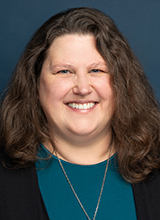
My career goal is to give suicidal clients and their clinicians the best chance to succeed. I have been working in the area of health services, treatment development, and clinical trials research to prevent suicide for over 30 years. My graduate training was in community/clinical psychology and focused on achieving clinical ends through prevention and other systemic interventions in socio-culturally diverse populations. I have brought these perspectives into health services research. I have developed or adapted interventions to improve care and clinician willingness to work with suicidal patients including Caring Contacts, Dialectical Behavior Therapy (DBT), Collaborative Assessment and Management of Suicidality (CAMS), and Preventing Addiction Related Suicide (PARS). I have developed an adaptation of DBT Next Steps, a program to assist psychiatrically disabled individuals find and maintain living wage employment. My research has been funded by NIMH, NIDA, the Department of Defense, American Foundation for Suicide Prevention, and the State of Washington.
I am the director of the Center for Suicide Prevention and Recovery (CSPAR) whose mission is to promote the recovery of suicidal individuals and the effectiveness and well-being the clinicians and families who care for them by conducting rigorous and ecologically valid research, developing innovative interventions, improving policies, systems and environments of care, and providing expert training and consultation. CSPAR faculty and staff seek a deep understanding of the cultures and settings in which we work that leads to meaningful and effective interventions ready for implementation.
I also direct the Suicide Care Research Center, an NIMH P50 funded research center focused on using Human Centered Design and MOST optimization methodology to improve the care of adolescents and young adults (age 13-30 years) in outpatient medical settings. We are conducting one fully powered trial, three R34s, and 4 pilot studies within UW Medicine and Seattle Children’s hospital to develop innovative interventions to support primary care, Collaborative Care, and specialty medical clinics care for patients experiencing suicidal thoughts and behavior. The center supports effort of over 20 faculty and 16 staff as well as 11 emerging and advanced collaborating scholars and funds 2 annual pilot grants (each $100,000 over two years).
In addition to clinical research, I founded the Society for Implementation Research Collaboration (SIRC) focused on disseminating and implementing innovative, evidence-based interventions in the systems that need them. Beyond my research, I directed the Harborview Dialectical Behavior Therapy program at Harborview Medical Center 1996-2019, co-lead the UWAnnual Comprehensive DBT Training Program and Suicide Care in Healthcare Systems: We Can Do Better Serving our Patients and Caring for our Clinicians, both of which meet the Washington State requirement for suicide prevention training. I have a long history of training and mentoring junior faculty, post-doctoral scholars, psychiatry residents, pre-doctoral psychology interns, undergraduate students, and post-baccalaureate trainees. I provide psychotherapy and consultation at the UWMC Outpatient Psychiatry Clinic.
Personal Statement
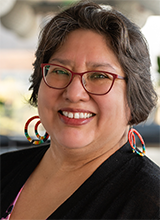
Myra Parker, JD, PhD is an Associate Professor of Psychiatry and Behavioral Sciences, and Director of Seven Directions: A Center for Indigenous Public Health, based within the Center for the Study of Health and Risk Behaviors, University of Washington. She received her doctorate in Health Services at UW School of Public Health, and has been a member of the faculty since 2014.
Dr. Parker’s research and clinical interests include: (1) cultural adaptation of alcohol and drug interventions among American Indians and Alaska Natives (with a particular focus on tribal college drinking harm reduction), (2) development and testing of parenting interventions to support early childhood development in American Indian and Alaska Native communities, (3) co-morbidity of substance use with depression, suicide, trauma, and PTSD, (4) research capacity development, including ethical aspects of research, for tribal and urban Indian communities; and, (5) dissemination and translation of evidence-based prevention and intervention approaches at the individual, institutional, and community level, including policy development. She has worked with tribal and urban Indian communities across the United States on these topics.