Jonathan Bricker

My lab develops and tests acceptance-based therapies delivered in digital and telehealth platforms, with a focus on addressing health disparities. The most preventable causes of premature death and human suffering are cigarette smoking and obesity. To this end, my research team focuses on designing, developing, and testing AI-based chatbot, smartphone app-delivered, and telephone coach-delivered contextual behavioral interventions for smoking cessation and for weight loss. Research aims include main outcome comparisons, mediators, moderators, intervention engagement, and therapeutic process predictors of outcome. This research is currently supported by multiple NIH R01-level grants. Our lab’s latest grant focuses on testing a smartphone app for helping American Indians and Alaska Natives stop smoking commercial cigarettes.

See links for further information:

https://research.fredhutch.org/habit/en/habit-group-members.html

https://en.wikipedia.org/wiki/Jonathan_Bricker

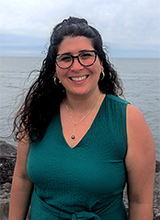
Larissa Gaias

Larissa Gaias, Ph.D., is an Acting Assistant Professor of School Mental Health and Implementation Science, located at the SMART Center within the University of Washington School of Medicine Department of Psychiatry and Behavioral Sciences. In her position, she primarily works with the SMART Center’s Training and Technical Assistance Core (TACore) to support schools, districts, community organizations, state agencies, and other partners in building accessible, effective, and equitable mental health services and systems for youth. She is passionate about building collaborative partnerships that apply knowledge and expertise from research, practice, policy, and lived experience into action. Her research centers on incorporating an equity-explicit lens into the development, implementation, and evaluation of school- and community-based social-emotional, behavioral, and mental health practices and policies. Larissa also has methodological expertise that spans quantitative, qualitative, mixed, and participatory approaches.

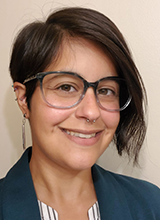
Karís Casagrande

Karís Casagrande (she/they), PhD, is a clinical psychologist and director of community outreach at Seattle Children’s Autism Center. She completed her postdoctoral fellowship at University of Washington and Seattle Children’s Hospital, and is an alum of the Leadership Education in Neurodevelopmental and Related Disabilities (LEND) program. Clinically, she specializes in neurodevelopmental assessment, parent coaching models of intervention focused on behavior and social communication, and cognitive-behavioral therapy for individuals with neurodevelopmental differences. She is engaged in community outreach and capacity-building research and programming to improve access to and quality of care for individuals with autism and their families in their home communities. Previously, she was the president of a community non-profit advocacy group and worked with community organizations such as museums, theaters, and hotels to increase accessibility and inclusion for individuals with sensory and developmental differences. She is excited to continue engaging communities and improving accessibility in this new role at the Autism Center. 

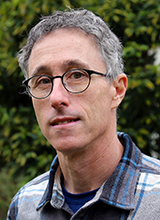
Jonathan Kanter

I am a Research Associate Professor in the Department of Psychiatry and Behavioral Sciences and in the UW Psychology Department,  where I am Director of the Center for the Science of Social Connection.  I also am a member of the leadership team of the UW Medicine’s Office of Healthcare Equity, where I am Director of EDI Training and Education.  My research and training efforts focus on understanding and intervening on bias and microaggressions, improving EDI training and consultation efforts, and developing close relationships especially across the differences that typically divide us.

I use the pronouns he, him, his.

Tessa Frohe

I am a trained Behavioral Scientist with a PhD in Health & Human Performance. The main goal of my work is to reduce substance-related harms and improve quality of life for people experiencing problems related to their substance use. I work closely with community members who use drugs to inform my line of research and address key needs identified. My primary appointment is at the Harm Reduction Research and Treatment (HaRRT) Center within the UW School of Medicine and hold an Affiliate Faculty appointment within the School of Public Health.​ My aim is to adapt, refine, and disseminate harm reduction programs through digital health interventions to empower individuals and ameliorate substance-related harms.

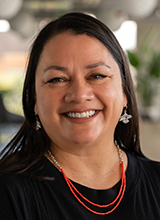
Maya Magarati

My scholarship is dedicated to reducing behavioral health disparities in Indigenous, immigrant and refugee communities. I have 13 years of experience and expertise in community-based participatory research (CBPR) science and practice, mixed-methods multi-level research design, cultural adaptation and translation of evidenced based interventions and culture-based practices, survey and measurement development, and dissemination and translation of findings. I am interested in examining culture-centered, land-based healing practices and mechanisms in addressing substance use, sexual health, and climate change impact.
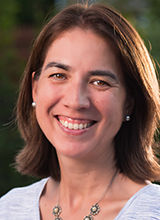
Bill O’Connell

As part of my faculty appointment, I am Director of the Behavioral Health Support Specialist (BHSS) Workforce Development Project.  My responsibilities include oversight of curriculum development, practicum guidelines, development of community partnerships and advocacy for reimbursement pathways.

Behavioral Health Support Specialist Workforce Development Project

I am working with a talented project team to develop a competency framework and curriculum to prepare a bachelor level Behavioral Health Support Specialist (BHSS).  A BHSS will deliver brief, culturally responsive, evidence-informed interventions for common mental and behavioral health conditions under supervision in a team-based setting.  The BHSS will use a measurement-based care approach to ensure patients are receiving the right level of care at the right dose.  Crisis services, integrated care and specialty behavioral healthcare are examples of work environments that will benefit from a BHSS.  Our project goal is to support higher educational programs across the state implement the BHSS clinical training program in academic year 25-26. During my time working as a primary care behavioral health consultant, I frequently met with senior patients from diverse backgrounds who had never spoken with a behavioral health provider in their lifetime despite experiencing moderate to severe symptoms of a mental or behavioral health condition.  One reason I found unacceptable was lack of access to services.  The bachelor level Behavioral Health Support Specialist role is one solution of many to improving access to care and expanding the available workforce.

Scholarship

My current scholarship focuses on behavioral health workforce development and best practices in teaching and training bachelor level intervention specialists for behavioral health settings. In addition to my current role as BHSS project co-investigator, I served as principal investigator for a philanthropic gift from Robert Craves to expand access to school counseling services at Bailey Gatzert Elementary School in the Yesler Terrace neighborhood of Seattle. I also engaged in community-based research with Village Spirit Center for Community Change and Healing located in the Central District to produce a mental health needs assessment for residents who had experienced homelessness prior to obtaining secure housing. Previous peer reviewed publications focused on counselor preparation for employment in behavioral health agencies, best practices in counselor preparation and ethical dilemmas in counselor practice.

Certification and Licensure

I am a Licensed Mental Health Counselor (LMHC) in the State of Washington and a Licensed Professional Counselor (LPC) in Colorado.  Additionally, I am a National Certified Counselor (NCC), and an Approved Clinical Supervisor (ACS) through the National Board of Certified Counselors and the Center for Credentialing and Education.

Career Roles

  • Associate Professor (WOT), Psychiatry and Behavioral Sciences, University of Washington (2022-Present).
  • Regional Director of Behavioral Health and Primary Care Behavioral Health Consultant for One Medical Seniors (2018-2021)
  • Founding Chair of the Department of Leadership and Professional Studies at Seattle University (2014-2017)
  • Associate Professor of Clinical Mental Health and School Counseling at Seattle University (2010-2019)
  • Associate Professor of Clinical Mental Health and School Counseling at Xavier University in Ohio (2001-2010)
  • Past President of the Ohio Counseling Association (2006-2009)
  • Assistant Clinical Director for Talbert House Inc. (1998-2001)
  • *Private Practice Therapist and Consultant (1997-2010)
  • Adult Therapist for Clermont Counseling Center in Milford, Ohio (1994-1997)
  • Crisis Intervention Specialist for Talbert House Inc. (1990-1993)
  • Adult Therapist for Care Unit Chemical Dependency Hospital in Ohio (1988-1990)

*I owned a private practice in the Greater Cincinnati Area for twelve years providing behavioral medicine consultation in an integrated pain management practice, clinical consultation to behavioral health organizations, and training and education on ethical and professional issues for mental health providers.  Additionally, I provided individual, couple and family counseling in a group psychology practice with a special focus on serving the LGBTQI+ community and persons with trauma history.

Mary Hatch

Dr. Hatch is an Associate Professor at the Addictions, Drug & Alcohol Institute (ADAI), Department of Psychiatry & Behavioral Sciences, UW School of Medicine. Her research interests are in the development and testing of behavioral and pharmacologic interventions for substance use disorders and HIV prevention. In particular, her work has focused on the intersection of substance use and HIV-related sex and drug risk behaviors from both the consumer and workforce perspectives, and on implementation factors that affect uptake of interventions. She has held multiple and varied roles in research projects since 1994, and has long-standing experience developing, implementing, and overseeing large-scale multi-site clinical trials with community treatment providers. In addition to her work at the University of Washington, Dr. Hatch is a licensed clinical psychologist at UWMC Outpatient Psychiatry Clinic. Her clinical work specializes in the treatment of drug and alcohol addictions and co-occurring depression, anxiety and trauma.