My research broadly aims to better understand the etiology of depression and risk behaviors such as suicide and substance use across development, and translate findings to inform prevention and intervention strategies for youth and families. My work focuses on partnering with communities and primary care clinics to improve access to and use of effective mental health services.
My current projects include studies focused on adapting and evaluating suicide prevention intervention and implementation strategies for use with adolescents and their families in primary care and outpatient medical settings, including developing and adapting brief, just-in-time, and digital interventions to expand access to services.
In addition to research, I am also a clinical psychologist in the Mood and Anxiety Disorders Program and the Crisis Care Clinic at Seattle Children’s Hospital.

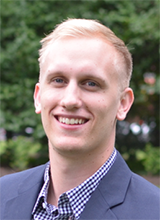
Dr. Connor Gallik, PhD, is the attending psychologist for the Adolescent Program on the Psychiatry and Behavioral Medicine Unit at Seattle Children’s Hospital and Acting Assistant Professor in the Department of Psychiatry and Behavioral Sciences at University of Washington.
Prior to joining the staff and faculty at Seattle Children’s/UW, Dr. Gallik completed his graduate education at the University of Connecticut with an emphasis in child and adolescent clinical psychology. He completed his clinical internship at Pacific University’s Psychology and Comprehensive Health Clinic and went on to complete a postdoctoral fellowship in clinical psychology at Seattle Children’s Hospital with an emphasis in DBT and inpatient care.
His research focuses on understanding factors related to the mental health and wellbeing of transgender and gender diverse (TGD) TGD youth and evidence-based practice on inpatient units. Clinically, he is interested in working with children, adolescents, and their families, with a focus on TGD youth. Dr. Gallik also provides training in TGD affirming care for mental health and medical professionals and speaks to community audiences about supporting transgender youth.
I am a bilingual, bicultural psychiatrist with interests in cultural psychiatry, psychotherapy, trauma-informed care, and improving quality of care and safety for our patients/families that receive care in a language other than English and other underserved communities.
I joined the Child and Adolescent Psychiatry faculty at the University of Washington in Fall of 2022 after completing my Child and Adolescent Psychiatry training here at the University of Washington at Seattle Children’s Hospital and General Psychiatry SUNY Upstate Medical University, with emphasis in Dialectical Behavioral Therapy and Trauma Focused- Cognitive Behavioral Therapy.
My research focuses on how social influences shape individuals’ health behaviors in both constructive (e.g., physical activity) and risky ways (e.g., alcohol use). I take a translational approach to my research in that I aim to understand how social processes, such as normative influences, relate to behavior so that we can leverage these influences to reduce harm and improve health.
Specific areas of interest include alcohol and other substance use, mental health, and gambling/sports betting. My primary focus is helping young adults during the transition into adulthood.
I have a background in sport psychology, and am passionate about helping athletes navigate the unique stressors involved in high-level sport. In this domain, I serve as a fellow at the U.S. Center for Mental Health and Sport.
My scholarship is dedicated to reducing behavioral health disparities in Indigenous, immigrant and refugee communities. I have 13 years of experience and expertise in community-based participatory research (CBPR) science and practice, mixed-methods multi-level research design, cultural adaptation and translation of evidenced based interventions and culture-based practices, survey and measurement development, and dissemination and translation of findings. I am interested in examining culture-centered, land-based healing practices and mechanisms in addressing substance use, sexual health, and climate change impact.
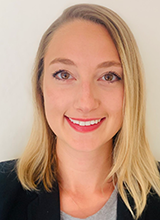
Dr. Walukevich-Dienst (hear my name) is a licensed clinical psychologist and an Assistant Professor at the University of Washington.
Her research is focused on identifying psychosocial and contextual factors associated with alcohol and cannabis misuse and co-use among young adults, including social influences (e.g., romantic partners, use partnerships), affect management motives, co-occurring mental health concerns, and high-risk substance use events and contexts.
Dr. Walukevich-Dienst aims to leverage this information to develop and test innovative, technology-informed prevention and intervention efforts to disseminate in real world settings.
She also provides psychotherapy to patients at the University of Washington’s Outpatient Psychiatry Clinic and provides supervision and training to psychology graduate students and psychiatry residents in Cognitive Behavioral Therapy.
Link to Dr. Walukevich-Dienst’s CV.
Dr. Blayney’s research aims to understand the risks for and consequences of sexual victimization. More specifically, this work centers around how social contexts influence sexual victimization risk as well as variation in post-victimization recovery, such as posttraumatic stress disorder, alcohol use, and sexual risk behaviors.