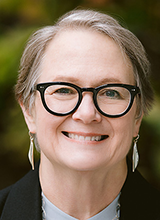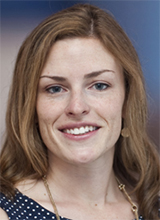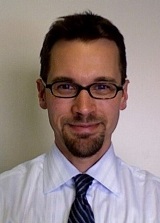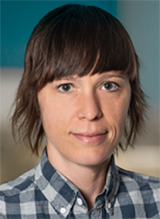
I am a child and adolescent psychiatrist at Seattle Children’s Hospital and faculty member at the University of Washington Medicine. My SCH practice locations include the Gender Clinic (Adolescent Medicine), Outpatient Psychiatry Clinic, Autism Center, and the inpatient unit- Psychiatry and Behavioral Medicine Unit (PBMU). I believe in delivering compassionate, evidence-based care in supporting patients and their families. My approach is both comprehensive and patient-centered, as it is important to consider the needs of the individual while also appreciating societal and cultural context. I specialize in working with diverse patient populations with various marginalized identities, such as those who identify as LGBTQ, gender diverse, and/or neurodiverse. I also work closely with the Adolescent Medicine Gender Clinic in supporting any mental health needs of transgender/gender diverse youth and their families. I also collaborate with colleagues in specialty medical clinics to coordinate care of medically complex patients. Additionally, I serve as a consultant with various school programs to support mental health initiatives and advocacy efforts.
Academically, I am involved with several initiatives both locally and nationally, particularly those that work to promote diversity and equity. I serve on committees supporting the SCH/UW CAP Fellowship Program, educating trainees and students through direct clinical supervision as well as with lectures and discussions. On a national level, I serve on the Sexual Orientation and Gender Identity Issues Committee (SOGIIC) for the American Academy of Child and Adolescent Psychiatry (AACAP). My clinical research focuses on finding strategies to better support the mental health and well-being of patients and families who are LGBTQ+. Additionally, I work on studies that explore the intersection between gender diversity and neuro diversity/autism spectrum.
Personal Statement
I am a board certified child and adolescent psychiatrist in the Pediatric Clinic at Harborview, Seattle Children’s Hospital, and Odessa Brown Children’s Clinic in the Division of Psychiatry and Behavioral Medicine.
In my clinical work, I strive to create active partnerships with my patients and their families to achieve the best possible outcomes regardless of their needs and circumstances. I am lucky to have great behavioral health and primary care partners across the different clinics I work in, who are invaluable collaborators in caring for our patients and families.
I am involved in the child and adolescent training program and supervises trainees at several outpatient clinics. My clinical and research interests include integrating mental healthcare into primary care settings, ADHD, disruptive behaviors, aggression, trauma-related disorders, and improving clinical supervision of child and adolescent psychiatry trainees.
Personal Statement
I am experienced in the evaluation and treatment of a range of psychiatric conditions including anxiety and panic, mood disorders, psychosis, obsessive-compulsive disorder, posttraumatic stress disorder and personality disorders. I work with adult and geriatric patients in the outpatient setting.
Personal Statement
My research focuses on strategies to improve pediatric mental health care quality, such as increasing measurement-based care–the use of patient/caregiver reported data to inform clinical-decision making. I also study the impact of quality improvement interventions on pediatric mental health service disparities with the goal of developing interventions to prevent or reduce such disparities and improving mental health care quality for all youths and families.
My clinical expertise includes Dialectical Behavior Therapy and Cognitive Behavior Therapy for teens and families to address a variety of mood and anxiety disorders as well as behavior problems and parent-child conflict. I provide parent training and consultation for managing young children’s anxiety and behavior problems. I am fluent in Mandarin Chinese.
Personal Statement
I am interested in mood and anxiety disorders and the intersection of these with chronic medical illnesses. My approach to treatment is integrative. Working within a cognitive-behavioral framework, I use many traditional CBT methods, including hypnosis, mindfulness training, and concepts from third-generation cognitive and behavioral methods.
Personal Statement
Jane Luterek, PhD is a psychologist in the PTSD Outpatient Clinic and the Addictions Treatment Center focused primarily on serving women Veterans at the VA Puget Sound Healthcare System, Seattle Division. She is a Clinical Assistant Professor in the Department of Psychiatry and Behavioral Sciences at the University of Washington and is licensed in the State of Washington. Dr. Luterek’s research has focused on understanding the psychological sequelae of trauma and mechanisms of change in therapy associated with Alcohol Dependence and PTSD. She has advanced clinical training in the treatment of Veterans with trauma related psychological sequelae (e.g. substance use disorders, PTSD, mood disorders, borderline personality disorder) and draws from a contextual behavioral theoretical background. Dr. Luterek has expertise in Acceptance and Commitment Therapy, Prolonged Exposure, Dialectical Behavior Therapy, and Motivational Interviewing, which heavily inform her clinical practices.
Personal Statement
My clinical work and research are focused on helping youth with ADHD and their families be resilient and successful. Specifically, I am interested in creating and disseminating behavioral treatments for ADHD and disruptive behavior that are accessible and engaging for families. I enjoy consulting and training with providers in a variety of settings, including integrated primary care, to offer treatments that provide immediate help to their patients. My current research focuses on improving family relationships and health outcomes for youth with ADHD, including preventing risk behaviors and improving active and healthy lifestyles.
Personal Statement
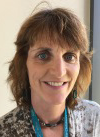
I completed my undergraduate, medical school, and residency training at the University of Washington in Seattle. I am board certified in family medicine and psychiatry with subspecialty training in addiction medicine. My clinical interests include inpatient and outpatient psychiatric consultation to primary care providers, mood disorders in pregnant and postpartum mothers, and clinical service in underserved communities.
Personal Statement
I am a child and adolescent psychiatrist with experience in delivering guideline-based care for child and adolescent psychiatric disorders. I am the Medical Director of the Outpatient Psychiatry Clinics at Seattle Children’s, and have experience with training of staff to deliver guideline-based care. I also have health services training, including having obtained a Master of Public Health (MPH) in Health Services and participation in a Primary Care-Psychiatry Research Fellowship funded by the National Institutes of Health.
My clinical work includes treatment of outpatients and inpatients with a variety of mental health needs, and I provide telepsychiatry in our outpatient clinics. I have experience with collaboration with primary care providers to deliver care to pediatric patients, including serving as a consulting psychiatrist on the Partnership Access Line, which provides psychiatric consultation regarding mental health assessment and treatment to pediatricians and other primary care physicians throughout the state of Washington. I have expertise in the treatment of common mental health problems in a pediatric population.
My research has focused on mental health care for common psychiatric illnesses including depression and ADHD, and has included utilization of collaborative models of care and testing of interventions for youth with psychiatric diagnoses. I have been a co-investigator, with R01 PI Kathleen Myers, MD, for a study of guideline-based care provided by telepsychiatry for youth in rural communities with a diagnosis of Attention Deficit Hyperactivity Disorder.