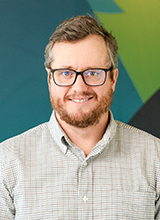
As a child and adolescent psychiatrist at the Child Study and Treatment Center, I am deeply inspired by the resilience of the youth we serve and by the collaborative spirit of our multidisciplinary teams. My work is grounded in curiosity, compassion, and respect for the complex systems that shape young people’s lives. My approach integrates evidence-based psychopharmacology with developmental and trauma-informed care, while always centering around the individual’s unique story and strengths. I value the relational and systemic dimensions of psychiatry: the interplay between family, community, and policy that influences recovery and growth. The multidisciplinary, relational model at CSTC reflects these values and continues to shape how I think about psychiatry: not only as a science, but as a deeply human endeavor.
Dr. Dahyeon Kang is an Assistant Professor at the University of Washington School of Medicine. She earned her doctoral degree from the University of Illinois at Urbana-Champaign, where her work focused on the etiology of alcohol and substance use disorders through multimodal research methods, including alcohol administration, neuroimaging, transdermal biosensors, and ecological momentary assessments. At the University of Washington’s Department of Psychiatry, Dr. Kang investigates how individual and social factors interact to influence alcohol and cannabis use behaviors.
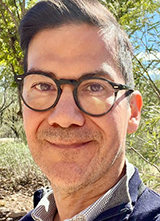
I am currently the Medical Director at the Garvey Institute Center for Neuromodulation and am providing leadership to help grow our portfolio in the area of Neuromodulation and Interventional Psychiatry. Before coming to the UW, I was the Muriel Harris Chair of Geriatric Psychiatry and Professor of Clinical Psychiatry at UCLA. While at UCLA, I held many administrative, clinical and teaching leadership positions including serving as Medical Director of Inpatient Geriatric Psychiatry, Chief of Staff of the UCLA Neuropsychiatric Hospital, Founding Faculty of the UCLA Neuromodulation Division, Medical Director of the ECT and Interventional Psychiatry Program, among others.
I recently became Editor-in-Chief of the Journal of ECT and Related Therapies, the official publication of the International Society of ECT and Neurostimulation. My research projects have included investigating various neuromodulation and interventional therapies and developing novel educational programs and curricula. I have an abiding interest in mentoring and helping faculty at the start of their careers and a commitment to fostering the advancement of women and underrepresented minority (URM) faculty in academic medicine.
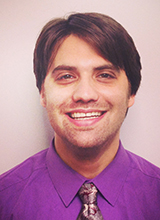
My clinical and research interests center around neuropsychiatric symptoms that present in neurodegenerative diseases, especially dementias. Though dementia is well-known to affect one’s memory and cognition, over 90% of people with dementia develop new neuropsychiatric symptoms – including apathy, dysphoria. anxiety, aggression, agitation, disinhibition, hallucinations, and delusions. Despite the ubiquity of these symptoms, very little is known about how they develop in dementia. My research interests are in understanding more about the molecular and cellular mechanisms of neuropsychiatric symptoms in dementia beyond the well-studied changes associated with cognitive deficits. Most of my research portfolio is currently dedicated to determining the underlying molecular and cellular features differentiating apathy from dysphoria in Alzheimer’s Disease.
Along with my research mentor Martin Darvas PhD (Department of Laboratory Medicine and Pathology), we employ numerous approaches to better understand these neuropsychiatric symptoms, including techniques involving rigorous clinical phenotyping of neuropsychiatric symptoms, exploring peripheral immune cell changes via mass cytometry, transcriptomic analyses of human and mouse post-mortem tissue, development and implementation of biomarkers derived from human and animal model fluids (plasma, serum, cerebrospinal fluid), virally-mediated gene manipulations, animal modeling of cognitive and neuropsychiatric phenotypes, and basic cellular and molecular biology techniques.
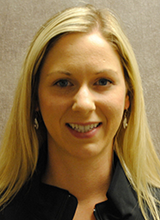
I am an Acting Assistant Professor in the Department of Psychiatry and Behavioral Sciences at the University of Washington. I received my MD, MPH from the University of Nebraska Medical Center and completed my adult residency at the University of Washington where I was chief resident. I then went on to complete a fellowship in Consultation-Liaison Psychiatry at the University of Washington. I am currently on faculty at Harborview Medical Center on the inpatient psychiatry unit and inpatient psychiatry consult service. I have a longstanding interest in the intersection between medicine and psychiatry and in working with people who suffer from serious mental illness and treatment-resistant conditions. I have clinical interests in ECT, psychopharmacology, co-morbid medical conditions, and adjunctive psychotherapies. I value caring for the whole person through thorough and accurate diagnosis, treating co-morbid medical conditions, and minimizing medications when possible. I have teaching interests in reducing stigma surrounding serious mental illness and educating residents and medical students about psychiatric care.
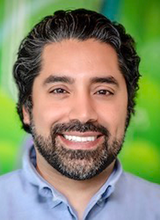
Dr. Shah is a board-certified child and adolescent psychiatrist at Seattle Children’s Hospital and has served as a faculty member at the University of Washington School of Medicine since 2020. He is also a board member of the ARC Trust of Washington.
His clinical practice includes serving as an inpatient attending psychiatrist on the Psychiatry and Behavioral Medicine Unit at Seattle Children’s Hospital and providing outpatient care for children and families through the Seattle Children’s Autism Center. Across both settings, he is actively involved in the education and supervision of medical students, psychiatry residents, and child and adolescent psychiatry fellows.
In addition to his clinical work, Dr. Shah is deeply committed to medical education. He serves as Director of Career Advising in Psychiatry at the University of Washington School of Medicine, where he mentors medical students pursuing careers in psychiatry. Within the Child and Adolescent Psychiatry Fellowship he directs the genetics curriculum, and within the School of Medicine teaches child psychiatry in the Mind, Brain, and Body course to medical students.
Dr. Shah has professional interests in autism spectrum disorder, neurodevelopmental and genetic conditions, catatonia, bullying and trauma-informed care, and anxiety in children. His approach to care is grounded in evidence-based medicine and emphasizes collaboration with patients and families. He believes that strong therapeutic partnerships are essential to delivering compassionate, individualized care and achieving meaningful, lasting outcomes.
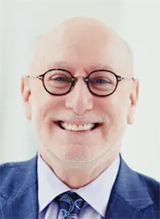
Dr. Michael Schrift is a Professor in the Department of Psychiatry and Behavioral Sciences at the University of Washington. He currently is an attending neuropsychiatrist at the Brain & Memory Center at Harborview Medical Center. He is he the director of the Behavioral Neurology/Neuropsychiatry Fellowship Training Program. He previously was the Division Director of Geriatric Psychiatry & Neuropsychiatry in the Department of Psychiatry and Behavioral Sciences at Northwestern University Feinberg School of Medicine in Chicago. He was also the director of the fellowship training program in Geriatric Psychiatry, co-director of the Clinical Neuroscience Fellowship program, and the director of the Neuromodulation Program and the Cancer Neuropsychiatry Program. He has many years of experience treating patients with Parkinson’s disease, Huntington’s disease, and Wilson’s, among other neuropsychiatric disorders. He also is an attending neuropsychiatrist in the Harborview Memory and Brain Wellness Clinic.
Dr. Schrift is the Book Review Editor for the Journal of Neuropsychiatry and Clinical Neurosciences.
He is board-certified in Psychiatry by the American Board of Psychiatry and Neurology as well as board certified in Behavioral Neurology and Neuropsychiatry by the United Council for Neurologic Subspecialties. He has training in Bioethics and serves on the ethics committee at Harborview Medical Center. Dr. Schrift is a fellow of the American Neuropsychiatric Association.
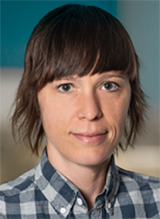
I am a child and adolescent psychiatrist at Seattle Children’s Hospital and faculty member at the University of Washington Medicine. My SCH practice locations include the Gender Clinic (Adolescent Medicine), Outpatient Psychiatry Clinic, Autism Center, and the inpatient unit- Psychiatry and Behavioral Medicine Unit (PBMU). I believe in delivering compassionate, evidence-based care in supporting patients and their families. My approach is both comprehensive and patient-centered, as it is important to consider the needs of the individual while also appreciating societal and cultural context. I specialize in working with diverse patient populations with various marginalized identities, such as those who identify as LGBTQ, gender diverse, and/or neurodiverse. I also work closely with the Adolescent Medicine Gender Clinic in supporting any mental health needs of transgender/gender diverse youth and their families. I also collaborate with colleagues in specialty medical clinics to coordinate care of medically complex patients. Additionally, I serve as a consultant with various school programs to support mental health initiatives and advocacy efforts.
Academically, I am involved with several initiatives both locally and nationally, particularly those that work to promote diversity and equity. I serve on committees supporting the SCH/UW CAP Fellowship Program, educating trainees and students through direct clinical supervision as well as with lectures and discussions. On a national level, I serve on the Sexual Orientation and Gender Identity Issues Committee (SOGIIC) for the American Academy of Child and Adolescent Psychiatry (AACAP). My clinical research focuses on finding strategies to better support the mental health and well-being of patients and families who are LGBTQ+. Additionally, I work on studies that explore the intersection between gender diversity and neuro diversity/autism spectrum.
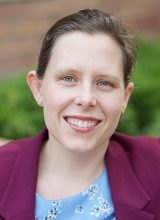
Personal Statement
I am a board certified psychiatrist and work at Fred Hutchinson Cancer Center. I am a Clinical Assistant Professor of Psychiatry and Behavioral Sciences at the University of Washington. I obtained a fellowship in consultation-liaison psychiatry, a specialty that focuses on providing psychiatric care for people with complex medical conditions. My primary clinical focus is people with cancer.
I love my work. Being ill is a vulnerable time and my goal is to ease suffering and provide a sense of connection and understanding for all I work with. I believe in working collaboratively with patients and families. We work together to identify what the goals of treatment are. I have expertise in diagnosis, psychopharmacology and psychotherapy and adapt my recommendations to best serve the goals of the person before me.
I am also passionate about education. I am the site director at Fred Hutch Cancer Center for our Psycho-oncology Fellowship Program. I supervise Cl fellows, addiction fellows, psychiatry residents and provide education to social workers and psychology trainees.