Personal Statement
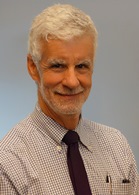
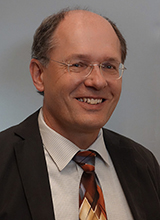
My clinical service and research focuses on the interaction of mental and physical illness, especially in patients with chronic pain. Much of my research in recent decades has focused on the risks of treating chronic pain with opioids. I have developed educational programs and outcome tracking tools to assist with opioid treatment of chronic pain. I have published a book about patient empowerment in chronic disease care, The Patient as Agent of Health and Health Care (Oxford, 2017). I have another book written with Jane Ballantyne forthcoming, The Right to Pain Relief and other deep roots of the opioid epidemic (Oxford, 2022).
Personal Statement
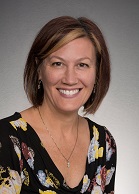
Early in my training it became clear that intense pathology transfixed me so inpatient psychiatry was a natural fit. My specific area of expertise within psychiatry is care of the acutely ill hospitalized psychiatric patient. I have also developed clinical expertise in the diagnosis and management of Catatonia. In addition to clinical care, education is another area of interest. I love to teach and it has been the focus of my career. I am intimately involved in the education of psychiatry residents and am a founding faculty member of the Clinician-Teacher Pathway for our residency program. In addition to teaching medical students and residents, I regularly educate primary care providers on detection and treatment of psychiatric illnesses in primary settings. I assumed the role of Vice Chair of Education in 2020 and in that role I oversee all educational efforts for our department.
Personal Statement
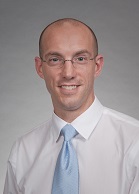
I am a board-certified Psychiatrist at Harborview and UW Medicine and a UW Associate Professor of Psychiatry and Behavioral Sciences.
I enjoy acting as a consultant to my patients in helping them achieve their healthcare and life goals.
My clinical interests include medical student and resident education, medical co-morbidities of psychiatric patients and evidenced-based medicine. I practice, teach, and supervise in Harborview’s acute inpatient psychiatric units as an Attending Physician and Medical Director of Inpatient Psychiatry.
Personal Statement
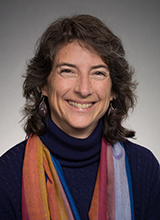
My primary interests are Nutrition and Lifestyle Psychiatry, Cultural Psychiatry and the interface of Religion and Spirituality with Psychiatry. I love guiding patients to achieve healing using a domains of health approach- addressing Nutrition, Sleep, Relaxation, Movement and Connectedness/ Purpose.

Personal Statement
I am a Professor in the Department of Psychiatry and Behavioral Sciences at the University of Washington and licensed Clinical Psychologist who specializes in development and evaluation of technology-based approaches in the study, assessment, treatment, and prevention of mental illness. This work includes development of illness self-management apps for people with schizophrenia, texting interventions, behavioral sensing/digital phenotyping, computational psychiatry/predictive modelling, applications of Natural Language Processing (NLP), and development of culturally-relevant digital mental health resources for communities in low-and-middle-income countries.
My research has been supported by grants and awards from the National Institutes of Health (NIH), National Science Foundation (NSF), Center for Medicare and Medicaid Innovation (CMMI) Patient Centered Outcomes Research Institute (PCORI), SYNERGY Clinical and Translational Science Institute, Myrtlewood Foundation, and John Sloan Dickey Center for International Understanding. I publish extensively in scientific journals and am a regular speaker at national and international scientific meetings including invited presentations at the White House and National Institute of Mental Health Director’s Innovation Speaker series. I have written editorials and commentaries on the use of technology-based interventions for Psychiatric Services, the BMJ, and the New York Times, and my research has been covered by Public Radio, Nature, Wired Magazine, Slate, and The Economist. I served on the Editorial Board of Schizophrenia Bulletin and am the Inaugural Editor of the “Technology in Mental Health” Column for Psychiatric Services (APA journal).
Personal Statement
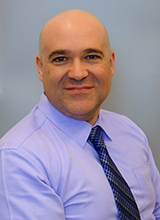
I am a licensed clinical psychologist in Washington State. I am the Director of the University of Washington School of Medicine’s Psychology Internship Program which is accredited by the American Psychological Association’s Office of Program Consultation and Accreditation. And, I conduct research on health and risk behaviors across the lifespan. Specifically, I have conducted research in the areas of college student alcohol use, young adult gambling behavior, and co-morbidity of substance use and mental health/risk behaviors (i.e. risky sexual behaviors). I have extensive experience working with college students/young adults, military/veteran, and minority/diverse populations. I am also interested in mental health issues including depression, anxiety, and PTSD. I maintain an active clinical practice in the areas of mental health issues with patients diagnosed with hematological and oncological illness and have clinical responsibilities at the Fred Hutchinson Cancer Center. I also provide clinical supervision for psychology residents and psychology practicum students at Fred Hutchinson Cancer Center as well. Overall, my professional aspirations are to improve the public health through empirically-supported psychological interventions and providing mentorship to diverse trainees to expand the reach of psychology.
Personal Statement
Dr. Unützer’s work focuses on improving access to mental health care, integrating mental health and general medical services, and translating research on effective mental health interventions into clinical and public health practice. He has published over 350 scientific papers and is the recipient of numerous federal and foundation grants and awards for his work on integrated behavioral health care. He works with national and international organizations dedicated to improving behavioral health care for diverse populations and he has served as a Scientific Advisor to the World Health Organization and the President’s New Freedom Commission on Mental Health.