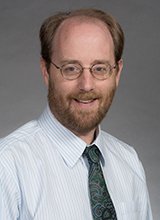
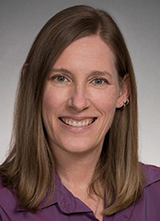
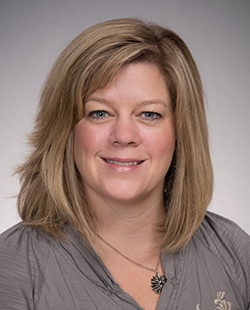
Dr. Charles Engel is Professor in the Department of Psychiatry and Behavioral Sciences at the University of Washington School of Medicine, Core VA HSR Investigator in the Seattle Center for Innovation, Co-Director of the Center’s Advanced Fellowship on Health Systems Research, and Adjunct Physician Policy Researcher at the RAND Corporation. Engel’s work focuses on trauma-informed health systems and strategies for improving the quality of primary care for chronic mental and physical health conditions. His research has covered traumatic injury and post-trauma syndromes ranging from blast injury, mild traumatic brain injury and Gulf War syndrome to PTSD and depression. Engel is experienced at mixed qualitative and quantitative methods and has led large pragmatic randomized trials, program evaluations, and implementation science studies. He has authored or coauthored nearly 200 scholarly papers, including in the New England Journal of Medicine, JAMA, and the American Journal of Psychiatry. Funding for his work has come from the National Institutes of Health, Centers for Disease Control, Department of Veterans Affairs, Department of Defense and other organizations. Before joining UW Psychiatry and the AIMS Center in 2021, Dr. Engel was Senior Physician Policy Researcher at the RAND Corporation from 2013 to 2020 and Associate Chair (Research) at Uniformed Services University’s Department of Psychiatry from 2001-2013. Engel has served on the board of directors of the International Society for Traumatic Stress Studies, has testified twice before Congress, received a number of awards, and delivered invited lectures in over 10 countries. He received both his MD and MPH from the University of Washington.
Robert Hilt, MD is a Professor in the UW Department of Psychiatry and Behavioral Sciences and a psychiatrist at Seattle Children’s Hospital. He is the program director for the Partnership Access Line (PAL), a child mental health consultation service for primary care providers in Washington, Wyoming and Alaska. He is the Program Director for the Medicaid Medication Second Opinion Programs of Wyoming, Washington and Alaska, and Multidisciplinary Team (MDT) Psychiatric Consult Service in Wyoming for children in foster care. He has been involved in several collaborative care projects, in school support projects, and has helped to establish a statewide mental health referral service in Washington. Dr. Hilt’s primary interest is to increase professional collaboration between child psychiatrists and pediatric medical providers, and to increase access to high quality care.
As a practicing psychiatrist and health services researcher, I seek to improve mental health services in medical settings, especially among underserved populations. I work with colleagues in a wide array of disciplines (medical, public health, engineering and others) to develop new ways to increase the reach of evidence-based mental health services using technology-enabled service models to leverage limited specialty mental health expertise. I have a strong interest in using consumer technologies to empower patients, improve communication with providers, and provide targeted treatment.
My passion for patient care is the core of who I am as a physician. As a consultation-liaison (C-L) psychiatrist, I have unique and broad teaching opportunities. The C-L role lets me teach non-psychiatrist peers, trainees from other specialties, and professionals from other disciplines. I particularly like helping providers to understand their patients’ psychiatric ailments, the complex interplay among psychiatric conditions and general medical problems, and the goals for recovery. Furthermore, I provide active support to patients and their families as they navigate our highly complex medical system with their illnesses and fears. Since the beginning of my tenure, I have been involved in the administrative aspects of medical student, resident and fellow training and curricular development. Education is the common thread that unites all of my academic activities. I have served as an Associate Program Director for 13 years at UWMC, Program Director of the Adult Psychiatry Residency program for 5 years and now work in CL psychiatry at the VA Puget Sound Health Care System. I am currently the Associate Program Director (APD) for the site and a core APD for Evaluation of our residency program.
I am the Psychiatry Chief of Service for both campuses of the University of Washington Medical Center. I also direct our Psychiatric Consultation and Telepsychiatry Program. My clinical focus is on patients who are hospitalized with simultaneous psychiatric and medical issues. Academically, I most often teach psychiatry trainees about psychopharmacology for refractory mood, anxiety, and psychotic disorders.
I am a board certified psychiatrist and work at Fred Hutchinson Cancer Center. I am a Clinical Assistant Professor of Psychiatry and Behavioral Sciences at the University of Washington. I obtained a fellowship in consultation-liaison psychiatry, a specialty that focuses on providing psychiatric care for people with complex medical conditions. My primary clinical focus is people with cancer.
I love my work. Being ill is a vulnerable time and my goal is to ease suffering and provide a sense of connection and understanding for all I work with. I believe in working collaboratively with patients and families. We work together to identify what the goals of treatment are. I have expertise in diagnosis, psychopharmacology and psychotherapy and adapt my recommendations to best serve the goals of the person before me.
I am also passionate about education. I am the site director at Fred Hutch Cancer Center for our Psycho-oncology Fellowship Program. I supervise Cl fellows, addiction fellows, psychiatry residents and provide education to social workers and psychology trainees.
I am a consultation-liaison psychiatrist and health services researcher in the Department of Psychiatry and Behavioral Sciences and Adjunct Professor in the Departments of Rehabilitation Medicine and Epidemiology. I am also Medical Director of the Department of Psychosocial Oncology at Fred Hutchinson Cancer Center.
My research interests are in psychiatric epidemiology, health services research, psychiatric oncology, and neuropsychiatry. In my clinical practice, I use a comprehensive, multifaceted approach that may include medications or counseling to help patients achieve their goals. My primary interest is helping people who are coping with medical illness. I am particularly interested in developing better approaches to delivering person-centered psychiatric care to these populations.
I am a Clinical Assistant Professor in the Department of Psychiatry and Behavioral Sciences at the University of Washington. I received my MD from New York University and completed my adult residency at the Harvard Massachusetts General Hospital/McLean Hospital program where I was chief resident. I then went on to complete a fellowship in psychosomatic medicine at the University of Washington. I am currently on faculty at Harborview Medical Center on the inpatient psychiatry consult service.
I have a longstanding interest in the intersection between medicine and psychiatry, and am the author of numerous published articles on topics ranging from the neuropsychiatric effects of steroids to managing borderline personality disorder in the primary care setting. I have a particular interest in the use of electroconvulsive therapy, including in the treatment of catatonia. I am currently involved in research projects in conjunction with the division of nephrology and the neurosurgery department. In addition to my clinical and research interests, I am also an associate program director for the UW Adult Psychiatry Residency at Harborview Medical Center.
I am an Associate Professor in the UW Department of Psychiatry and Behavioral Sciences at the University of Washington. I am currently on faculty at Harborview Medical Center on the inpatient psychiatry service. My specific area of expertise is in the evaluation and treatment of psychiatric disorders across the female life cycle, including psychiatric conditions through pregnancy and postpartum period. I am passionate about helping and supporting moms navigate challenges related to reproductive losses, pregnancy, birth, and the postpartum period.
My clinical service and research focuses on the interaction of mental and physical illness, especially in patients with chronic pain. Much of my research in recent decades has focused on the risks of treating chronic pain with opioids. I have developed educational programs and outcome tracking tools to assist with opioid treatment of chronic pain. I have published a book about patient empowerment in chronic disease care, The Patient as Agent of Health and Health Care (Oxford, 2017). I have another book written with Jane Ballantyne forthcoming, The Right to Pain Relief and other deep roots of the opioid epidemic (Oxford, 2022).