Personal Statement
I came to the UW to train in psychosomatic medicine and to work in a complex comorbid population as a clinician and a teacher. Most medical and surgical patients served at Harborview will have psychosocial needs; often these are as critical to their recovery and health as somatic health problems. Working across disciplines is challenging but also clinically valuable, intellectually stimulating, and exciting to our trainees when we can address care in a more integrated and holistic manner. I like to focus my academic work on defining what the needs of Harborview’s clinical population are, and how our busy psychiatric consultation services can be best utilized to promote the health of our patients and our institutions.
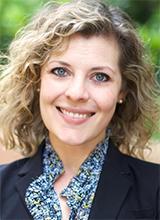
As a psycho-oncologist at Fred Hutchinson Cancer Center (FHCC), I serve patients as a psychiatrist specializing in mental health issues arising during the course of cancer and hematologic diseases. My approach to care is person-centered, focusing on your story as a person as well as a patient, and combining psychotherapeutic and pharmacologic approaches to help you navigate your journey with medical illness.
I bring fellowship training in consultation-liaison psychiatry to understanding the interplay between medical conditions and mental health issues, and I believe that partnering with both patients and their medical teams is essential to create a successful plan of care. While I often oversee psychiatric medications during cancer treatment, I also have a background in supportive, psychodynamic, CBT-focused, and meaning-centered psychotherapy, and I incorporate psychotherapy elements into each appointment.
Within the field of psycho-oncology, my specific interests include working with palliative care populations, supporting existential issues that arise during journeys with cancer, and strengthening collaborative care models in oncology settings. I am also fortunate to teach outstanding UW psychiatry residents and fellows who complete clinical rotations at FHCC.
Personal Statement
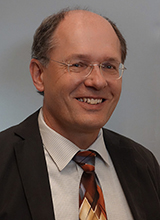
Dr. Unützer’s work focuses on improving access to mental health care, integrating mental health and general medical services, and translating research on effective mental health interventions into clinical and public health practice. He has published over 350 scientific papers and is the recipient of numerous federal and foundation grants and awards for his work on integrated behavioral health care. He works with national and international organizations dedicated to improving behavioral health care for diverse populations and he has served as a Scientific Advisor to the World Health Organization and the President’s New Freedom Commission on Mental Health.