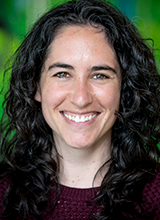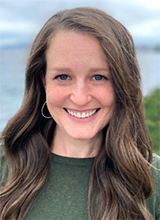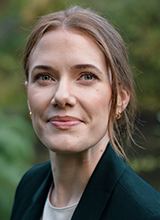
Sheena Friesen, PhD (she/her), is the attending psychologist for the Child Program on the inpatient Psychiatry and Behavioral Medicine Unit at Seattle Children’s Hospital and Assistant Professor in the Department of Psychiatry and Behavioral Sciences at the University of Washington. She has clinical expertise in disruptive behavior disorders, comprehensive assessment, Dialectical Behavior Therapy, Exposure Therapies, Parent Training, and Trauma-Focused Cognitive Behavioral Therapy.
Dr. Friesen’s research interests broadly focus on advancing knowledge of least restrictive interventions in acute and complex care contexts, trauma-informed care, and interventions designed to address children’s disruptive behavior problems. She has collaborated on and co-led efforts to design and implement a multi-tiered, Modified Positive Behavioral Interventions and Supports (M-PBIS) model of care aimed at increasing positive behavior interventions, reducing restraint and PRN use, and ameliorating racial gaps in care delivery.
Dr. Friesen received her Ph.D. in School Psychology from the University of Washington in Seattle, WA. She completed her pre-doctoral internship training at Johns Hopkins School of Medicine and Kennedy Krieger Institute and went on to complete her postdoctoral fellowship in acute care and clinical psychology at Seattle Children’s Hospital.
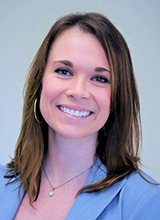
I am a trained Behavioral Scientist with a PhD in Health & Human Performance. The main goal of my work is to reduce substance-related harms and improve quality of life for people experiencing problems related to their substance use. I work closely with community members who use drugs to inform my line of research and address key needs identified. My primary appointment is at the Harm Reduction Research and Treatment (HaRRT) Center within the UW School of Medicine and hold an Affiliate Faculty appointment within the School of Public Health. My aim is to adapt, refine, and disseminate harm reduction programs through digital health interventions to empower individuals and ameliorate substance-related harms.
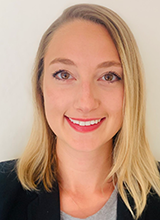
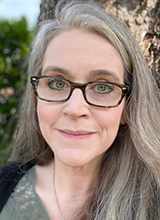
Dr. Walukevich-Dienst (hear my name) is a licensed clinical psychologist and an Assistant Professor at the University of Washington.
Her research is focused on identifying psychosocial and contextual factors associated with alcohol and cannabis misuse and co-use among young adults, including social influences (e.g., romantic partners, use partnerships), affect management motives, co-occurring mental health concerns, and high-risk substance use events and contexts.
Dr. Walukevich-Dienst aims to leverage this information to develop and test innovative, technology-informed prevention and intervention efforts to disseminate in real world settings.
She also provides psychotherapy to patients at the University of Washington’s Outpatient Psychiatry Clinic and provides supervision and training to psychology graduate students and psychiatry residents in Cognitive Behavioral Therapy.
Link to Dr. Walukevich-Dienst’s CV.
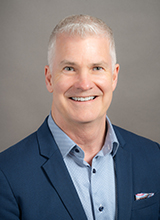
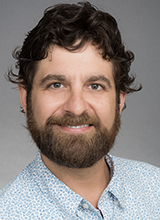
Nathan Sackett, MD, MS is trained as an addiction psychiatrist, focusing on the intersection between substance use and psychiatric disorders. He attended medical school and nursing school at UCSF, graduate school at UC Berkeley and completed his adult psychiatry residency and addiction psychiatry fellowship at the University of Washington. He is now a junior faculty at the University of Washington in the Department of Psychiatry and Behavioral Sciences where he splits his time between seeing patients and research. Clinically, he works primarily outpatient seeing a range of patients with primary psychiatric issues and substance use disorders. His research focuses on the use of psychedelics to treat substance use disorders with a particular interest in how psychedelics can augment the psychotherapeutic process and facilitate behavioral change. When he is not working, he is spending time with his family and playing in the ocean.
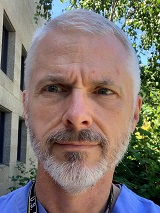
I am a clinical psychologist with board certification in geriatric psychology. I am based in the Geriatrics and Extended Care Service of the VA Puget Sound Healthcare System.