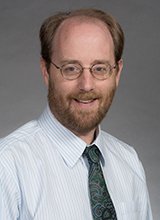
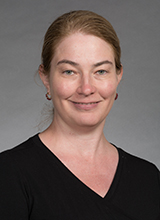
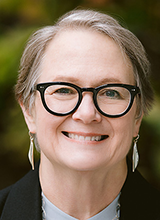
Robert Hilt, MD is a Professor in the UW Department of Psychiatry and Behavioral Sciences and a psychiatrist at Seattle Children’s Hospital. He is the program director for the Partnership Access Line (PAL), a child mental health consultation service for primary care providers in Washington, Wyoming and Alaska. He is the Program Director for the Medicaid Medication Second Opinion Programs of Wyoming, Washington and Alaska, and Multidisciplinary Team (MDT) Psychiatric Consult Service in Wyoming for children in foster care. He has been involved in several collaborative care projects, in school support projects, and has helped to establish a statewide mental health referral service in Washington. Dr. Hilt’s primary interest is to increase professional collaboration between child psychiatrists and pediatric medical providers, and to increase access to high quality care.
Personal Statement
I am a board certified child and adolescent psychiatrist in the Pediatric Clinic at Harborview, Seattle Children’s Hospital, and Odessa Brown Children’s Clinic in the Division of Psychiatry and Behavioral Medicine.
In my clinical work, I strive to create active partnerships with my patients and their families to achieve the best possible outcomes regardless of their needs and circumstances. I am lucky to have great behavioral health and primary care partners across the different clinics I work in, who are invaluable collaborators in caring for our patients and families.
I am involved in the child and adolescent training program and supervises trainees at several outpatient clinics. My clinical and research interests include integrating mental healthcare into primary care settings, ADHD, disruptive behaviors, aggression, trauma-related disorders, and improving clinical supervision of child and adolescent psychiatry trainees.
Personal Statement
As a practicing psychiatrist and health services researcher, I seek to improve mental health services in medical settings, especially among underserved populations. I work with colleagues in a wide array of disciplines (medical, public health, engineering and others) to develop new ways to increase the reach of evidence-based mental health services using technology-enabled service models to leverage limited specialty mental health expertise. I have a strong interest in using consumer technologies to empower patients, improve communication with providers, and provide targeted treatment.
Personal Statement
I am experienced in the evaluation and treatment of a range of psychiatric conditions including anxiety and panic, mood disorders, psychosis, obsessive-compulsive disorder, posttraumatic stress disorder and personality disorders. I work with adult and geriatric patients in the outpatient setting.
Personal Statement
Dr. Lewy maintains a practice with immigrants and refugees at Harborview Hospital. Core practice specialties include assessment, forensics, disability, cross cultural psychology, and clinical child psychology. Core academic interests include anthropological and sociological perspectives on mental illness.
Personal Statement
I am interested in mood and anxiety disorders and the intersection of these with chronic medical illnesses. My approach to treatment is integrative. Working within a cognitive-behavioral framework, I use many traditional CBT methods, including hypnosis, mindfulness training, and concepts from third-generation cognitive and behavioral methods.
Personal Statement
I am a child and adolescent psychiatrist at Seattle Children’s Hospital and UW Medicine and the director of mental health services at Echo Glen Children’s Center. I specialize in cross cultural psychiatry, transgender mental health and mental health for the deaf and hard of hearing. I strive to create active partnerships with his patients and their families to achieve the best possible outcomes.
Personal Statement
Dr. Jakupcak studies and treats posttraumatic stress disorder (PTSD) and associated high risk behaviors such as substance abuse and violence. He is also interested in novel treatment approaches to PTSD, including Behavioral Activation (BA) and primary care based treatment models. Dr. Jakupcak is currently funded to study BA and cognitive skills training for returning Veterans with PTSD and mild traumatic brain injury (mTBI).