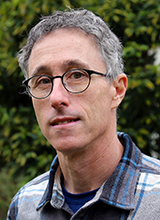
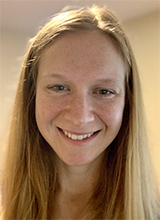
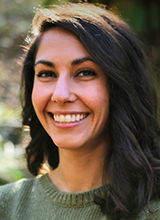
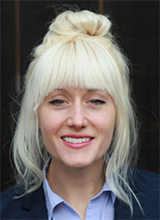
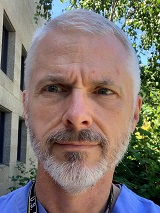
I am a Research Associate Professor in the Department of Psychiatry and Behavioral Sciences and in the UW Psychology Department, where I am Director of the Center for the Science of Social Connection. I also am a member of the leadership team of the UW Medicine’s Office of Healthcare Equity, where I am Director of EDI Training and Education. My research and training efforts focus on understanding and intervening on bias and microaggressions, improving EDI training and consultation efforts, and developing close relationships especially across the differences that typically divide us.
I use the pronouns he, him, his.
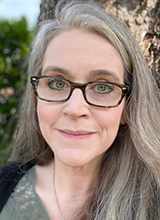
My research broadly aims to better understand the etiology of depression and risk behaviors such as suicide and substance use across development, and translate findings to inform prevention and intervention strategies for youth and families. My work focuses on partnering with communities and primary care clinics to improve access to and use of effective mental health services.
My current projects include studies focused on adapting and evaluating suicide prevention intervention and implementation strategies for use with adolescents and their families in primary care and outpatient medical settings, including developing and adapting brief, just-in-time, and digital interventions to expand access to services.
In addition to research, I am also a clinical psychologist in the Mood and Anxiety Disorders Program and the Crisis Care Clinic at Seattle Children’s Hospital.
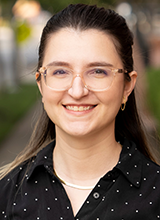
Areas of clinical practice:
SLU at Fred Hutch Cancer Center and UW Diabetes Institute
My passion and background are working with individuals with serious medical conditions, primarily cancer but also other chronic health conditions. I split my clinical time between FHCC and UW Diabetes Institute. I also passionate about conducting research about existential distress and post-traumatic growth in oncology.
Clinical Approach:
I practice an interpersonal approach to psychotherapy, rather than solely structured one. I enjoy building a collaborative relationship with my patients to identify goals to work on in therapy. I really want our time together to be worthwhile. There’s only so much time and energy someone with a major illness has. I am a big fan of the spoon theory and don’t want to be wasting their spoons. I love to use humor, metaphor and stories. I also find it important to provide space and opportunities to discuss heavier topics related to prognosis, morality, grief and legacy. I enjoy supporting patients with meaning making and trying to answer difficult questions such as “What’s the meaning of all this? How can we help patients live well with what life is remaining?”
Personal History:
I have a small, supportive family with my partner and our dog. Growing up, I was close with my grandparents. My grandfather who lived with Parkinson’s disease for most of my life. Parkinson’s has a lot of physical symptoms, but also mood symptoms. Additionally, he also lived with chronic melanoma and prostate cancer. His health had a large impact on his life, our family, and how I now view quality of life during treatment and at end of life. He always faced challenges and changes in his functioning with humor and creative to continue to engage in active he enjoyed like travel, golf and a fancy meal. Around the time I started graduate school for psychology, he passed away. His legacy influenced me work with people who were living with serious medical conditions or acquired new disability. I want to help patients live with it instead of against it.
Dr. Blayney’s research aims to understand the risks for and consequences of sexual victimization. More specifically, this work centers around how social contexts influence sexual victimization risk as well as variation in post-victimization recovery, such as posttraumatic stress disorder, alcohol use, and sexual risk behaviors.
I am a clinical psychologist with board certification in geriatric psychology. I am based in the Geriatrics and Extended Care Service of the VA Puget Sound Healthcare System.
I am a clinical psychologist and researcher. My research focuses on pediatric psychology, intervention science, and leveraging digital technologies to disseminate and implement evidence-based psychosocial interventions for children, teens, and young adults with serious medical conditions and co-occurring anxiety, stress, and depression. Digital mental health care initiatives have the potential to scale-up interventions and overcome structural barriers and unequal access to psychosocial care. Current and future research investigations aim to help improve patient and family coping skills, psychosocial well-being, and quality of life by developing and implementing evidence-based mental health interventions.
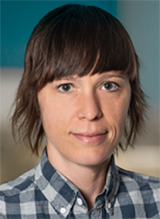
I am a child and adolescent psychiatrist at Seattle Children’s Hospital and faculty member at the University of Washington Medicine. My SCH practice locations include the Gender Clinic (Adolescent Medicine), Outpatient Psychiatry Clinic, Autism Center, and the inpatient unit- Psychiatry and Behavioral Medicine Unit (PBMU). I believe in delivering compassionate, evidence-based care in supporting patients and their families. My approach is both comprehensive and patient-centered, as it is important to consider the needs of the individual while also appreciating societal and cultural context. I specialize in working with diverse patient populations with various marginalized identities, such as those who identify as LGBTQ, gender diverse, and/or neurodiverse. I also work closely with the Adolescent Medicine Gender Clinic in supporting any mental health needs of transgender/gender diverse youth and their families. I also collaborate with colleagues in specialty medical clinics to coordinate care of medically complex patients. Additionally, I serve as a consultant with various school programs to support mental health initiatives and advocacy efforts.
Academically, I am involved with several initiatives both locally and nationally, particularly those that work to promote diversity and equity. I serve on committees supporting the SCH/UW CAP Fellowship Program, educating trainees and students through direct clinical supervision as well as with lectures and discussions. On a national level, I serve on the Sexual Orientation and Gender Identity Issues Committee (SOGIIC) for the American Academy of Child and Adolescent Psychiatry (AACAP). My clinical research focuses on finding strategies to better support the mental health and well-being of patients and families who are LGBTQ+. Additionally, I work on studies that explore the intersection between gender diversity and neuro diversity/autism spectrum.
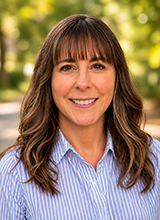
Dr. Jenness is a clinical child psychologist and Associate Professor in the Department of Psychiatry and Behavioral Sciences at the University of Washington. She earned her Ph.D. in Clinical Psychology from the University of Denver in 2015. Her past research includes NIMH-funded studies on the neural and behavioral changes that predict treatment response to behavioral activation for depressed adolescents (K23/NARSAD). As the director of the Adolescent Depression and Intervention Innovations (ADII) lab, her recent work focuses on innovative digital treatment approaches to improve adolescent depression care. Current projects include 1) adapting behavioral activation to an online platform, ActivaTeen (R03, NIMH R34); 2) leveraging paraprofessional coaching of video-guided depression care (Garvey Innovation Grant); and 3) developing and testing a digital just-in-time adaptive intervention (Sidekick; NIMH R61) as a first-step adolescent depression treatment within primary care settings. In addition to research, Dr. Jenness is an Attending Psychologist in the Mood and Anxiety Disorders Program at Seattle Children’s Hospital where she primarily treats adolescent depression and suicide. She has also trained mental health professionals at various sites around the US in the use of behavioral activation with adolescents.