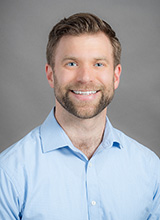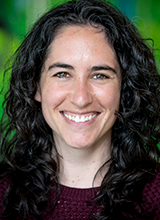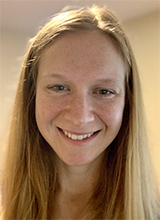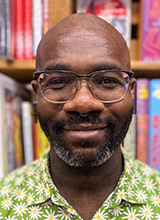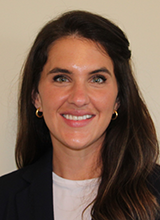
I am a licensed clinical psychologist in the University of Washington’s Department of Psychiatry and Behavioral Sciences, working in adult inpatient care within the Center for Behavioral Health & Learning. I bring specialized training in serious mental illness, inpatient psychiatric care, serving populations with comorbid substance use and/or medical complexity, and enjoy working collaboratively within multidisciplinary teams to optimize patient-centered care. I also bring a global public health background in improving service delivery and access in low-resource settings across Africa and Asia.
I graduated with a PsyD in clinical psychology from the University of Denver, after completing my pre-doctoral internship at Mt. Sinai/Elmhurst Hospital in New York. During this internship, I completed rotations in the adult inpatient unit, the child partial hospitalization program, psychiatric emergency room services, and the consultation-liaison psychiatric service, serving a patient population that is among the most ethnically and culturally diverse in the world. I am dedicated to providing high quality, empathetic, and innovative interventions to our inpatient population.
I am an Acting Assistant Professor in the Department of Psychiatry and Behavioral Sciences at the University of Washington, primarily working clinically at Harborview Medical Center. I work with the Recovery Clinic, Intake and Brief Intervention Services (IBIS), the Behavioral Health Integration Program (BHIP), and Addiction Consult Service.
I am fellowship-trained in Addiction Psychiatry, and board certified in both general and addiction psychiatry by the American Board of Psychiatry and Neurology. My passion is providing excellent, compassionate and comprehensive psychiatric care to my patients regardless of background or resources. I believe quality healthcare is a human right for all people and am excited help make that a reality as part of the Harborview system.
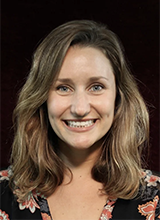
Dr. Sandel-Fernandez’s research is focused on predicting impulsive and risk behaviors as they occur in people’s daily lives. She has conducted numerous studies using ecological momentary assessment (EMA) and self-monitoring data from therapy to build person-specific models of symptom dynamics including self-harm, substance use, and suicide attempts.
Dr. Sandel-Fernandez often takes an idiographic (person-specific) analysis approach to answer the question of when in time a person is most at risk for engaging in behaviors they would like to avoid, based on their context, emotions, and personal triggers. Her career goal is to improve treatment outcomes by tailoring evidence-based care to people’s diverse symptom experiences.
Dr. Sandel-Fernandez also studies the use of digital tools and AI in mental health research, training, and treatment. This currently includes: prediction of suicide risk from internet (Google, YouTube, and TikTok) use, a pilot of mobile suicide risk monitoring in UW primary care, and development of an AI-supported simulation training laboratory with simulated patients that trainees can use to hone their clinical skills.
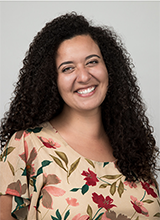
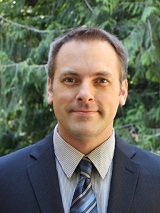
I am a faculty member and licensed clinical psychologist in the University of Washington’s Department of Psychiatry and Behavioral Sciences. Before joining this department, I completed my Ph.D. in clinical psychology at Purdue University, residency at the University of Washington, and fellowship at the University of Pennsylvania.
My research interests primarily center around romantic relationship functioning and personality disorder (PD) measurement. My line of PD research centers around how the use of a trait-based, dimensional approach to assessing and measuring PDs may increase construct validity, reliability, and diagnostic accuracy relating to PDs. My romantic relationship research centers around how romantic relationship functioning and interpersonal behaviors are associated with psychopathology diagnoses and symptoms.
As a clinician, I specialize in treating suicidality and self-harm using comprehensive Dialectical Behavior Therapy; in treating PTSD using Cognitive Processing Therapy and Prolonged Exposure; and in treating anxiety-related disorders using exposure therapies like Exposure and Response Prevention for OCD and Exposure for Social Anxiety. I am also passionate about providing couples’ therapy.
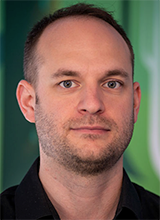
My research broadly aims to better understand the etiology of depression and risk behaviors such as suicide and substance use across development, and translate findings to inform prevention and intervention strategies for youth and families. My work focuses on partnering with communities and primary care clinics to improve access to and use of effective mental health services.
My current projects include studies focused on adapting and evaluating suicide prevention intervention and implementation strategies for use with adolescents and their families in primary care and outpatient medical settings, including developing and adapting brief, just-in-time, and digital interventions to expand access to services.
In addition to research, I am also a clinical psychologist in the Mood and Anxiety Disorders Program and the Crisis Care Clinic at Seattle Children’s Hospital.
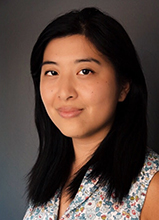
I am an Acting Assistant Professor and licensed clinical psychologist in the Department of Psychiatry & Behavioral Sciences at the University of Washington School of Medicine. I received my Ph.D. in clinical psychology from the University of California, Berkeley and completed by postdoctoral training at the University of Washington. I am also a consultant for multiple teaching and implementation projects aimed helping community mental health providers deliver effective evidence-based trauma-informed care.
My career goal is to help survivors of complex trauma learn to thrive. My research and clinical work explores how mobile technology, principles of evidence-based practice, and our sociocultural context can be used to help survivors of trauma and their communities recover faster. My work specifically emphasizes recovery from complex racial trauma and other forms of identity-based trauma.
Dr. Prater holds a doctorate in public health from the Ohio State University, with a focus in health services research, pragmatic intervention development and policy evaluation. Her work focuses on understanding the circumstances around firearm suicide among vulnerable populations and developing health systems interventions for suicide prevention through firearm safety. Using a public health lens, she works on tailoring interventions to meet the unique needs of vulnerable populations (e.g. dementia, terminal illness) at increased risk for suicidal thoughts and behaviors. She is currently funded by the National Institutes on Aging and the American Foundation for Suicide Prevention to produce clinical decision-making tools to help persons with early dementia, their care partners, and primary clinicians, to make safer plans for firearm storage.
My primary areas of research include artificial intelligence, AI/machine ethics, behavioral health technologies, telemedicine, telehealth, forensic psychology, and military and Veteran population health. I’ve consulted widely on the topic of military and veteran health and technology in healthcare and have helped to develop national guidelines for telemental health, clinical best practices for technology-based treatments, and standards for human-AI interaction transparency. My vision is to build, and help others to build, technologies that help promote behavioral change and that improve the lives of people.