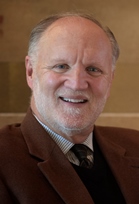
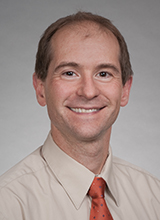
Dr. Dahyeon Kang is an Assistant Professor at the University of Washington School of Medicine. She earned her doctoral degree from the University of Illinois at Urbana-Champaign, where her work focused on the etiology of alcohol and substance use disorders through multimodal research methods, including alcohol administration, neuroimaging, transdermal biosensors, and ecological momentary assessments. At the University of Washington’s Department of Psychiatry, Dr. Kang investigates how individual and social factors interact to influence alcohol and cannabis use behaviors.
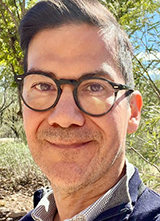
I am currently the Medical Director at the Garvey Institute Center for Neuromodulation and am providing leadership to help grow our portfolio in the area of Neuromodulation and Interventional Psychiatry. Before coming to the UW, I was the Muriel Harris Chair of Geriatric Psychiatry and Professor of Clinical Psychiatry at UCLA. While at UCLA, I held many administrative, clinical and teaching leadership positions including serving as Medical Director of Inpatient Geriatric Psychiatry, Chief of Staff of the UCLA Neuropsychiatric Hospital, Founding Faculty of the UCLA Neuromodulation Division, Medical Director of the ECT and Interventional Psychiatry Program, among others.
I recently became Editor-in-Chief of the Journal of ECT and Related Therapies, the official publication of the International Society of ECT and Neurostimulation. My research projects have included investigating various neuromodulation and interventional therapies and developing novel educational programs and curricula. I have an abiding interest in mentoring and helping faculty at the start of their careers and a commitment to fostering the advancement of women and underrepresented minority (URM) faculty in academic medicine.
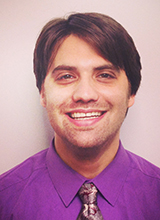
My clinical and research interests center around behavioral and psychological symptoms that present in neurodegenerative diseases, especially dementias. Though dementia is well-known to affect one’s memory and cognition, over 90% of people with dementia develop new neuropsychiatric symptoms – including apathy, dysphoria. anxiety, aggression, agitation, disinhibition, hallucinations, and delusions. Despite the ubiquity of these symptoms, very little is known about how they develop in dementia. My research interests are in understanding more about the molecular and cellular mechanisms of neuropsychiatric symptoms in dementia beyond the well-studied changes associated with cognitive deficits.
Along with my research mentor Martin Darvas PhD (Department of Laboratory Medicine and Pathology), we employ numerous approaches to better understand these neuropsychiatric symptoms, including techniques involving transcriptomic analyses of human and mouse post-mortem tissue, development and implementation of biomarkers derived from human and animal model fluids (plasma, serum, cerebrospinal fluid), virally-mediated gene manipulations, animal modeling of cognitive and neuropsychiatric phenotypes, and basic cellular and molecular biology techniques.
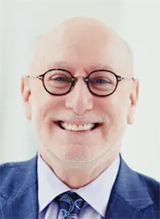
Dr. Michael Schrift is a Professor in the Department of Psychiatry and Behavioral Sciences at the University of Washington. He currently is an attending neuropsychiatrist at the Brain & Memory Center at Harborview Medical Center. He is he the director of the Behavioral Neurology/Neuropsychiatry Fellowship Training Program. He previously was the Division Director of Geriatric Psychiatry & Neuropsychiatry in the Department of Psychiatry and Behavioral Sciences at Northwestern University Feinberg School of Medicine in Chicago. He was also the director of the fellowship training program in Geriatric Psychiatry, co-director of the Clinical Neuroscience Fellowship program, and the director of the Neuromodulation Program and the Cancer Neuropsychiatry Program. He has many years of experience treating patients with Parkinson’s disease, Huntington’s disease, and Wilson’s, among other neuropsychiatric disorders. He also is an attending neuropsychiatrist in the Harborview Memory and Brain Wellness Clinic.
Dr. Schrift is the Book Review Editor for the Journal of Neuropsychiatry and Clinical Neurosciences.
He is board-certified in Psychiatry by the American Board of Psychiatry and Neurology as well as board certified in Behavioral Neurology and Neuropsychiatry by the United Council for Neurologic Subspecialties. He has training in Bioethics and serves on the ethics committee at Harborview Medical Center. Dr. Schrift is a fellow of the American Neuropsychiatric Association.
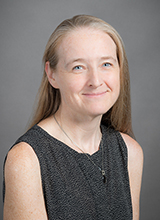
The Hendrickson research group explores underlying biological mechanisms related to the development and maintenance of posttraumatic stress disorder (PTSD) and related conditions, including mild traumatic brain injury, as well as the potential for interaction between different types of stress and trauma. Through the design and implementation of translational clinical studies, we apply this work directly to the pursuit of new treatment options for people who have experienced a traumatic stress.
A primary goal of our team is to understand broadly the ways traumatic stress interferes with people’s lives, and to prioritize the areas of greatest clinical need. We look for ways to prevent persistent symptoms after trauma, to match patients more quickly to the treatment options that will be most effective for them as individuals, and to develop new treatment options for those for whom current options are simply not adequate.
In addition to my research work, I am a staff psychiatrist in the VA PTSD Outpatient Clinic and a member of the VA Dialectical Behavioral Therapy (DBT) Team, and provide teaching and mentorship for residents in the UW Psychiatry Training Program.
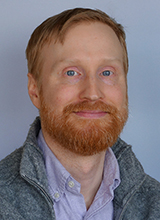
Personal Statement
My research interests cover two main areas:
1) development and use of novel radioligands for positron emission tomography (PET) in CNS disorders
2) cannabinoid pharmacology, and cannabis use disorder and comorbid neuropsychiatric disorders
My VA Career Development Award (VA equivalent of an NIH K-award) focuses on the translational development of imaging neuroinflammation with PET following repetitive blast mild traumatic brain injury (mTBI). In collaboration with David Cook’s lab, imaging neuroinflammation in a mouse model of repetitive mTBI provides an opportunity to compare imaging outcomes directly with histopathology in brain tissue, which is not possible in humans. In collaboration with Elaine Peskind, imaging neuroinflammation in Veterans with mTBI and persistent post-concussive symptoms provides neuroanatomical specificity to ongoing neuroinflammation, which to date has been informed using cerebrospinal fluid and serum biomarkers. To accomplish this, my laboratory evaluates and develops established and novel PET radioligands for biomarkers of neuroinflammation. Additionally, I am interested in developing novel radioligands for druggable targets for which there are no current, suitable radioligands available. I have several ongoing collaborations with other investigators at UW and VA in which I provide support with PET imaging.
As a clinician and researcher, I am interested in how patients use cannabis for perceived therapeutic effect, and the risks and adverse outcomes resulting from substantial or chronic cannabis use. These clinical patterns can now be placed into context with a better understanding of the endocannabinoid system (ECS), which provide opportunity for more selective and safer therapeutic drug development. Due in part to the recentness of discovery of the ECS, one of my goals is to educate clinical providers on the preclinical and evidenced based research conducted to date on cannabis use and the ECS so they are better informed when discussing cannabis use with patients, and better prepared for understanding mechanisms of anticipated ECS-based medications currently under development. A second goal is to conduct research on cannabis use disorder and comorbid conditions, and identification of therapies that might better address a patient’s desired outcome from cannabis use, thereby reducing the likelihood of its associated risks.