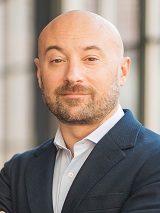
My clinical and research interests center around behavioral and psychological symptoms that present in neurodegenerative diseases, especially dementias. Though dementia is well-known to affect one’s memory and cognition, over 90% of people with dementia develop new neuropsychiatric symptoms – including apathy, dysphoria. anxiety, aggression, agitation, disinhibition, hallucinations, and delusions. Despite the ubiquity of these symptoms, very little is known about how they develop in dementia. My research interests are in understanding more about the molecular and cellular mechanisms of neuropsychiatric symptoms in dementia beyond the well-studied changes associated with cognitive deficits.
Along with my research mentor Martin Darvas PhD (Department of Laboratory Medicine and Pathology), we employ numerous approaches to better understand these neuropsychiatric symptoms, including techniques involving transcriptomic analyses of human and mouse post-mortem tissue, development and implementation of biomarkers derived from human and animal model fluids (plasma, serum, cerebrospinal fluid), virally-mediated gene manipulations, animal modeling of cognitive and neuropsychiatric phenotypes, and basic cellular and molecular biology techniques.
The Pravetoni group focuses on development and translation of medical interventions against substance use disorders (SUD) and other chemical and biological threats. Current efforts are: 1) vaccines, monoclonal antibodies (mAb), and small molecules to treat or prevent SUD, opioid use disorders (OUD) and overdose, 2) mechanisms and biomarkers underlying or predicting efficacy of immunotherapeutics and medications in pre-clinical models of SUD and OUD patients, 3) novel strategies to enhance vaccine or medication efficacy, including immunomodulators, small molecules, adjuvants, nanoparticles, polymers and other delivery platforms, 4) Vaccines, mAb, and clinical biomarkers against infectious diseases (e.g., Pseudomonas aeruginosa and novel coronavirus SARS-CoV-2), 5) biosensors for field detection or diagnosis.
I am a behavioral neuroscientist who earned my PhD from Rutgers University and completed a postdoc here, in the Psychiatry and Behavioral Sciences Department at the University of Washington. My lab, located in the MIRECC at VA Puget Sound, aims to identify the neural mechanisms underlying substance use disorders and maladaptive decision making.
My primary focus is studying the neurobiological consequences and predictors of chronic fentanyl use. To accomplish this, I utilize cutting-edge in-vivo optical neuroscience tools (photometry, optogenetics, miniscopes) along with a newly developed oral-fentanyl self-administration model for rats and mice. I am also the lead developer for DeepSqueak, a popular software package for bioacoustics analysis that integrates machine-vision algorithms with an intuitive graphical interface to accelerate animal communication research.
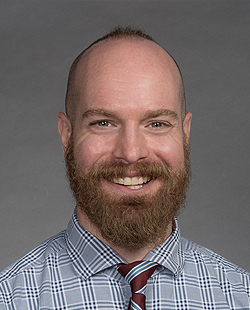
Personal Statement
I am a basic neuroscientist, a board-certified practicing psychiatrist, and an Assistant Professor of Psychiatry and Behavioral Sciences at the University of Washington Medical School. The goal of my research is to investigate the neural circuitry of cognitive, emotional and memory processing, particularly as it relates to the cerebellum, and illnesses affecting cerebellum including cognitive disorders, PTSD, TBI and dementia through the implementation of techniques in mouse behavioral genetics. In my clinical practice, I primarily see veterans with PTSD, mild cognitive impairment, and various forms of dementia in an outpatient clinic at the VAMC Puget Sound Geriatric Research, Education, and Clinical Center (GRECC) in Seattle. I have over 15 years of experience in basic science research with most of that time dedicated to the use of mouse models of neuropsychiatric disorders.
Throughout my training prior to and during graduate school, I gained background in many contemporary molecular and biochemical lab techniques, such as molecular cloning, protein biochemistry, protein crystal production, fluorometric measurement of protein kinetics, in vivo NMR spectroscopy, gene targeting, microarray genomics, immunohistochemistry, and mammalian cell culture. I have a foundation in mouse genetics, neural development, and behavior which I developed in Michael Georgieff’s lab by investigating the role of iron in developing pyramidal neurons of the mouse hippocampus. During graduate training, I also received cross-training in child psychological development. In graduate school, I developed two mouse models of nonanemic neuron specific iron deficiency: 1) a conditional knockout of the Slc11a2 gene, encoding the iron transporter DMT-1 in forebrain neurons, including hippocampal pyramidal neurons, and 2) a transgenic mouse with a reversibly inducible dominant negative (nonfunctional) form of the transferrin receptor expressed only in hippocampal pyramidal neurons. I utilized and implemented different versions of the Morris Water Maze to study learning deficits in these mouse models of perinatal brain iron deficiency, a condition that is often a consequence of diabetes during pregnancy.
During my residency training, I expanded my knowledge of neuropsychiatric disorders by directly evaluating and treating patients with neuropsychiatric disorders including PTSD, schizophrenia, Alzheimer’s disease, autism, major depression, substance abuse disorders, and personality disorders. I learned numerous pharmacological, neuromodulatory, and psychotherapeutic interventions and participated in the internally funded Neuroscience Research Track. I then received a NIMH career development award (K08) mentored by Larry Zweifel, Ph.D. In that position, I investigated interactions between catecholamines and the cerebellum in decision making, emotional and cognitive processing. In the 5 years I was in Dr. Zweifel’s lab, I learned many additional new techniques including use of viral vectors, in vivo electrophysiology, and several operant- and threat-based behaviors, and moved forward in my goal of becoming a physician scientist isolating important circuits underlying etiology of specific domains of behavioral function. This work culminated in my receiving an RO1 independent investigator award, without any gap in funding.
My current research utilizes mouse behavior, in vivo electrophysiological recordings, gene targeting, viral vectors, translational profiling, chemo- and optogenetic tools, site-specific intracranial viral vector injection, and protein chemistry. I am now forging my path as an independent investigator, and my primary goal is to understand cerebellar circuits as they relate to psychiatric and neurodegenerative illnesses and utilize this knowledge to inform and improve current and novel psychiatric illnesses, primarily in cognitive and emotional domains. As such, I am pursuing a multidisciplinary approach combining genetic, electrophysiological, pharmacological, and behavioral techniques.

Personal Statement
My clinical interests include diagnosis and psychopharmacology of complex mood and anxiety disorders and psychosis. My research program investigates the molecular neuroscience of behavior using animal models with a focus on the involvement of the serotonin system and the neurocircuitry and plasticity involved in stress and addiction.
My lab uses rat and mouse models to investigate stress and addiction mechanisms. The lab is unusual because we pursue a very broad range of methods, including molecular, cellular, neuroanatomical, and behavioral levels of organization. We have focused on serotonin receptors historically but increasingly we are using novel molecular and genetic tools to dissect the involvement of key neural circuits in behavioral models of stress and/or addiction.
The main strategies include a range of behavioral models, intersectional transgenic and viral-mediated gene transfer manipulations of gene expression, neuropharmacology, engineered receptors (DREADDs), fiber photometry, calcium imaging, two-photon microscopy, RNAseq and RTqPCR (using RiboTag pull-down). We are trying to push the envelope in developing and using methods that allow us very precise manipulations or readouts from specific pathways such as the projections from nucleus accumbens to ventral tegmentum or lateral habenula to dorsal raphe nucleus. We are also exploring the role of microglia, the innate immune cells in the brain, during early stages of drug and alcohol withdrawal in advance of typical activation of neuroinflammation.