As a child and adolescent psychiatrist at the Child Study and Treatment Center, I am deeply inspired by the resilience of the youth we serve and by the collaborative spirit of our multidisciplinary teams. My work is grounded in curiosity, compassion, and respect for the complex systems that shape young people’s lives. My approach integrates evidence-based psychopharmacology with developmental and trauma-informed care, while always centering around the individual’s unique story and strengths. I value the relational and systemic dimensions of psychiatry: the interplay between family, community, and policy that influences recovery and growth. The multidisciplinary, relational model at CSTC reflects these values and continues to shape how I think about psychiatry: not only as a science, but as a deeply human endeavor.
Dr. Katherine Seldin is a faculty member and licensed clinical psychologist in the University of Washington’s Department of Psychiatry and Behavioral Sciences. Before joining this department, Dr. Seldin completed her PhD in Clinical Psychology at the University of Washington, residency at Northwestern University Feinberg School of Medicine, and fellowship at the University of Ilinois Chicago.
Dr. Seldin specializes in delivering evidence-based cognitive behavioral therapies (CBTs), including mindfulness-based and exposure-based psychotherapies such as Acceptance and Commitment Therapy (ACT) and Exposure and Response Prevention (ERP). Her research interests include mood disorders, sleep, digital intervention, emotional impulsivity, and ecological momentary assessment methodology.
I am a practicing psychiatrist and health services researcher whose research has focused on system-level strategies to deliver high-quality care in settings with few clinical resources or available specialists. I am board certified in general adult psychiatry and geriatric psychiatry and my clinical work has included provision of psychiatric outpatient, inpatient, and emergency services care. I am interested in leveraging existing community infrastructure and adapting evidence based clinical practices to suit community contexts to reduce treatment gaps.
I am a child and adolescent psychiatrist with interests in medical education, infant and early childhood mental health, and psychotherapy. I direct psychotherapy training for child and adolescent psychiatry (CAP) fellows, co-lead the CAP fellows’ didactic curriculum, and coordinate the CAP training experiences of general psychiatry residents.
My clinical work includes treatment in the outpatient setting for young children through adolescents, working closely with their families. I am passionate about psychiatrists supporting families comprehensively. I seek to use not only medications (if appropriate) but also behavioral/psychotherapeutic approaches.
I have done research on expanding behavioral treatments for young children by involving peer supports—caregivers who have previously participated in the programs for their own children—as members of the care team.
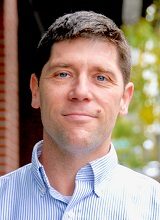
Dr. Banta-Green studies substance use involving opioids and stimulants and interventions to support recovery and reduce substance-related harms. He is particularly interested in developing interventions that are accessible to all people, including those who are most marginalized, such as those who are unhoused, utilizing services syringe service programs, and/or in the criminal legal system. He provides technical assistance and evaluation services for public health and safety interventions including the website http://stopoverdose.org, and information for the general public and professionals about effective treatments at http://learnabouttreatment.org. As an epidemiologist he develops innovative approaches to measuring the use and impacts of substances as well as service utilization. His health services research involves clinical trials, implementation research, and secondary data analyses. He serves on local, state, and federal workgroups and committees related to epidemiology, policy, and interventions for illicit substance-related problems. He is a member of the U.S. Health and Human Service’s Interdepartmental Substance Use Disorders Coordinating Committee.
Robert Hilt, MD is a Professor in the UW Department of Psychiatry and Behavioral Sciences and a psychiatrist at Seattle Children’s Hospital. He is the program director for the Partnership Access Line (PAL), a child mental health consultation service for primary care providers in Washington, Wyoming and Alaska. He is the Program Director for the Medicaid Medication Second Opinion Programs of Wyoming, Washington and Alaska, and Multidisciplinary Team (MDT) Psychiatric Consult Service in Wyoming for children in foster care. He has been involved in several collaborative care projects, in school support projects, and has helped to establish a statewide mental health referral service in Washington. Dr. Hilt’s primary interest is to increase professional collaboration between child psychiatrists and pediatric medical providers, and to increase access to high quality care.
Personal Statement
I am a mixed methods health services researcher and health economist with a PhD in population health and background in community-based participatory research and community-engaged research. I enjoy working with partners in clinic and community settings to develop scalable programs to improve mental health services and community well-being. Such programs may involve a diverse workforce with varying levels of mental health training and experience, including lay health workers. My interest in technology focuses on finding efficiencies and the appropriate balance of technology and face-to-face encounters to support patient care and staff training/support in such programs.