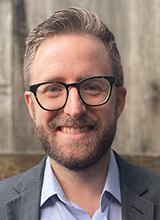
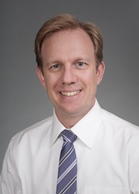
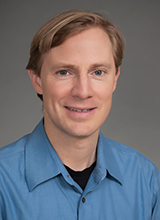
Michelle Wiese

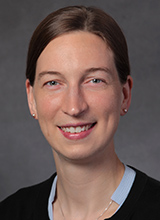
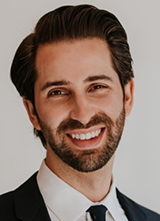
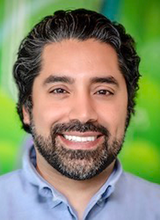
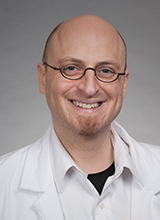
I am an Acting Assistant Professor in the Department of Psychiatry and Behavioral Sciences at the University of Washington. I received my MD, MPH from the University of Nebraska Medical Center and completed my adult residency at the University of Washington where I was chief resident. I then went on to complete a fellowship in Consultation-Liaison Psychiatry at the University of Washington. I am currently on faculty at Harborview Medical Center on the inpatient psychiatry unit and inpatient psychiatry consult service. I have a longstanding interest in the intersection between medicine and psychiatry and in working with people who suffer from serious mental illness and treatment-resistant conditions. I have clinical interests in ECT, psychopharmacology, co-morbid medical conditions, and adjunctive psychotherapies. I value caring for the whole person through thorough and accurate diagnosis, treating co-morbid medical conditions, and minimizing medications when possible. I have teaching interests in reducing stigma surrounding serious mental illness and educating residents and medical students about psychiatric care.

Christina N. Clayton

Christina has been in the behavioral health field since 1993, primarily serving adults who live with severe mental health issues, substance use, experience chronic homelessness, suffer from poor physical health, trauma and any number of co-occurring issues.

Prior to joining UW in 2018, she spent 25 years working in and managing numerous clinical programs including: HIV/AIDS housing and health care, school-based mental health, substance use outreach and treatment, homeless mental health outreach, intensive case management, assertive community treatment, crisis respite, integrated care, housing first and other evidence-based practices.  She has provided licensure supervision, training and consultation, and has worked on multi-disciplinary teams in a number of settings.  She highly values her years of clinical direct service and program management experience.

She has also been involved with the UW School of Social Work since getting her MSW, working with dozens of graduate and undergraduate students, teaching courses and workshops, presenting on panels.  She has served as a Practicum Instructor, the Interim Assistant Dean and Director of Field Education, and is currently a Clinical Associate Professor and teaches in the MSW program.

Starting in fall 2024, Christina became one of the Co-Directors of the Pacific West HUB for Mental Health Implementation Support (CMHIS), led by Stanford’s Center for Dissemination and Implementation (CDI). The CMHIS project builds the capacity to select and implement evidence-supported practices and programs, sharing pragmatic, accessible guidance.

Since 2023, she served as Co-Chair of the PBSCI Department’s Equity, Diversity and Inclusion Staff Committee, also having been a member since its inception in 2021.  She is currently Co-Chair of the Department’s EDI Council.

From 2018-2024, Christina was the Co-Director of the Northwest MHTTC, a SAMHSA-funded regional training & TA center.  Christina co-directed the team and helped plan and oversee training for the mental health workforce in HHS Region 10 (AK/ID/OR/WA).  Activities include live webinars, research/practice briefs, online self-paced courses, learning communities and intensive cohort-based training. Most of this training was conducted virtually in collaboration with numerous faculty, instructional designers and presenters.

She is grateful to all the staff and faculty who choose to work in this field, as it is their collective energy, passion, dedication and commitment to social justice that supports the people we serve and brings real change to our communities.  Most importantly, she is honored to work with people who every day, live their experience and share their journey through advocacy as they strive for a world where behavioral health is adequately supported and everyone can thrive equitably.

A National Snapshot of Training and Technical Assistance Needs Within the Mental Health Workforce – PubMed

HIV Testing and Prevention Services in Behavioral Health Organizations: A Multi-method Study Using the Consolidated Framework for Implementation Research – PubMed
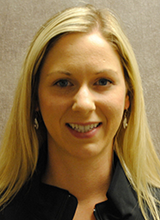
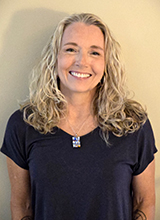
Anna Sunshine

Anna Sunshine completed her medical school, graduate school and psychiatry training at the University of Washington. Her graduate training was completed in the Department of Genome Sciences where she used high-throughput sequencing approaches to study the biological effects of complex genetic changes in the model organism Saccharomyces cerevisiae.

Connecting her background in genomics with psychiatry, Dr. Sunshine’s research now focuses on identifying genetic risk factors for schizophrenia and characterizing the biological effects of these risk alleles using induced pluripotent stem cell (iPSC) systems. Dr. Sunshine engages individuals living with schizophrenia and their families in research to further our current understanding of schizophrenia biology and help lay groundwork for future treatment development.

Wade Reiner

I have always been interested in the thoughts and feelings that drive us. This led me to major in Psychological and Brain Sciences at Johns Hopkins University and to later enroll in the psychiatry residency training program at Washington University in St. Louis. Since completing training, I have had an excellent experience working at UW/Harborview’s emergency and inpatient psychiatry services. My teaching interests include the psychiatric interview, documentation, and fundamentals of clinical decision-making. Clinically, I enjoy taking a holistic approach to care, utilizing interventions across behavioral changes, pharmacology, and psychotherapy.

Dana Dieringer

I am an adult psychiatrist and palliative medicine physician within the Department of Psychiatry and Behavioral Sciences. I am dual board certified within the American Board of Psychiatry and Neurology and American Board of Internal Medicine. I practice at Harborview Medical Center (HMC) on both palliative care consult and inpatient psychiatry teams. I chair HMC Psychiatry Quality Improvement (QI) committee. My main areas of interest and expertise are in: the care and treatment of patients facing serious mental illness (SMI), particularly those with co-occurring chronic medical illness; complex communication skills with patients and families; the use of person-centered language in medicine; interprofessional teamwork. I provide clinical teaching and QI mentorship to medical trainees such as residents and medical students. I am the former co-director of the interprofessional health-sciences elective “The Healer’s Art.” I am a member of the Northwest Narrative Medicine Collaborative.

Sina Shah-Hosseini

Dr. Shah is a board-certified child and adolescent psychiatrist at Seattle Children’s Hospital and has served as a faculty member at the University of Washington School of Medicine since 2020. He is also a board member of the ARC Trust of Washington.

His clinical practice includes serving as an inpatient attending psychiatrist on the Psychiatry and Behavioral Medicine Unit at Seattle Children’s Hospital and providing outpatient care for children and families through the Seattle Children’s Autism Center. Across both settings, he is actively involved in the education and supervision of medical students, psychiatry residents, and child and adolescent psychiatry fellows.

In addition to his clinical work, Dr. Shah is deeply committed to medical education. He serves as Director of Career Advising in Psychiatry at the University of Washington School of Medicine, where he mentors medical students pursuing careers in psychiatry. Within the Child and Adolescent Psychiatry Fellowship he directs the genetics curriculum, and within the School of Medicine teaches child psychiatry in the Mind, Brain, and Body course to medical students.

Dr. Shah has professional interests in autism spectrum disorder, neurodevelopmental and genetic conditions, catatonia, bullying and trauma-informed care, and anxiety in children. His approach to care is grounded in evidence-based medicine and emphasizes collaboration with patients and families. He believes that strong therapeutic partnerships are essential to delivering compassionate, individualized care and achieving meaningful, lasting outcomes.

Aaron Green

Personal Statement

I am a board certified psychiatrist at Harborview and a UW assistant professor of Psychiatry and Behavioral Sciences.

I help patients make sense of troubling situations that interfere with their ability to move forward. I also promote mindfulness and safety from drug interactions. I appreciate the opportunity to be with patients and their families during defining crises and opportunities for change, learn from patients and staff, and mentor the next generation of healthcare professionals.

My clinical interests include bipolar and related disorders, anxiety disorders, depressive disorders, obsessive compulsive and related disorders, personality disorders, schizophrenia spectrum and other psychotic disorders and substance-related and addictive disorders.

Benjamin Buck

Personal Statement

My research is focused on (1) developing innovative mHealth assessments and interventions for schizophrenia-spectrum disorders and cross-diagnostic persecutory ideation, as well as (2) “engagement mHealth,” or the development of mobile health interventions that increase the likelihood that underserved populations present to and receive evidence-based treatment, with a particular focus on young adults at risk for psychosis and their families. My research is supported by a NARSAD Young Investigator Award from the Brain and Behavior Research Foundation and multiple grants from NIMH including a K23 Mentored Patient-Oriented Research Career Development Award.

Prior to my faculty position at UW, I was an Advanced Fellow in VA Health Services Research and Development and the Department of Health Services at UW. I completed my clinical psychology internship at the VA Puget Sound Health Care System, where I was awarded the APA Division 18 Outstanding VA Trainee Award. Prior to internship, I completed my undergraduate and doctoral training at the University of North Carolina at Chapel Hill. Throughout my training, I have been dedicated to services for individual with serious mental illness, with experience in an inpatient state hospital, VA psychosocial rehabilitation, intensive outpatient and dual-diagnosis clinics, and in coordinated specialty care for young people with early psychosis.

In addition to my program of research and clinical work, I am committed to clinical supervision and training. I currently lead the development of one of the first clinical training sequences designed for frontline clinicians integrating mHealth into community mental health. I was the first-ever graduate student to win UNC’s David Galinsky Award, an honor recognizing excellence in clinical supervision that had previously only ever been won by faculty. I am currently active in providing supervision in CBT to third-year psychiatry residents at UW.

Ryan Kimmel

Personal Statement

I am the Psychiatry Chief of Service for both campuses of the University of Washington Medical Center. I also direct our Psychiatric Consultation and Telepsychiatry Program. My clinical focus is on patients who are hospitalized with simultaneous psychiatric and medical issues.  Academically, I most often teach psychiatry trainees about psychopharmacology for refractory mood, anxiety, and psychotic disorders.