As a child and adolescent psychiatrist at the Child Study and Treatment Center, I am deeply inspired by the resilience of the youth we serve and by the collaborative spirit of our multidisciplinary teams. My work is grounded in curiosity, compassion, and respect for the complex systems that shape young people’s lives. My approach integrates evidence-based psychopharmacology with developmental and trauma-informed care, while always centering around the individual’s unique story and strengths. I value the relational and systemic dimensions of psychiatry: the interplay between family, community, and policy that influences recovery and growth. The multidisciplinary, relational model at CSTC reflects these values and continues to shape how I think about psychiatry: not only as a science, but as a deeply human endeavor.
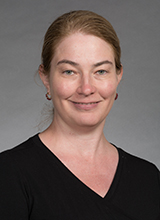
Dr. Katherine Seldin is a faculty member and licensed clinical psychologist in the University of Washington’s Department of Psychiatry and Behavioral Sciences. Before joining this department, Dr. Seldin completed her PhD in Clinical Psychology at the University of Washington, residency at Northwestern University Feinberg School of Medicine, and fellowship at the University of Ilinois Chicago.
Dr. Seldin specializes in delivering evidence-based cognitive behavioral therapies (CBTs), including mindfulness-based and exposure-based psychotherapies such as Acceptance and Commitment Therapy (ACT) and Exposure and Response Prevention (ERP). Her research interests include mood disorders, sleep, digital intervention, emotional impulsivity, and ecological momentary assessment methodology.
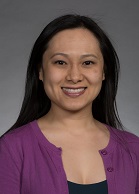
Rie Sharky, MD, is a board-certified child and adolescent psychiatrist at the Child Study and Treatment Center through the Behavioral Health Administration of the Washington State Department of Social and Health Services. There she provides inpatient psychiatric care across developmental stages, with particular interest in working with the youngest youth and extensive experience caring for older children, adolescents, and transitional-age youth. She enjoys working with individuals of all ages and their families, especially in the context of complex medication regimens and significant psychosocial and systemic challenges.
Dr. Sharky is committed to improving outcomes for young people facing complex mental health needs and structural barriers to care. Her clinical approach emphasizes the development of meaningful, collaborative therapeutic relationships with youth and the caregivers and systems that support them.
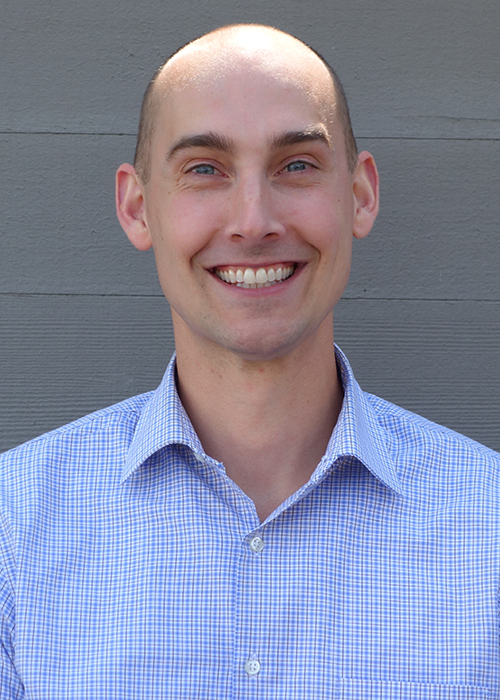
I am a clinical psychologist with specialized training in serious mental illness and inpatient psychiatric care. I earned my PhD from the University of Washington in 2023 after completing my pre-doctoral internship at the same institution, training in serious mental illness and inpatient care at Harborview Medical Center and psycho-oncology at Fred Hutch Cancer Center. My research focuses on developing novel technologies to support patients with serious mental illness, improve the provision of psychological interventions in the inpatient setting (https://inpatientpsychology.org), and more efficiently and effectively train future generations of mental health clinicians. I also work as a psychologist on UW’s long-term civil commitment inpatient psychiatry program.
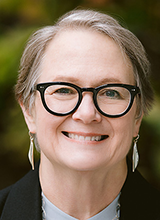
I am a consult psychiatrist and clinical instructor at the Fred Hutch Cancer Center. I work with people undergoing active cancer care. I previously practiced in the VA outpatient mental health clinic with veterans with mood disorders, anxiety, post-traumatic stress disorder, and chronic and serious mental illness. I recently worked as a consult psychiatrist with the Swedish Primary Care Clinics, address a wide variety of concerns in a collaborative behavioral health care setting. I enjoy being a part of medical education, both learning and teaching. However, patient care always comes first.
Personal Statement
I am experienced in the evaluation and treatment of a range of psychiatric conditions including anxiety and panic, mood disorders, psychosis, obsessive-compulsive disorder, posttraumatic stress disorder and personality disorders. I work with adult and geriatric patients in the outpatient setting.
Personal Statement
My research focuses on strategies to improve pediatric mental health care quality, such as increasing measurement-based care–the use of patient/caregiver reported data to inform clinical-decision making. I also study the impact of quality improvement interventions on pediatric mental health service disparities with the goal of developing interventions to prevent or reduce such disparities and improving mental health care quality for all youths and families.
My clinical expertise includes Dialectical Behavior Therapy and Cognitive Behavior Therapy for teens and families to address a variety of mood and anxiety disorders as well as behavior problems and parent-child conflict. I provide parent training and consultation for managing young children’s anxiety and behavior problems. I am fluent in Mandarin Chinese.
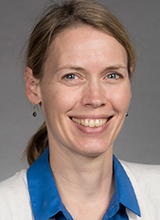
Personal Statement
I am a Professor and Licensed Clinical Psychologist in the University of Washington’s Department of Psychiatry and Behavioral Sciences and am Board Certified in Cognitive and Behavioral Psychology. I received my Ph.D. in clinical psychology from the UW in 2006 and returned to UW as a faculty member in 2010.
My research interests include problematic substance use (including alcohol and marijuana), posttraumatic stress disorder (PTSD), identity and self-concept, and resilience. My work focuses on investigating implicit (i.e., non-conscious or automatic) cognitive processes and processes related to self-concept and identity that contribute to the development and maintenance of maladaptive behavior and psychopathology. A second line of my work focuses on developing and increasing access to briefer, effective interventions for individuals who are trauma-exposed. Support for my work has been provided by the National Institute on Alcohol Abuse and Alcoholism, the National Institute on Drug Abuse, and the University of Washington’s Garvey Institute for Brain Health Solutions and the Addictions, Drug & Alcohol Institute. I also serve as a consultant for dissemination projects aimed at training community-based mental health workers in Cognitive Processing Therapy and other evidence-based treatment for PTSD in locally, nationally, and internationally.
Personal Statement
I am interested in mood and anxiety disorders and the intersection of these with chronic medical illnesses. My approach to treatment is integrative. Working within a cognitive-behavioral framework, I use many traditional CBT methods, including hypnosis, mindfulness training, and concepts from third-generation cognitive and behavioral methods.