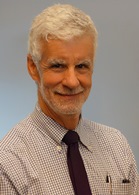
Personal Statement
My clinical service and research focuses on the interaction of mental and physical illness, especially in patients with chronic pain. Much of my research in recent decades has focused on the risks of treating chronic pain with opioids. I have developed educational programs and outcome tracking tools to assist with opioid treatment of chronic pain. I have published a book about patient empowerment in chronic disease care, The Patient as Agent of Health and Health Care (Oxford, 2017). I have another book written with Jane Ballantyne forthcoming, The Right to Pain Relief and other deep roots of the opioid epidemic (Oxford, 2022).

Personal Statement
I am clinical psychologist and a Professor of Psychiatry and Pediatrics, and a clinical researcher specializing in ADHD throughout the lifespan. I direct the PEARL Clinic (Program to enhance attention, regulation, and learning) at Seattle Children’s. The PEARL Clinic is based on a multidisciplinary and collaborative care model which works closely with PCP’s who refer families to PEARL for evaluation and access to our behavioral group treatment programs and treatment recommendations. The PEARL clinic also provided multidisciplinary training for psychologists, psychiatrists, pediatricians, family medicine physicians, and medical students. The majority of my clinical work involves diagnostic evaluations and consultations for the parents, referring physician, and schools.
My research emphasis is on personalizing ADHD treatment, and determining how best to combine and sequence interventions throughout the lifespan for individuals with ADHD. I have assisted in the development of several stimulant and non stimulant medications, and participated in many clinical trials. Currently, we are conducting a study for parents with ADHD who have young children with ADHD symptoms where we are treating the parent with medication and behavioral parent training or behavior parent training. I am also investigating the relationship between genetic factors and ADHD treatment response.
Other areas of interest include sleep problems and overlap with ADHD, and novel treatments such as Trigeminal Nerve Stimulation (TNS) and augmentation strategies such as mindfulness and physical exercise or activity level.
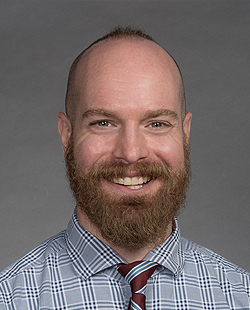
Personal Statement
I am a basic neuroscientist, a board-certified practicing psychiatrist, and an Assistant Professor of Psychiatry and Behavioral Sciences at the University of Washington Medical School. The goal of my research is to investigate the neural circuitry of cognitive, emotional and memory processing, particularly as it relates to the cerebellum, and illnesses affecting cerebellum including cognitive disorders, PTSD, TBI and dementia through the implementation of techniques in mouse behavioral genetics. In my clinical practice, I primarily see veterans with PTSD, mild cognitive impairment, and various forms of dementia in an outpatient clinic at the VAMC Puget Sound Geriatric Research, Education, and Clinical Center (GRECC) in Seattle. I have over 15 years of experience in basic science research with most of that time dedicated to the use of mouse models of neuropsychiatric disorders.
Throughout my training prior to and during graduate school, I gained background in many contemporary molecular and biochemical lab techniques, such as molecular cloning, protein biochemistry, protein crystal production, fluorometric measurement of protein kinetics, in vivo NMR spectroscopy, gene targeting, microarray genomics, immunohistochemistry, and mammalian cell culture. I have a foundation in mouse genetics, neural development, and behavior which I developed in Michael Georgieff’s lab by investigating the role of iron in developing pyramidal neurons of the mouse hippocampus. During graduate training, I also received cross-training in child psychological development. In graduate school, I developed two mouse models of nonanemic neuron specific iron deficiency: 1) a conditional knockout of the Slc11a2 gene, encoding the iron transporter DMT-1 in forebrain neurons, including hippocampal pyramidal neurons, and 2) a transgenic mouse with a reversibly inducible dominant negative (nonfunctional) form of the transferrin receptor expressed only in hippocampal pyramidal neurons. I utilized and implemented different versions of the Morris Water Maze to study learning deficits in these mouse models of perinatal brain iron deficiency, a condition that is often a consequence of diabetes during pregnancy.
During my residency training, I expanded my knowledge of neuropsychiatric disorders by directly evaluating and treating patients with neuropsychiatric disorders including PTSD, schizophrenia, Alzheimer’s disease, autism, major depression, substance abuse disorders, and personality disorders. I learned numerous pharmacological, neuromodulatory, and psychotherapeutic interventions and participated in the internally funded Neuroscience Research Track. I then received a NIMH career development award (K08) mentored by Larry Zweifel, Ph.D. In that position, I investigated interactions between catecholamines and the cerebellum in decision making, emotional and cognitive processing. In the 5 years I was in Dr. Zweifel’s lab, I learned many additional new techniques including use of viral vectors, in vivo electrophysiology, and several operant- and threat-based behaviors, and moved forward in my goal of becoming a physician scientist isolating important circuits underlying etiology of specific domains of behavioral function. This work culminated in my receiving an RO1 independent investigator award, without any gap in funding.
My current research utilizes mouse behavior, in vivo electrophysiological recordings, gene targeting, viral vectors, translational profiling, chemo- and optogenetic tools, site-specific intracranial viral vector injection, and protein chemistry. I am now forging my path as an independent investigator, and my primary goal is to understand cerebellar circuits as they relate to psychiatric and neurodegenerative illnesses and utilize this knowledge to inform and improve current and novel psychiatric illnesses, primarily in cognitive and emotional domains. As such, I am pursuing a multidisciplinary approach combining genetic, electrophysiological, pharmacological, and behavioral techniques.
I am a clinical psychologist at Seattle Children’s Hospital and UW Medicine, where my work primarily consists of clinical care and teaching. My two areas of focus are the provision of effective, trauma-informed treatment for youth and families in suicidal crises and the promotion of equitable access to behavioral healthcare.
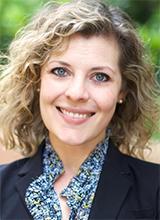
As a psycho-oncologist at Fred Hutchinson Cancer Center (FHCC), I serve patients as a psychiatrist specializing in mental health issues arising during the course of cancer and hematologic diseases. My approach to care is person-centered, focusing on your story as a person as well as a patient, and combining psychotherapeutic and pharmacologic approaches to help you navigate your journey with medical illness.
I bring fellowship training in consultation-liaison psychiatry to understanding the interplay between medical conditions and mental health issues, and I believe that partnering with both patients and their medical teams is essential to create a successful plan of care. While I often oversee psychiatric medications during cancer treatment, I also have a background in supportive, psychodynamic, CBT-focused, and meaning-centered psychotherapy, and I incorporate psychotherapy elements into each appointment.
Within the field of psycho-oncology, my specific interests include working with palliative care populations, supporting existential issues that arise during journeys with cancer, and strengthening collaborative care models in oncology settings. I am also fortunate to teach outstanding UW psychiatry residents and fellows who complete clinical rotations at FHCC.