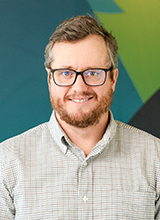
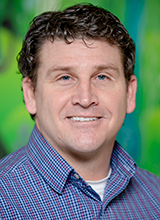
As a child and adolescent psychiatrist at the Child Study and Treatment Center, I am deeply inspired by the resilience of the youth we serve and by the collaborative spirit of our multidisciplinary teams. My work is grounded in curiosity, compassion, and respect for the complex systems that shape young people’s lives. My approach integrates evidence-based psychopharmacology with developmental and trauma-informed care, while always centering around the individual’s unique story and strengths. I value the relational and systemic dimensions of psychiatry: the interplay between family, community, and policy that influences recovery and growth. The multidisciplinary, relational model at CSTC reflects these values and continues to shape how I think about psychiatry: not only as a science, but as a deeply human endeavor.
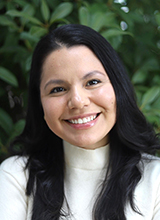
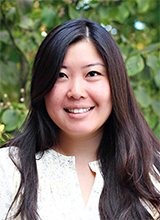
Lupita Santillan, PhD, is an Acting Assistant Professor in the department of Psychiatry and Behavioral Sciences. Dr. Santillan is an attending psychologist for the Early Childhood Clinic and the CALMA Clinic at Seattle Children’s Hospital. She is passionate about increasing access to evidence-based early childhood interventions and the provision of mental and behavioral health in Spanish. Her clinical training has focused on providing care to families and children with developmental delays and neurodevelopmental disabilities. Dr. Santillan’s research focuses on the development, implementation, and efficacy of evidence-based behavioral treatments to support children with developmental delays and neurodevelopmental disabilities.
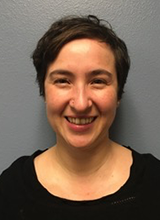
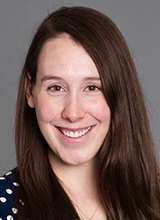
Rie Sharky, MD, is a board-certified child and adolescent psychiatrist at the Child Study and Treatment Center through the Behavioral Health Administration of the Washington State Department of Social and Health Services. There she provides inpatient psychiatric care across developmental stages, with particular interest in working with the youngest youth and extensive experience caring for older children, adolescents, and transitional-age youth. She enjoys working with individuals of all ages and their families, especially in the context of complex medication regimens and significant psychosocial and systemic challenges.
Dr. Sharky is committed to improving outcomes for young people facing complex mental health needs and structural barriers to care. Her clinical approach emphasizes the development of meaningful, collaborative therapeutic relationships with youth and the caregivers and systems that support them.
My work focuses on the development, dissemination, and implementation of tools for the assessment and treatment of autism spectrum disorder. I am also interested in transdiagnostic interventions for autism spectrum disorder to increase efficacy for individuals and families, as well as access to care. My clinical pursuits include conducting diagnostic evaluations for autism for youth of all ages, as well as running groups and classes for autistic individuals and their families.
My clinical work focuses on the assessment and treatment of children and adolescents with intellectual and developmental disabilities (IDD) who engage in severe challenging behavior. My interest in this underserved population is in the development of a continuum of care, providing evidence-based care, and in the dissemination of best practices through research and training. At the University of Washington, I work on the Psychiatry and Behavioral Medicine Unit at Seattle Children’s and lead the sub-unit that specializes in patients with IDD.
My clinical and research work focus on ways to improve care for children with complex neurodevelopmental and behavioral concerns, especially in the context of prenatal substance exposures and fetal alcohol spectrum disorders (FASD).
Current projects include developing training to reduce stigma and improve accurate retrospective screening for prenatal alcohol exposure; examining factors influencing response to the Families Moving Forward Program for FASD; and, evaluating the clinical utility of the proposed diagnosis ND-PAE.
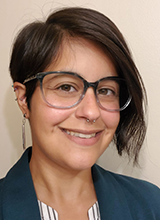
Jill Locke, Ph.D., is an Associate Professor in the UW Department of Psychiatry and Behavioral Sciences, a licensed child psychologist and the former co-Director of the SMART Center from 2020-23. To date, her research has focused on the: 1) presentation of social impairment for autistic youth; 2) identification of best practices for autistic youth; and 3) understanding of successful implementation and sustainment of evidence-based practices (EBPs) for autistic youth in public school settings. Her current research focuses on understanding EBP use to support autistic youth in inclusive settings and developing and testing implementation strategies to support the adoption, implementation, and sustainment of EBPs in public schools.
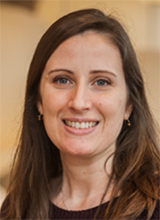
Dr. Neuhaus has a broad research focus on social-emotional processes in individuals with neurodevelopmental disorders, particularly children with autism spectrum disorder (ASD), attention-deficit/hyperactivity disorder (ADHD), or inherited or de novo genetic events. Dr. Neuhaus’s research is informed by a number of methodological approaches, including clinical/behavioral assessment and physiological measures such as EEG and autonomic biomarkers. Dr. Neuhaus is particularly interested in how social and emotional processes relate to brain function and development, and in how they interact with one another to influence diagnostic outcomes (e.g., phenotypes within autism) and psychiatric trajectories over the course of development. Clinically, Dr. Neuhaus specializes in diagnostic assessment of ASD.