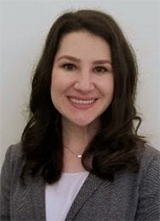
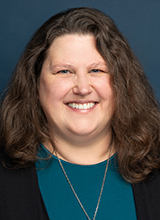
Jennifer Cadigan

Personal Statement

I am a licensed psychologist and Assistant Professor in the Department of Psychiatry and Behavioral Sciences at the University of Washington. I received my Ph.D. from the University of Missouri, completed clinical psychology internship at the University of Washington, and subsequently was awarded an NIH-funded postdoctoral fellowship focused on brief interventions for reducing young adult alcohol use. I joined the University of Washington faculty in 2019. My research centers on developing and testing brief prevention and intervention programs for adolescent and young adult substance misuse (including alcohol and cannabis), and co-occurring mental health concerns such as depression, PTSD, loneliness, using substances to cope with negative affect. These programs are delivered across a variety of platforms (text message, web-based, web-conferencing, in-person face-to-face) to facilitate accessibility. To inform intervention development, my work also examines etiological and contextual factors related to substance misuse and mental health, including loneliness, depression, coping motives, and barriers to accessing mental health services. I have served as Principal Investigator on research funded by the National Institute of Alcohol Abuse and Alcoholism, as well as other grants from the University of Washington. Clinically, I work with children and adolescents presenting with depression and suicidality at Seattle Children’s Hospital in the Behavioral Health Crisis Care Clinic and in the Mood and Anxiety Program.
  • Recent Grants:
    • We are currently enrolling young adults ages 21-29 in Project MAX: https://sites.uw.edu/projectmax/
      • Development of a behavioral economic intervention with personalized resource allocation feedback to reduce young adult alcohol misuse  (PI: Cadigan, NIH/NIAAA1R34AA029478)
    • Development of an interactive, we-based drinking to cope intervention and tools to assess coping skill utilization (PI: Cadigan, NIH/NIAAA R34AA028074)

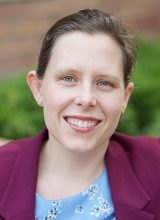
Julia Ruark

Personal Statement

I am a board certified psychiatrist and work at Fred Hutchinson Cancer Center. I am a Clinical Assistant Professor of Psychiatry and Behavioral Sciences at the University of Washington.  I obtained a fellowship in consultation-liaison psychiatry, a specialty that focuses on providing psychiatric care for people with complex medical conditions.  My primary clinical focus is people with cancer. I love my work.  Being ill is a vulnerable time and my goal is to ease suffering and provide a sense of connection and understanding for all I work with.  I believe in working collaboratively with patients and families. We work together to identify what the goals of treatment are. I have expertise in diagnosis, psychopharmacology and psychotherapy and adapt my recommendations to best serve the goals of the person before me. I am also passionate about education. I am the site director at Fred Hutch Cancer Center for our Psycho-oncology Fellowship Program. I supervise Cl fellows, addiction fellows, psychiatry residents and provide education to social workers and psychology trainees.

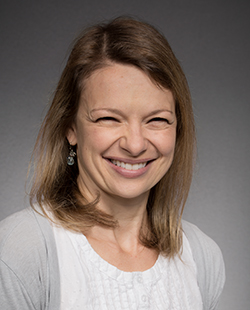
Amelia Dubovsky

Personal Statement

I am a Clinical Assistant Professor in the Department of Psychiatry and Behavioral Sciences at the University of Washington. I received my MD from New York University and completed my adult residency at the Harvard Massachusetts General Hospital/McLean Hospital program where I was chief resident. I then went on to complete a fellowship in psychosomatic medicine at the University of Washington. I am currently on faculty at Harborview Medical Center on the inpatient psychiatry consult service. I have a longstanding interest in the intersection between medicine and psychiatry, and am the author of numerous published articles on topics ranging from the neuropsychiatric effects of steroids to managing borderline personality disorder in the primary care setting. I have a particular interest in the use of electroconvulsive therapy, including in the treatment of catatonia. I am currently involved in research projects in conjunction with the division of nephrology and the neurosurgery department. In addition to my clinical and research interests, I am also an associate program director for the UW Adult Psychiatry Residency at Harborview Medical Center.

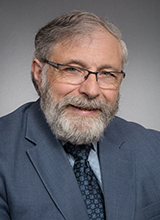
Christos Dagadakis

Personal Statement

I have had a career long interest and focus on crisis and stress management,  and assessment of disability. My 19 years as director of emergency psychiatry initially at UW Medical Center and later Harborview Medical Center and current work as an attending psychiatrist and past 20 years as Medical Director of the Harborview Mental Health Services intake and Brief Intervention Service have been where I have worked with families and individuals with acute stress , mental illness , and/or both together( usually these are together) have been my source of knowledge and practical experience. Thirty one years of doing consultation and assessments about disability have given me an appreciation for the severe impact of mental disorder on function and relationships. Teaching stress management classes and doing workshops and consultation with multiple companies and organizations have focused me on efforts to prevention whenever possible. Initial prevention is almost always preferable to needing to do stabilization and reconstitution and subsequent preventive efforts.  in summary, prevention efforts whether initially or after crisis have been and are a major focus and value for me. ​

Katherine Anne (Kate) Comtois

Personal Statement

My career goal is to give suicidal clients and their clinicians the best chance to succeed. I have been working in the area of health services, treatment development, and clinical trials research to prevent suicide for over 30 years. My graduate training was in community/clinical psychology and focused on achieving clinical ends through prevention and other systemic interventions in socio-culturally diverse populations. I have brought these perspectives into health services research.  I have developed or adapted interventions to improve care and clinician willingness to work with suicidal patients including Caring Contacts, Dialectical Behavior Therapy (DBT), Collaborative Assessment and Management of Suicidality (CAMS), and Preventing Addiction Related Suicide (PARS). I have developed an adaptation of DBT Next Steps, a program to assist psychiatrically disabled individuals find and maintain living wage employment. My research has been funded by NIMH, NIDA, the Department of Defense, American Foundation for Suicide Prevention, and the State of Washington.

I am the director of the Center for Suicide Prevention and Recovery (CSPAR) whose mission is to promote the recovery of suicidal individuals and the effectiveness and well-being the clinicians and families who care for them by conducting rigorous and ecologically valid research, developing innovative interventions, improving policies, systems and environments of care, and providing expert training and consultation. CSPAR faculty and staff seek a deep understanding of the cultures and settings in which we work that leads to meaningful and effective interventions ready for implementation.

I also direct the Suicide Care Research Center, an NIMH P50 funded research center focused on using Human Centered Design and MOST optimization methodology to improve the care of adolescents and young adults (age 13-30 years) in outpatient medical settings. We are conducting one fully powered trial, three R34s, and 4 pilot studies within UW Medicine and Seattle Children’s hospital to develop innovative interventions to support primary care, Collaborative Care, and specialty medical clinics care for patients experiencing suicidal thoughts and behavior. The center supports effort of over 20 faculty and 16 staff as well as 11 emerging and advanced collaborating scholars and funds 2 annual pilot grants (each $100,000 over two years).

In addition to clinical research, I founded the Society for Implementation Research Collaboration (SIRC) focused on disseminating and implementing innovative, evidence-based interventions in the systems that need them. Beyond my research, I directed the Harborview Dialectical Behavior Therapy program at Harborview Medical Center 1996-2019, co-lead the UWAnnual Comprehensive DBT Training Program and Suicide Care in Healthcare Systems: We Can Do Better Serving our Patients and Caring for our Clinicians, both of which meet the Washington State requirement for suicide prevention training.  I have a long history of training and mentoring junior faculty, post-doctoral scholars, psychiatry residents, pre-doctoral psychology interns, undergraduate students, and post-baccalaureate trainees. I provide psychotherapy and consultation at the UWMC Outpatient Psychiatry Clinic.