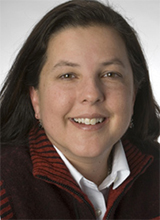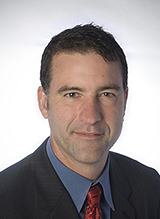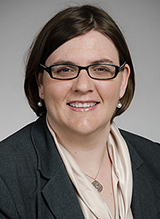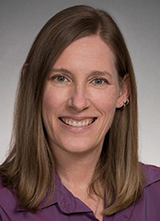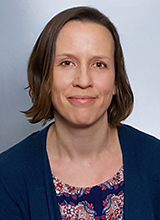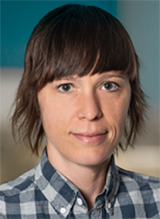
I am a child and adolescent psychiatrist at Seattle Children’s Hospital and faculty member at the University of Washington Medicine. My SCH practice locations include the Gender Clinic (Adolescent Medicine), Outpatient Psychiatry Clinic, Autism Center, and the inpatient unit- Psychiatry and Behavioral Medicine Unit (PBMU). I believe in delivering compassionate, evidence-based care in supporting patients and their families. My approach is both comprehensive and patient-centered, as it is important to consider the needs of the individual while also appreciating societal and cultural context. I specialize in working with diverse patient populations with various marginalized identities, such as those who identify as LGBTQ, gender diverse, and/or neurodiverse. I also work closely with the Adolescent Medicine Gender Clinic in supporting any mental health needs of transgender/gender diverse youth and their families. I also collaborate with colleagues in specialty medical clinics to coordinate care of medically complex patients. Additionally, I serve as a consultant with various school programs to support mental health initiatives and advocacy efforts.
Academically, I am involved with several initiatives both locally and nationally, particularly those that work to promote diversity and equity. I serve on committees supporting the SCH/UW CAP Fellowship Program, educating trainees and students through direct clinical supervision as well as with lectures and discussions. On a national level, I serve on the Sexual Orientation and Gender Identity Issues Committee (SOGIIC) for the American Academy of Child and Adolescent Psychiatry (AACAP). My clinical research focuses on finding strategies to better support the mental health and well-being of patients and families who are LGBTQ+. Additionally, I work on studies that explore the intersection between gender diversity and neuro diversity/autism spectrum.
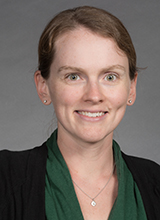
I am a child and adolescent psychiatrist with experience in delivering evidence based care for youth with psychiatric disorders. My clinical work is primarily in the outpatient setting and I have experience with telehealth, community mental health, consultation to primary care and developing integrated care systems with pediatricians. I am a psychiatrist on the Partnership Access Line, which provides phone consultation regarding diagnosis and treatment to pediatricians and other primary care physicians throughout Washington, Wyoming and Alaska. I have worked as part of an integrated care team by providing consultation in person at Kent-Des Moines and Roosevelt clinics. I have expertise in the treatment of common childhood psychiatric disorders and I am particularly interested in treating anxiety and ADHD. I am also trained in cognitive behavioral therapy (CBT) and dialectical behavioral therapy (DBT) and incorporate this background in my work. I value working collaboratively with patients and their families to make a decision about treatment options based on the best evidence we have for safe and effective treatment.
Academically, I have enjoyed being part of the fellowship training program teaching about Integrated Care and currently co-chair the child and adolescent curriculum for the University of Washington Integrated Care Fellowship.
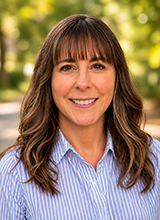
Dr. Jenness is a clinical child psychologist and Associate Professor in the Department of Psychiatry and Behavioral Sciences at the University of Washington. She earned her Ph.D. in Clinical Psychology from the University of Denver in 2015. Her past research includes NIMH-funded studies on the neural and behavioral changes that predict treatment response to behavioral activation for depressed adolescents (K23/NARSAD). As the director of the Adolescent Depression and Intervention Innovations (ADII) lab, her recent work focuses on innovative digital treatment approaches to improve adolescent depression care. Current projects include 1) adapting behavioral activation to an online platform, ActivaTeen (R03, NIMH R34); 2) leveraging paraprofessional coaching of video-guided depression care (Garvey Innovation Grant); and 3) developing and testing a digital just-in-time adaptive intervention (Sidekick; NIMH R61) as a first-step adolescent depression treatment within primary care settings. In addition to research, Dr. Jenness is an Attending Psychologist in the Mood and Anxiety Disorders Program at Seattle Children’s Hospital where she primarily treats adolescent depression and suicide. She has also trained mental health professionals at various sites around the US in the use of behavioral activation with adolescents.
Personal Statement
I work full-time at the VA, with half my time allotted in the specialty mental health clinic and the other half in the women’s primary care clinic. My current areas of interest are education, forensic psychiatry, and women’s mental health.
Personal Statement
I am a board certified child and adolescent psychiatrist in the Pediatric Clinic at Harborview, Seattle Children’s Hospital, and Odessa Brown Children’s Clinic in the Division of Psychiatry and Behavioral Medicine.
In my clinical work, I strive to create active partnerships with my patients and their families to achieve the best possible outcomes regardless of their needs and circumstances. I am lucky to have great behavioral health and primary care partners across the different clinics I work in, who are invaluable collaborators in caring for our patients and families.
I am involved in the child and adolescent training program and supervises trainees at several outpatient clinics. My clinical and research interests include integrating mental healthcare into primary care settings, ADHD, disruptive behaviors, aggression, trauma-related disorders, and improving clinical supervision of child and adolescent psychiatry trainees.
Personal Statement
As a Consultation-Liaison psychiatrist and health services researcher, I seek to improve mental health services in medical settings, especially among underserved populations. I work with colleagues in a wide array of disciplines (medical, public health, engineering and others) to develop new ways to increase the reach of evidence-based mental health services using technology-enabled service models to leverage limited specialty mental health expertise. My expertise is in integrating mental health services in primary care. I have experience with research, implementation support, and teaching Collaborative Care, an evidence-based approach to delivering mental health services in medical settings.
Personal Statement
I am a mixed methods health services researcher and health economist with a PhD in population health and background in community-based participatory research and community-engaged research. I enjoy working with partners in clinic and community settings to develop scalable programs to improve mental health services and community well-being. Such programs may involve a diverse workforce with varying levels of mental health training and experience, including lay health workers. My interest in technology focuses on finding efficiencies and the appropriate balance of technology and face-to-face encounters to support patient care and staff training/support in such programs.