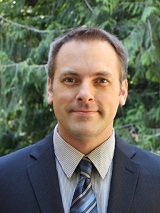
My primary areas of research include artificial intelligence, AI/machine ethics, behavioral health technologies, telemedicine, telehealth, forensic psychology, and military and Veteran population health. I’ve consulted widely on the topic of military and veteran health and technology in healthcare and have helped to develop national guidelines for telemental health, clinical best practices for technology-based treatments, and standards for human-AI interaction transparency. My vision is to build, and help others to build, technologies that help promote behavioral change and that improve the lives of people.
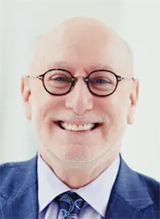
Dr. Michael Schrift is a Professor in the Department of Psychiatry and Behavioral Sciences at the University of Washington. He currently is an attending neuropsychiatrist at the Brain & Memory Center at Harborview Medical Center. He is he the director of the Behavioral Neurology/Neuropsychiatry Fellowship Training Program. He previously was the Division Director of Geriatric Psychiatry & Neuropsychiatry in the Department of Psychiatry and Behavioral Sciences at Northwestern University Feinberg School of Medicine in Chicago. He was also the director of the fellowship training program in Geriatric Psychiatry, co-director of the Clinical Neuroscience Fellowship program, and the director of the Neuromodulation Program and the Cancer Neuropsychiatry Program. He has many years of experience treating patients with Parkinson’s disease, Huntington’s disease, and Wilson’s, among other neuropsychiatric disorders. He also is an attending neuropsychiatrist in the Harborview Memory and Brain Wellness Clinic.
Dr. Schrift is the Book Review Editor for the Journal of Neuropsychiatry and Clinical Neurosciences.
He is board-certified in Psychiatry by the American Board of Psychiatry and Neurology as well as board certified in Behavioral Neurology and Neuropsychiatry by the United Council for Neurologic Subspecialties. He has training in Bioethics and serves on the ethics committee at Harborview Medical Center. Dr. Schrift is a fellow of the American Neuropsychiatric Association.
Personal Statement
My clinical service and research focuses on the interaction of mental and physical illness, especially in patients with chronic pain. Much of my research in recent decades has focused on the risks of treating chronic pain with opioids. I have developed educational programs and outcome tracking tools to assist with opioid treatment of chronic pain. I have published a book about patient empowerment in chronic disease care, The Patient as Agent of Health and Health Care (Oxford, 2017). I have another book written with Jane Ballantyne forthcoming, The Right to Pain Relief and other deep roots of the opioid epidemic (Oxford, 2022).

Personal Statement
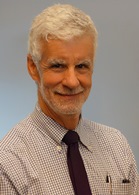
I am clinical psychologist and a Professor of Psychiatry and Pediatrics, and a clinical researcher specializing in ADHD throughout the lifespan. I direct the PEARL Clinic (Program to enhance attention, regulation, and learning) at Seattle Children’s. The PEARL Clinic is based on a multidisciplinary and collaborative care model which works closely with PCP’s who refer families to PEARL for evaluation and access to our behavioral group treatment programs and treatment recommendations. The PEARL clinic also provided multidisciplinary training for psychologists, psychiatrists, pediatricians, family medicine physicians, and medical students. The majority of my clinical work involves diagnostic evaluations and consultations for the parents, referring physician, and schools.
My research emphasis is on personalizing ADHD treatment, and determining how best to combine and sequence interventions throughout the lifespan for individuals with ADHD. I have assisted in the development of several stimulant and non stimulant medications, and participated in many clinical trials. Currently, we are conducting a study for parents with ADHD who have young children with ADHD symptoms where we are treating the parent with medication and behavioral parent training or behavior parent training. I am also investigating the relationship between genetic factors and ADHD treatment response.
Other areas of interest include sleep problems and overlap with ADHD, and novel treatments such as Trigeminal Nerve Stimulation (TNS) and augmentation strategies such as mindfulness and physical exercise or activity level.
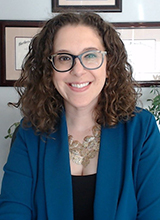
Thank you for your interest in learning more about me! My name is Dr. Ruth Varkovitzky (she/her) and I am a licensed clinical psychologist. I use a culturally sensitive evidence based approach in my clinical work; combining the best science while tailoring therapy to each individual. In the spirit of providing the highest quality of care possible, I am board certified in Behavioral and Cognitive Psychology by the American Board of Professional Psychology.
I specialize in providing therapy for trauma and sleep disorders, such as PTSD and insomnia. In addition, I offer a variety of treatments to address problems with depression, anxiety, and OCD. Supporting folks with these challenges is my passion; it’s an honor to work alongside my clients and see them heal and grow.
Public service has always been part of my journey, including collaboration with shelters for survivors of domestic violence, the Department of Veterans Affairs, the University of Washington Department of Psychiatry and Behavioral Sciences, and the Washington State Board of Psychologist Examiners. In addition to my passion for clinical work, I’ve enjoyed contributing to psychological science through academic and media publications. I established my private practice Renewal Psychology to offer my services to clients in Washington as well as the many state members of the Psychology Interjurisdictional Compact (PSYPACT).
I welcome being connected! Please reach out to me by email at: drruth@renewalpsych.com.